

Global buyers entering the US market in 2026 need more than a low ocean freight quote. They need predictable delivery, transparent duties, and dependable inland transport. US DDP Ocean Trucking connects ocean shipping with customs coordination, duty payment, and final-mile trucking. The service can move a container from Ningbo or Rotterdam to a warehouse in Chicago, Dallas, or Los Angeles. Every handoff matters.
UNCTAD’s Review of Maritime Transport 2024 reported that global maritime trade grew by about 2.4% in 2023. It also warned that geopolitical disruption, rerouting, and port congestion can increase voyage distances and operating costs. The World Trade Organization projected merchandise trade volume growth of 2.7% in 2024 and 3.0% in 2025. These figures suggest continued demand for integrated import solutions. However, demand alone does not guarantee service quality. Cargo visibility, chassis availability, port appointment control, and customs accuracy still separate strong providers from weak ones.
No ranking is perfect. A provider may offer excellent ocean rates but struggle with final delivery in rural areas. Another may provide fast communication but lack experience with oversized cartons or multi-state distribution. Buyers should compare transit estimates, tariff handling, insurance terms, delivery appointments, and proof of import compliance. The World Bank’s Logistics Performance Index 2023 highlights customs efficiency, infrastructure, tracking, and timeliness as key logistics performance factors. This article evaluates the 2026 best US DDP Ocean Trucking services through those practical measures. Real-world reliability matters more than polished sales language. Sometimes, a slower quote is safer.
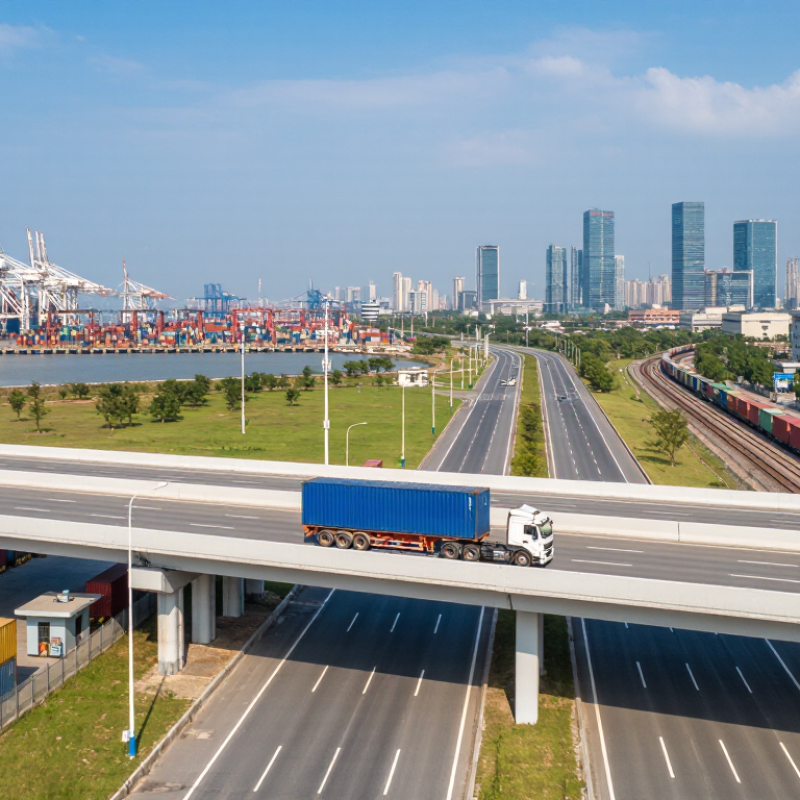
DDP means Delivered Duty Paid under ICC Incoterms 2020. The seller manages ocean transport, import clearance, duties, taxes, and final delivery. For a buyer, the quoted price should cover movement from the overseas warehouse to the receiving dock. It sounds simple. It is not.
A typical shipment may move from a factory to a container terminal, then to a US port, customs control, a transload facility, and a local trucking appointment. The seller must coordinate each handoff. A missed appointment can leave a container waiting, while storage and chassis charges continue. UNCTAD’s Review of Maritime Transport 2024 reports that maritime shipping carries over 80% of global merchandise trade by volume. Ocean capacity matters, but inland execution often decides delivery performance.
Reliable DDP planning requires accurate commercial invoices, product descriptions, tariff classifications, and consignee details. US Customs and Border Protection determines entry requirements, while Incoterms do not replace US customs law. Buyers should confirm who acts as importer of record and who bears examination costs. The World Bank’s 2023 Logistics Performance Index evaluates customs, infrastructure, and timeliness, showing why border processes deserve practical attention. Ask for milestone updates, proof of duty payment, port free-time terms, and a written plan for delays. One weakness remains common: “all-in” pricing may exclude residential delivery, storage, or unexpected inspections. Review the small print.
In 2026, DDP ocean trucking connects overseas suppliers with US buyers through one managed delivery chain. Under Incoterms 2020, the seller arranges transport, import clearance, duties, taxes, and delivery. The buyer receives cargo at the agreed destination. The process starts with commercial invoices, packing lists, product classifications, and verified delivery addresses. Ocean transport follows export clearance and container loading. UNCTAD’s Review of Maritime Transport 2024 reported 2.4% maritime trade growth in 2023, showing why shipment planning remains important.
At the US arrival port, the carrier or appointed broker submits entry documents to customs. Duties and import taxes must match the declared value and tariff classification. This step needs careful checking. A classification mistake can delay release or create unexpected costs. After clearance, the container moves by truck to a warehouse, distribution center, or final delivery address. Appointment rules, chassis availability, unloading space, and local driving restrictions can change the schedule. The World Bank’s 2023 Logistics Performance Index assessed 139 economies across six areas, including customs, infrastructure, tracking, and timeliness.
DDP quotations should separate ocean freight, terminal charges, customs costs, trucking, storage, and possible accessorial fees. Buyers should request milestone updates: booking confirmed, container loaded, vessel arrived, customs released, and truck dispatched. Real experience shows that estimated delivery dates are useful, but not perfect. Weather, port congestion, inspections, and incomplete documents can still disrupt the plan. A practical review should compare the promised destination with the exact unloading point. Small wording differences matter.
For global buyers, DDP ocean trucking links overseas pickup with controlled delivery inside the United States. The service begins with cargo collection, export documentation, and container planning at the origin. Experienced providers check commercial invoices, packing lists, and product classifications before booking space. Small errors matter. A wrong carton count can delay release or create unexpected charges. Cargo is then moved by ocean freight to a suitable US port, with shipment milestones shared through tracking updates.
At arrival, the DDP scope normally includes import customs clearance, duty payment, and eligible government fees on the buyer’s behalf. This requires accurate tariff classification and a clear transaction value. Licensed customs specialists review the entry, respond to requests, and keep records for audit needs. Taxes are not always predictable. Rates, exemptions, and agency requirements can change, so written quotations should state inclusions and exclusions. Insurance also needs attention; DDP responsibility does not automatically mean cargo insurance is included.
After clearance, drayage carries the container from the port to a transload facility or inland warehouse when needed. Workers may count cartons, inspect visible damage, and arrange palletized delivery. Final-mile trucking then delivers to the stated address, often with appointment scheduling and proof of delivery. Accessorial charges may arise from storage, chassis shortages, redelivery, or difficult receiving conditions. A reliable provider explains these risks before sailing and offers a practical contact path. Delivery forecasts can still move. Weather, congestion, and customs questions remain outside anyone’s full control.
A DDP ocean trucking provider must control more than the sea leg. Under Incoterms 2020, the seller generally handles import clearance, duties, taxes, and delivery. Ask who acts as importer of record. Confirm who pays storage, inspection, demurrage, and failed-delivery charges.
Use documented performance, not polished promises. UNCTAD’s Review of Maritime Transport 2024 states that ships carry over 80% of global merchandise trade by volume. A small port delay can therefore disrupt inventory quickly. Request the provider’s last 12 months of on-time delivery data, customs-release time, claim frequency, and exception records. Separate port-to-door timing from door-to-door timing. They are not identical.
The World Bank’s Logistics Performance Index 2023 gathered feedback from 4,090 logistics professionals across 139 economies. Its framework highlights customs, infrastructure, international shipments, logistics competence, tracking, and timeliness. Build your evaluation around these areas. Check whether shipment tracking shows container events, document status, duty payments, and final-mile appointments. Review a sample landed-cost statement line by line. Vague “all-inclusive” pricing deserves caution. Very low quotes may exclude chassis fees or destination handling. A scorecard is useful, but not perfect. Routes change, and forecasts fail. Keep a written escalation plan, named customs contacts, cargo insurance terms, and proof of tax payment. Test one shipment before committing larger volumes. That imperfect trial may reveal more than a sales presentation.
2026 Best US DDP Ocean Trucking Services for Global Buyers
DDP ocean trucking can simplify United States imports, but convenience does not remove risk. The seller usually manages ocean freight, customs entry, duties, taxes, and final trucking. Costs may change with fuel prices, port fees, chassis shortages, storage, and unexpected examinations. A low quote can become expensive when free time expires at the terminal.
Customs accuracy remains central. Commercial invoices should match packing lists, product descriptions, values, and country-of-origin details. Incorrect classification may cause delays, extra duties, or compliance reviews. Buyers should confirm who acts as importer of record and who keeps customs records. Delivery also depends on port congestion, weather, rail connections, and appointment availability. Even experienced operators miss a changing surcharge or misjudge holiday congestion. That deserves honest review.
Tips: Request a complete landed-cost sheet before booking. Ask whether duties, taxes, exams, demurrage, detention, and final-mile fees are included. Check the customs broker’s credentials and escalation process. Share product data early, including material composition and intended use. Use milestone tracking from vessel departure to terminal release and truck delivery. Keep a contingency budget for delays. A practical service should explain exceptions clearly, not promise an unrealistically fixed arrival date.
| Delivery Corridor | Typical US Gateway | Final-Mile Area | Estimated Port Drayage USD / 40-ft Container | Estimated Inland Trucking USD / 40-ft Container | Customs Entry & Compliance USD / Entry | Typical Port-to-Door Time | Main Delivery Risks | DDP Control Requirements |
|---|---|---|---|---|---|---|---|---|
| West Coast to Southern California | Los Angeles / Long Beach | Los Angeles, Inland Empire, San Diego | $450–$1,100 | $350–$1,200 | $150–$450 | 2–5 business days | Terminal congestion, appointment shortages, chassis availability, demurrage and detention | Pre-clearance, accurate container release, appointment booking, and free-time monitoring |
| West Coast to Pacific Northwest | Seattle / Tacoma | Seattle, Portland, Boise | $450–$1,050 | $400–$1,700 | $150–$450 | 2–6 business days | Mountain-route weather, rail or truck capacity limits, inland appointment delays | Weather contingency, route confirmation, and documented accessorial approval rules |
| West Coast to Midwest | Los Angeles / Long Beach | Chicago, Columbus, Indianapolis | $450–$1,100 | $2,000–$4,000 | $150–$450 | 5–10 business days | Long-distance capacity, winter weather, rail conversion delays, fuel surcharge changes | Confirmed line-haul capacity, cargo insurance, delivery appointment, and surcharge ceiling |
| East Coast to Northeast | New York / New Jersey | New York, New Jersey, Boston, Philadelphia | $500–$1,200 | $450–$1,700 | $150–$450 | 2–6 business days | Urban congestion, tolls, appointment restrictions, and terminal storage charges | Precise delivery-window planning, toll allocation, and same-day exception escalation |
| East Coast to Southeast | Savannah / Charleston | Atlanta, Charlotte, Nashville | $450–$1,100 | $500–$1,900 | $150–$450 | 2–6 business days | Port labor disruption, storm impacts, inland capacity fluctuations, and appointment delays | Storm-season contingency, alternate gateway planning, and delivery-slot confirmation |
| East Coast to Midwest | Norfolk / Baltimore | Chicago, Detroit, Cleveland | $450–$1,100 | $1,200–$3,000 | $150–$450 | 4–8 business days | Winter weather, road restrictions, equipment shortages, and long-haul fuel variation | Seasonal transit buffer, equipment confirmation, and transparent fuel-surcharge terms |
| Gulf Coast to Texas | Houston | Houston, Dallas–Fort Worth, San Antonio | $450–$1,100 | $350–$1,500 | $150–$450 | 2–6 business days | Hurricane disruption, flooding, congestion, and heat-related equipment issues | Emergency routing, weather monitoring, and pre-approved alternate delivery locations |
| Any US Gateway to Remote or Rural Delivery | Nearest suitable container port | Rural, limited-access, or non-commercial site | $500–$1,300 | $1,000–$4,500+ | $150–$600 | 4–12 business days | Limited chassis access, weight restrictions, unloading limitations, redelivery, and storage | Site survey, delivery-equipment confirmation, unloading responsibility, and accessorial pre-approval |


