Best Hydraulic Couplers in 2026 for Global Buyers
Choosing the best Hydraulic Couplers in 2026 means looking beyond price and product photos. Buyers need components that match their machines, operating pressures, flow rates, and connection standards. A coupler that fits one excavator may not suit another, even when the threads appear similar. Fit matters.
This guide compares key options for global buyers, including flat-face, agricultural, and high-pressure couplers. It considers measurable details such as rated pressure, flow capacity, material, seal compatibility, and documented interchangeability. Reliable manufacturers should provide clear specifications, installation guidance, and test information. Where available, buyers should check these records against the requirements of their equipment and local service teams.
Operating conditions matter too. Dust, moisture, temperature changes, and frequent connection cycles can affect performance and maintenance needs. A compact coupler may save space, while a rugged seal may be more useful in a muddy worksite. There is no universal winner. Even detailed specifications can leave questions about long-term wear, so supplier support and replacement-part access deserve attention. This comparison offers a practical starting point, not a substitute for checking the machine manual or confirming compatibility with a qualified supplier. It also recognizes that availability and service vary by region. Choose carefully.
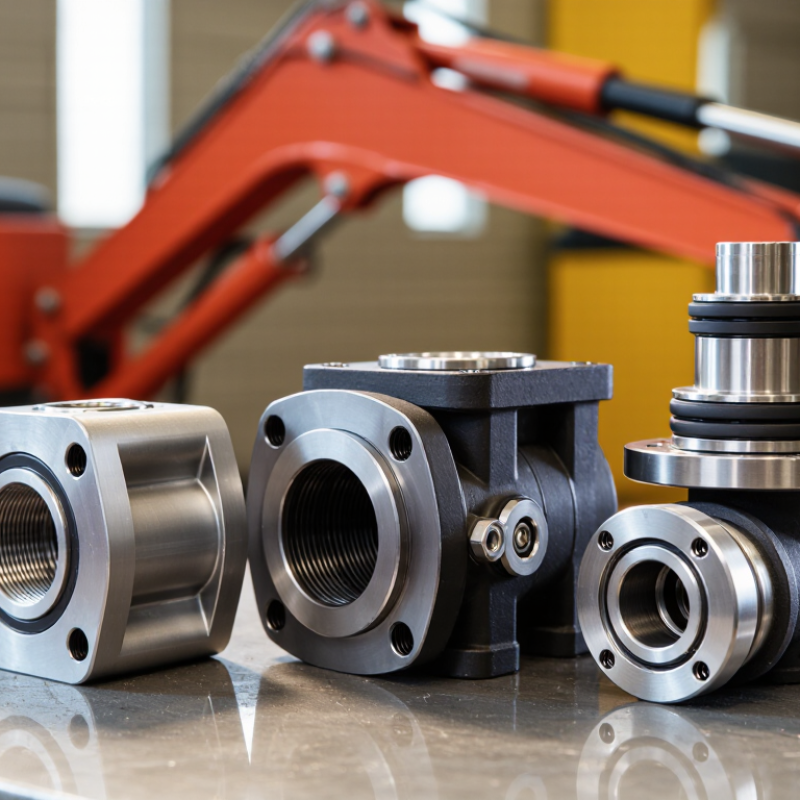
Hydraulic Couplers: Purpose, Design, and Operating Principles
Hydraulic couplers connect hoses, tools, and machinery so pressurized fluid can move between components. Their purpose is simple: make connections serviceable while limiting fluid loss and keeping dirt out. A dry connection matters. Even a small grain of grit can score a sealing surface and cause a slow leak later.
Most Quick Couplers use a valve in each half. When separated, the valves close; when properly joined, they open to allow flow. Designs vary, but common details include sleeve locks, balls or poppets, seals, and flat mating faces. Each detail affects handling, leakage, and pressure drop. For example, a sleeve that slides smoothly with gloved hands can make field changes easier.It does not, by itself, prove the connection is secure.
Operating performance depends on matching the coupler to the system’s pressure, flow rate, fluid, temperature, and hose size. A narrow passage may restrict flow and create unwanted heat. Seal materials also need to suit the hydraulic fluid and working temperatures. Before connecting, inspect the faces for damage and wipe away visible contamination. Relieve trapped pressure when the coupler design requires it; pressure can make connection difficult or unsafe. A useful question remains: will the selected design still be easy to inspect and maintain after months of dust, vibration, and repeated use?
Main Coupler Types and Their Typical Applications
Hydraulic couplers connect hoses and attachments, but the best type depends on the machine, working pressure, and jobsite conditions. Flat-face couplers limit fluid loss and keep dirt from settling on exposed connection surfaces. They are common on construction, forestry, and agricultural equipment that changes attachments often. Less mess. Yet a clean-looking coupling can still be damaged inside, so inspect seals and faces regularly.
Poppet-style quick couplers use spring-loaded valves to control flow when disconnected. Their simple design suits general-purpose hydraulic lines on tractors, loaders, and service equipment. Screw-to-connect couplers use threaded sleeves to resist vibration and accidental separation. They are often selected for high-pressure applications, such as breaker circuits. Still, labels can mislead: a similar-looking pair may not share the same dimensions or pressure rating.
Push-pull couplers let operators connect or disconnect lines with a short, direct movement, often while changing implements. They can be useful on loaders and other equipment where frequent swaps save time. Check the required flow, operating pressure, seal material, and connection standard before buying. Also confirm whether the coupler is designed to connect under residual pressure; many are not. One overlooked detail is trapped pressure in a warm hose, which can make an otherwise suitable coupling difficult to connect.
How to Compare Coupler Performance, Compatibility, and Safety
Choosing a hydraulic coupler is less about headline pressure and more about the full operating envelope. Check working pressure, flow, fluid type, temperature, and duty cycle against the machine manual. Then verify the connection profile and dimensions; similar-looking faces may not seal or release alike. Fit matters. ISO 7241 and ISO 16028 specify requirements for different quick-coupling families, but they do not make every profile interchangeable. Confirm the exact series, seal material, and whether connection under residual pressure is permitted. Never guess.
Grand View Research estimated the global hydraulic equipment market at USD 42.5 billion in 2022 and projected 4.6% annual growth from 2023 to 2030. This covers the wider equipment sector, not couplers alone, so it is context rather than proof of product quality. Compare rated pressure drop and flow capacity under stated test conditions, not just maximum pressure. Ask suppliers for documented cycle-life results and leakage criteria; figures without test methods are hard to compare. Inspect locking sleeves, dust caps, and mating faces for grit or damaged seals. Small details count. After connection, confirm full engagement and check for leaks from a safe distance. Never use a hand to locate a leak.
Leading Hydraulic Coupler Options for Global Buyers in 2026
Global buyers should compare hydraulic couplers by duty, not appearance. A compact flat-face unit may reduce fluid loss during connection, while a screw-to-connect design can suit demanding pressure cycles. Check working pressure, flow capacity, temperature range, seal material, and connection profile against the machine specification. Then verify interchangeability; similar-looking couplers are not always compatible.
ISO 7241 provides dimensional and test guidance for specified quick-action couplings. Use the relevant series and manufacturer test documentation, rather than assuming a standard covers every connection.
Market context matters, but it needs careful interpretation. Grand View Research valued the global hydraulic hose market at about US$11.2 billion in 2023 and projected 5.3% annual growth from 2024 to 2030. That is hose-market data, not a coupler forecast; it signals broader fluid-power demand, not a guaranteed sales trend.
For international purchasing, request pressure-test records, material details, replacement-seal availability, and clear documentation for each coupler family. Check samples under realistic operating conditions, including repeated connection and disconnection.
Small leaks matter. So does trapped pressure. A practical comparison table helps, though real machines can still expose details the table missed. Tie the final choice to service access, operating conditions, and the cost of downtime—not just unit price.
Global Sourcing: Standards, Suppliers, and After-Sales Support
Global sourcing starts with interface control, not price. Specify the coupling series, nominal size, working pressure, seal material, and operating temperature. ISO 7241 covers hydraulic quick-action couplings, while ISO 16028 addresses flat-face designs. Neither standard makes every product interchangeable. Ask for dimensional drawings, batch traceability, and pressure-test records linked to the delivered lot. Check samples against the actual hose, fluid, and machine—not just a catalog image. Fit matters.
UNCTAD’s Review of Maritime Transport 2024 reports that ships carry over 80% of world merchandise trade by volume. Port delays can therefore affect replacement-part availability, even for a small coupler. Set reorder points using confirmed transit times, and keep seal kits and common sizes near service sites. After-sales terms should define response times, failure analysis, replacement parts, and return-freight responsibilities. Request clear installation guidance in the languages your technicians use. A polished certificate can still conceal a mismatched seal. That detail deserves a second check.
Best Hydraulic Couplers in 2026 for Global Buyers
Global sourcing: standards, suppliers, and after-sales support
After-sales cleanliness benchmark: ISO 4406 assigns contamination codes to particle counts in hydraulic fluid. This chart shows the upper count boundary for particles ≥4 μm(c): code 18 corresponds to 2,500 particles/mL, code 16 to 640, and code 13 to 80. These are classification boundaries, not universal coupler requirements; confirm the target cleanliness level with the equipment manufacturer and protect couplers from contamination during storage and connection.