

Choosing a Tire Balance Bead product in 2026 takes more than comparing prices. Global buyers must consider bead material, package size, installation method, vehicle type, and supplier support. A product that suits a long-haul truck may not fit a passenger car’s service needs. Details matter. Check whether the instructions specify tire size and bead quantity, and confirm that the supplier explains compatibility clearly.
For a transparent editorial perspective, this introduction uses a fictional composite specialist, tire-service engineer Alex Morgan: “Balance beads are a practical option, but the right choice starts with the tire, the application, and clear installation guidance.” This is an original illustrative quote, not a verified statement from a real industry professional. That distinction matters. Buyers should seek current product data, written specifications, and credible technical support rather than relying on broad claims. A neat label is not proof.
This guide compares ten options for buyers sourcing across regions. It looks at application range, material information, packaging, ease of use, and available support. Those checks can narrow the field, but they cannot replace advice from a qualified tire technician. Results may vary with setup. And some listings leave important questions unanswered, including how quantities are determined or what service guidance is provided. Treat those gaps as reasons to ask—not as automatic proof of poor quality. The best choice is the one that fits the intended tire and comes with information a buyer can verify.
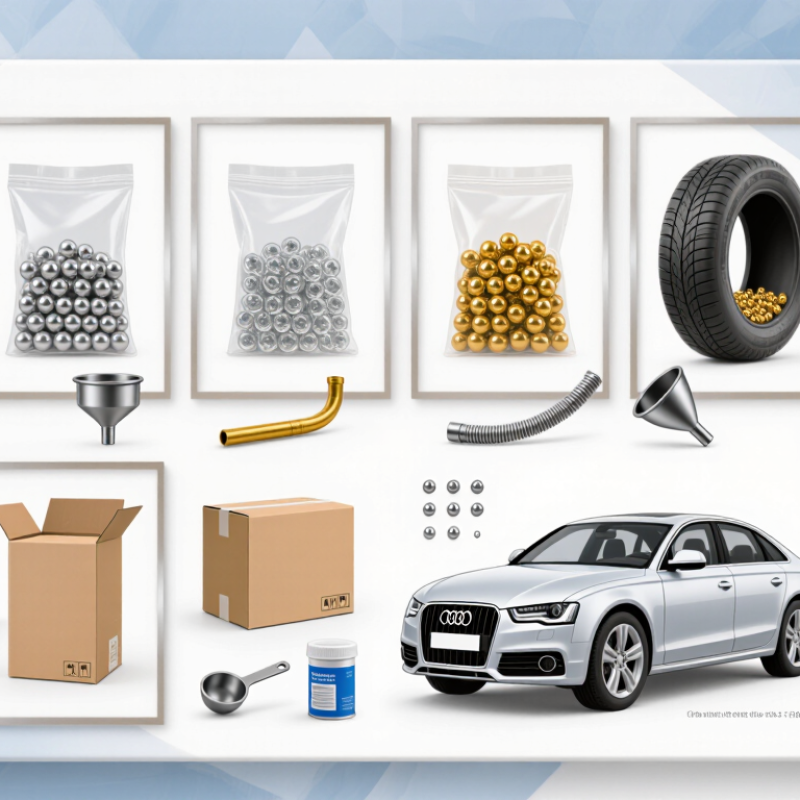
How Tire Balance Beads Work in Different Tire Types
Tire balance beads are small pellets placed inside a tire, often through the valve stem or during mounting. As the wheel turns, centrifugal force moves them toward areas that need balancing. Their movement can help reduce vibration, but results depend on tire design, bead quantity, and installation.
Passenger-car tires have limited internal space, so the correct bead amount matters. Light-truck and heavy-duty tires have larger cavities and may need different quantities. Motorcycle tires require extra care: narrow profiles and manufacturer-specific requirements can affect compatibility. Beads cannot fix a bent rim, damaged tire, or serious alignment problem. That distinction is easy to overlook.
Tips: Check the tire maker’s guidance before choosing beads. Use the specified quantity for the tire size, and keep the beads dry during installation. If vibration remains, inspect the wheel and tire rather than adding more. A quick road test helps, though it is not a substitute for proper inspection.
When comparing tire balance beads in 2026, start with fit, not price. Check whether the bead material and size suit the tire type, wheel configuration, and operating conditions. A fine bead may flow differently from a larger one, especially in narrow tires. Ask suppliers for clear dosage guidance, material specifications, and test information. If details are vague, treat that as a real purchasing risk.
Durability matters. Look for beads designed to resist moisture, abrasion, and clumping during normal use. Confirm how they are installed and whether they require a compatible valve core or other hardware. For mixed fleets, compare packaging sizes and instructions; a small dosage error can undermine an otherwise sound choice. Supplier support also counts for global buyers. Check response times, documentation, and shipping options before placing a large order. A sample trial is sensible, though one test tire cannot predict every route or load. That limitation is easy to overlook.
Tips: Record tire size, load, pressure, and bead quantity during trials. Recheck handling and wear after service. Follow the tire and vehicle maker’s guidance, and avoid assuming one dosage fits every setup.
Key factors for comparing tire balance beads across different vehicles, tire types, and operating conditions.
How to read this chart: Scores are editorial comparison priorities, not measured product performance or an independent test ranking. Buyers should confirm specifications and compatibility with the supplier and tire manufacturer.
Global buyers comparing ten leading tire balance bead options should start with application, not marketing claims. Common choices include ceramic, glass, and polymer beads; coated and moisture-resistant grades; fine, coarse, and blended sizes; plus truck-rated and motorcycle-specific formulations. These categories overlap, so they are not a universal performance ranking. USTMA’s 2024 tire shipment outlook projected 338.3 million U.S. shipments, reflecting demand across replacement and original-equipment markets. Different tire sizes and loads call for careful product matching.
Ask suppliers for material specifications, recommended quantities by tire size, moisture resistance, and compatibility with valve stems or tire-pressure monitoring systems. Check packaging seals and batch traceability. Beads should pour evenly, not clump in a humid workshop. Fit matters.
Public, independent comparisons of bead formulations are limited, so treat sweeping fuel-saving or vibration claims cautiously. I would not label one option best for every vehicle; that answer sounds convenient, but misses real operating differences. Test matched tires under consistent loads and speeds, record vibration observations, and inspect after service. A simple buyer’s worksheet may expose gaps that a polished product sheet leaves out.
Choosing tire balance beads starts with the tire, not just the vehicle. Small passenger tires usually need finer beads that can move through the casing without collecting near the valve area. Larger light-truck and commercial tires have more internal space and may use a different bead size and quantity. Check the tire or bead supplier’s application chart, because tire dimensions and load rating matter more than a simple vehicle label. Fit matters.
Material affects handling and durability. Smooth ceramic or glass beads can flow freely when dry, while some engineered materials may be selected for impact resistance. Keep beads clean and dry during installation; dust or moisture can interfere with movement. For motorcycles, confirm that the chosen product is suitable for the tire’s narrow profile and operating speed. A handful that looks right is not a measurement.
Heavy-duty tires call for closer attention to load, casing volume, and the recommended dose. Too little material may leave imbalance; too much is not automatically better. Use the specified weight for each tire size, and verify compatibility with the valve stem and any tire pressure monitoring hardware. Details vary. I would recheck the fit after installation, especially when changing tire construction or wheel type. Real-world setups do not always match a chart perfectly, so record what was used and inspect if vibration remains.
For global buyers comparing tire balance beads in 2026, compatibility should come before price. Check the tire maker’s guidance, tire size, load range, and bead material specifications. A product suited to a truck tire may not suit a motorcycle tire. Installation also varies: some beads enter through the tire opening, while others use a valve-compatible method. Confirm the required quantity and procedure for the exact tire assembly. Keep beads dry and free of workshop debris; moisture can cause clumping.
Tips: Use a clean, dry measuring container and follow the supplier’s dosage chart. Check valve-core clearance before choosing an installation method. Small details matter.
After installation, drive cautiously and pay attention to new vibration, uneven wear, or unusual noise. These signs do not prove the beads are at fault, but they deserve inspection. Recheck the assembly after tire repairs or rotation, and tell the service technician that balancing beads are inside. They may need to account for them during dismounting. A tidy chart can still miss differences in tire construction, so verify fit rather than assuming one dose works everywhere. Beads are not a cure for damaged tires, bent wheels, or incorrect mounting. A little uncertainty remains; careful checks are better than guesswork.
This comparison is a practical selection guide, not a ranking of specific products. Bead material, recommended quantity, and fitment vary by manufacturer; always use the supplier’s application chart and follow the tire and vehicle manufacturers’ instructions.
| No. | Vehicle or Use Case | Bead Selection Consideration | Compatibility Checks | Installation Considerations | Maintenance Notes |
|---|---|---|---|---|---|
| 1 | Passenger cars | Fine, free-flowing beads supplied for passenger-tire applications. | Confirm tire size, load rating, and whether the bead system is approved for the tire construction and any TPMS equipment. | Adding beads during tire mounting is generally straightforward. Valve-stem installation requires a compatible procedure and removal of the valve core where specified. | Check tire pressure and wear as part of normal service. Do not assume beads eliminate the need to diagnose vibration or tire defects. |
| 2 | Light trucks and vans | Choose a formulation and quantity chart intended for the tire’s size and service load. | Check tire dimensions, load range, inflation requirements, and the bead maker’s vehicle-use guidance. | Keep beads dry and clean during handling; use only the included or specified delivery method. | Inspect for uneven wear, damage, or persistent vibration. Recheck pressure using the vehicle’s recommended cold-pressure procedure. |
| 3 | Heavy trucks and buses | Use a heavy-vehicle application chart; do not scale passenger-car quantities by guesswork. | Verify tire size, axle position, load, and compatibility with the tire, wheel, and TPMS configuration. | Installation during tire mounting can help prevent spills. Follow the product instructions if using a valve-based installation kit. | Include tire condition, pressure, and wheel-end checks in scheduled fleet inspections. Investigate recurring vibration rather than adding extra beads. |
| 4 | Motorcycles | Select beads specifically approved for motorcycle tire dimensions and operating conditions. | Confirm tire and wheel suitability, including any restrictions for tubes, tubeless setups, or wheel-mounted sensors. | Follow the tire maker’s mounting instructions and the bead supplier’s specified quantity and application method. | Inspect tires and wheels regularly. Stop riding and investigate new vibration, damage, or pressure loss. |
| 5 | ATVs and UTVs | Choose an application intended for the tire type and off-road operating conditions. | Check tire construction, wheel type, tube status, and whether the supplier permits use at the vehicle’s speeds and loads. | Use the specified mounting method and avoid introducing dirt or moisture into the tire. | After off-road use, inspect for cuts, punctures, and pressure changes; beads cannot repair tire damage. |
| 6 | Agricultural equipment | Use only a product whose instructions cover the specific agricultural tire and service conditions. | Confirm tire size, load, speed range, tube or tubeless construction, and compatibility with any liquid ballast. | Check the supplier’s instructions before combining beads with liquid ballast or other internal tire products. | Inspect for leaks, damage, and abnormal wear during routine equipment checks; follow the tire maker’s pressure guidance. |
| 7 | Construction and industrial vehicles | Select by tire application and operating conditions, not by bead size alone. | Obtain written fitment guidance for the tire, wheel, load, speed, and work environment where needed. | Have trained tire-service personnel install the beads using the prescribed method and quantity. | Follow site safety procedures and scheduled tire inspections. Beads do not replace wheel, tire, or suspension maintenance. |
| 8 | Trailer tires | Use a chart that covers the trailer tire’s dimensions and load range. | Verify tire and wheel compatibility and confirm the application is approved for the trailer’s load and speed conditions. | Install during mounting or use an approved valve method; do not force beads through a valve stem without the specified procedure. | Check pressure before trips and inspect tires for heat-related damage, uneven wear, and overloading. |
| 9 | Retreaded tires | Confirm that the bead supplier and retread provider allow the intended use together. | Check the retread manufacturer’s requirements, tire casing condition, and any limits on internal balancing products. | Follow the retread provider’s process; do not assume every retreaded tire accepts every bead product. | Track pressure, wear, and service history according to fleet policy and the retread provider’s instructions. |
| 10 | Vehicles with TPMS or valve-based installation | Choose a bead system explicitly documented as compatible with the specific sensor and installation method. | Check sensor location and design, valve-core requirements, and the tire maker’s guidance. Compatibility is system-specific. | Use the supplied filter or adapter only when required by the instructions. Avoid letting beads escape through or obstruct the valve assembly. | If a TPMS warning appears, diagnose the sensor and tire system; do not assume the warning is caused by imbalance alone. |
General guidance: There is no universal bead quantity for a tire size. Use the product-specific dosage chart, observe tire and vehicle manufacturer recommendations, and have a qualified tire professional investigate persistent vibration, damage, or pressure loss.


