


China Top 10 Corrosion Resistant Metal Cable Gland Suppliers
Selecting a Corrosion-Resistant Metal Cable Gland involves more than comparing prices or product photographs. In coastal plants, damp tunnels, and outdoor control cabinets, salt, water, and cleaning chemicals can gradually damage exposed fittings. A gland may look sturdy on a screen, yet its performance depends on material, finish, sealing design, and installation. Small details matter. Stainless steel, brass, and protective coatings each suit different conditions, and none is ideal for every site. Thread compatibility and cable diameter also affect how securely the gland fits. A poor match can leave moisture paths around an otherwise well-made enclosure.
This guide introduces ten China-based suppliers for buyers seeking metal cable glands designed for corrosive environments. It considers practical factors such as product range, material options, manufacturing information, technical support, and the clarity of published specifications. These points can help narrow a search, but they do not replace sample testing or direct checks with a supplier. Ask for current datasheets and confirm the intended environment, enclosure requirements, and cable dimensions before ordering. A ranking cannot capture every project need. Even a careful comparison has gaps; supplier information changes, and some claims require independent verification. That is worth remembering. The most suitable supplier is not always the one with the broadest catalog, but the one whose documented product details match the actual installation.
What Are Corrosion-Resistant Metal Cable Glands?
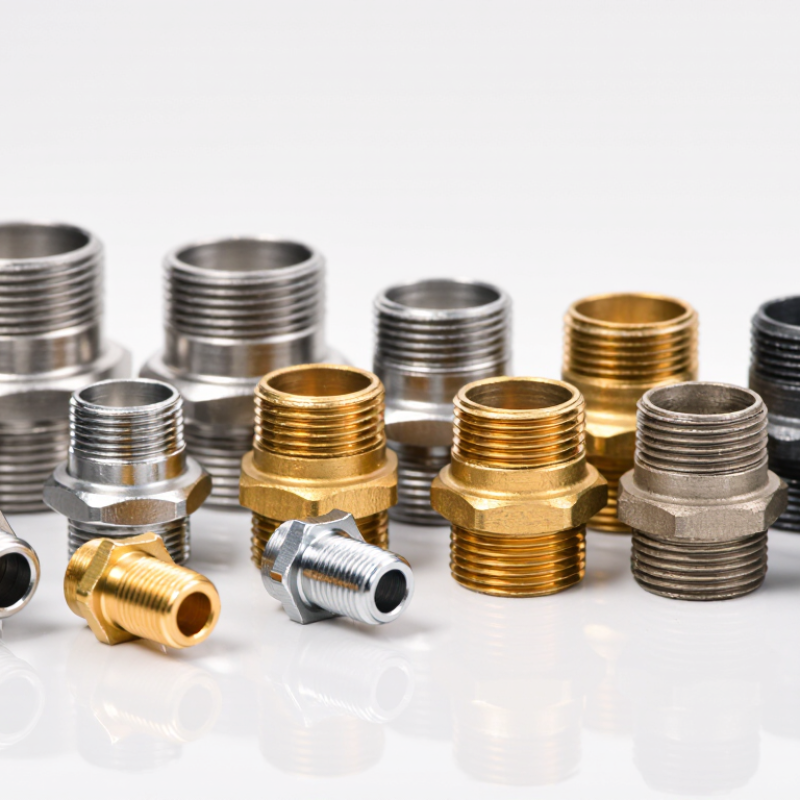
A corrosion-resistant metal cable gland is a fitting that secures a cable where it enters an enclosure. Its body grips the cable, while internal seals help limit the entry of water, dust, and corrosive substances. The metal construction also supports strain relief and helps protect conductors from sharp edges. Not corrosion-proof. Resistance depends on the material, surface finish, exposure, and maintenance.
Common options include stainless steel and nickel-plated brass. Stainless steel can suit wet or coastal settings, while plated brass may work well in less aggressive environments. Neither material is right for every installation. Salt spray, cleaning chemicals, temperature changes, and contact with dissimilar metals can affect service life. Check that the gland, enclosure, and cable jacket are compatible.
A practical choice starts with the actual conditions: cable diameter, enclosure entry size, exposure, and required ingress protection. Ratings apply only when the gland is correctly selected and installed; a damaged seal can undermine a suitable product. Keep threads clean, tighten to the supplier’s specified torque, and inspect seals for cuts or flattening. Small details matter. One easy-to-miss point is galvanic corrosion: different metals touching in a damp environment may accelerate deterioration. The term “corrosion-resistant” is useful, but it should prompt a closer look at the whole installation.
China Top 10 Corrosion Resistant Metal Cable Gland Suppliers - What Are Corrosion-Resistant Metal Cable Glands?
Material comparison for selecting corrosion-resistant metal cable glands. Suitability depends on the specific chemical, concentration, temperature, exposure time, cable type, and installation conditions.
| No. | Gland Body Material | Relative Corrosion Suitability | Typical Environments | Key Selection Consideration |
|---|---|---|---|---|
| 1 | 316L Stainless Steel | High in many industrial and outdoor settings | Coastal facilities, food-processing areas, and chemical plants where the chemical exposure is compatible | Low-carbon 316L is commonly selected for welded or fabricated parts. It is not immune to chloride pitting or crevice corrosion. |
| 2 | 316 Stainless Steel | High in many general corrosive environments | Marine-adjacent installations, industrial equipment, and washdown areas | Generally offers better resistance to chloride-related corrosion than 304 stainless steel, but performance depends on chloride concentration, temperature, and crevice conditions. |
| 3 | 304 Stainless Steel | Moderate; suitable for many non-chloride environments | Indoor industrial installations and general-purpose outdoor equipment | Often a practical option where exposure is mild. It is more vulnerable than 316 stainless steel to pitting in chloride-containing environments. |
| 4 | Duplex Stainless Steel 2205 | High for many chloride-containing environments | Offshore equipment, marine installations, and process facilities | Combines high strength with improved resistance to chloride stress-corrosion cracking and pitting compared with common austenitic grades; it is not suitable for every chemical service. |
| 5 | Super Duplex Stainless Steel 2507 | Very high in demanding chloride service, subject to conditions | Seawater systems and demanding offshore or chemical-process applications | Offers high strength and strong resistance to localized corrosion, but requires application-specific material verification and appropriate fabrication. |
| 6 | 904L Stainless Steel | High in selected acidic and chloride-containing services | Chemical processing and equipment exposed to certain acidic solutions | Its performance varies substantially with acid type, concentration, and temperature; confirm compatibility using chemical-resistance data. |
| 7 | Nickel-Copper Alloy (UNS N04400) | High in many seawater and marine applications | Marine equipment and selected chemical-processing environments | Can perform well in seawater and some alkaline or reducing conditions. Verify compatibility for oxidizing chemicals and the exact service conditions. |
| 8 | Nickel-Plated Brass | Moderate, depending on plating quality and exposure | General industrial installations and environments with limited corrosive exposure | Corrosion protection depends on continuous, intact plating. Damage, wear, or incompatible chemicals can expose the underlying brass. |
| 9 | Brass | Low to moderate in many corrosive environments | Indoor applications and installations with relatively mild exposure | Check for ammonia exposure, dezincification risk, and galvanic compatibility with connected metalwork before use. |
| 10 | Anodized Aluminum Alloy | Moderate where the anodized surface remains intact | Lightweight equipment and outdoor installations with compatible exposure | Anodizing improves surface protection, but scratches, chemical attack, and contact with dissimilar metals can affect service life. |
A corrosion-resistant metal cable gland is a cable-entry fitting made with a metal selected to withstand a specified environment. Corrosion resistance is only one selection factor: also check cable diameter, thread type, sealing material, temperature range, electrical requirements, and the required ingress-protection rating. IP ratings apply to the complete installed assembly and are not determined by the gland material alone.