China Top Steel Slotted Manufacturers for Global Buyers
China has become a major sourcing base for Steel Slotted products used in shelving, storage systems, workbenches, and industrial frameworks. Global buyers often compare Chinese manufacturers for production capacity, customization, material quality, and export experience. Yet factory websites rarely tell the complete story.
This guide introduces leading China Steel Slotted manufacturers for international procurement teams. It focuses on practical factors, including steel thickness, slot accuracy, surface treatment, load testing, packaging, and order communication. A reliable supplier should provide clear drawings, material certificates, inspection records, and realistic production schedules. Factory visits, video audits, and third-party inspections can reveal details that brochures may hide. Look closely.
Experienced buyers know that the lowest quotation is not always the best commercial choice. A cheaper profile may use thinner steel, weaker coatings, or less consistent punching. These differences can appear during installation, when slots fail to align or beams require force. That creates additional labor and delays. Some manufacturers may also describe their export experience too broadly. This deserves verification.
The companies discussed here are assessed from a buyer’s perspective, combining manufacturing capability with service reliability. Their product ranges, quality controls, customization options, certifications, and logistics support deserve careful comparison. Still, no supplier is perfect. Even a well-organized factory can face material delays, communication gaps, or occasional quality variation. Buyers should request samples and confirm every technical detail in writing.
For global purchasers, the right partnership depends on more than factory size. It requires transparent evidence, consistent engineering, and dependable follow-through. This overview aims to make that evaluation clearer, more practical, and easier to trust.
Steel Slotted Products: Definition, Types, and Industrial Uses
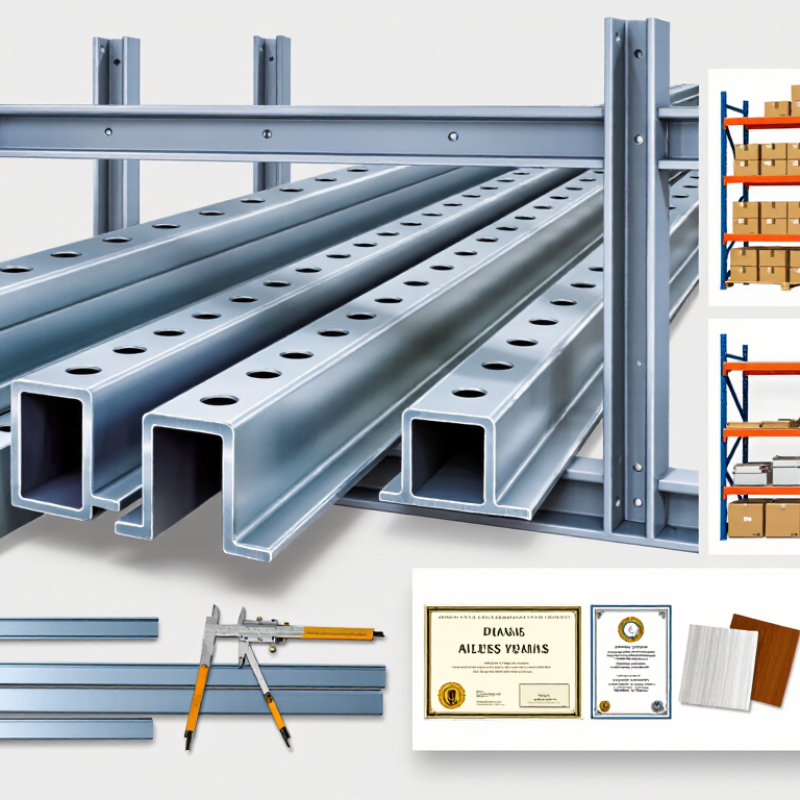
Steel slotted products are steel components with repeated openings along their length or surface. These slots support adjustable connections without extensive drilling or welding. They are commonly made from carbon steel, galvanized steel, or powder-coated steel. Slot size, spacing, thickness, and surface finish directly affect performance.
Typical types include slotted angles, strut channels, perforated panels, and adjustable shelving parts. Slotted angles suit frames, workbenches, storage racks, and light machine guards. Strut channels support pipes, cable trays, lighting, and ventilation equipment. Perforated panels organize hand tools beside production lines. Shelving components help warehouses change storage heights as inventory changes. They are practical, but not automatically suitable for heavy loads.
In industrial use, engineers should check load ratings, connection methods, corrosion exposure, and dimensional tolerances. A galvanized surface often performs well in humid indoor areas, while aggressive environments require closer material review. I have seen small slot mismatches delay assembly and increase labor costs. That detail is easy to overlook. Buyers should request drawings, material certificates, coating information, and test records from qualified manufacturers. Samples also reveal rough edges, uneven punching, and weak finishing better than photographs. Some designs look efficient on paper, yet become difficult to install when access is limited.
Why China Is a Leading Source of Steel Slotted Products
China is a leading source of steel slotted products because its manufacturing base combines scale, material access, and flexible fabrication. World Steel Association data shows China produced about 1.005 billion tonnes of crude steel in 2024, over half of global output. This large supply network supports slotted angles, channels, rails, and storage components in varied sizes.
Manufacturers can usually work with galvanized, pre-painted, or cold-rolled steel. Buyers may request slot spacing, thickness, hole shape, and surface treatment before production. In practical inspections, these details matter. A clean slot edge reduces fitting problems. Consistent coating thickness helps protect parts in humid warehouses. Many factories also support cutting, punching, bundling, and export packing from one production line.
Scale is helpful, but it is not everything. The OECD’s steel market analysis continues to highlight global capacity pressure and uneven demand. A low quotation may hide thinner material, weaker packaging, or unstable tolerances. Buyers should compare mill certificates, inspection records, sample measurements, and loading photographs. That takes time. It prevents expensive surprises.
China’s logistics infrastructure also supports global purchasing. The World Bank’s Logistics Performance Index 2023 placed China among the stronger logistics performers worldwide, although port delays and documentation errors still occur. Experienced buyers often approve a physical sample first, then confirm tolerances in the purchase contract. This simple step is easy to skip. It should not be.
China produced approximately 1,019.1 million metric tons of crude steel in 2023, far exceeding other major steel-producing economies. This large industrial base supports the supply of downstream products such as steel slotted channels, slotted angles, brackets, and related fabricated components for global buyers.
Source: World Steel Association, World Steel in Figures 2024. Figures represent crude steel production in 2023.
How to Identify Top Chinese Steel Slotted Manufacturers
How to Identify Top Chinese Steel Slotted Manufacturers
A reliable supplier should prove production ability, not merely display attractive catalog images. The World Steel Association reported 1,019.1 million tonnes of crude steel production in China in 2023. This scale supports strong material access, but it does not guarantee consistent slotted products. Ask for factory records, monthly capacity, equipment lists, and recent export references. Small details matter.
Request a material certificate showing grade, thickness, chemical composition, and batch number. For galvanized products, verify coating data against the agreed specification, such as EN 10346 or ASTM A653. Check slot pitch with calipers, inspect punched edges, and review load-test reports using your required span and fixing method. A serious manufacturer should explain tolerances clearly. Vague answers are warning signs. The ISO Survey 2023 recorded more than 1.26 million ISO 9001 certificates worldwide, so certification can support credibility, but it is not proof of product quality.
Independent inspection remains useful before shipment. Inspectors can compare random samples against drawings, measure coating thickness, and confirm packing protection around sharp slots. I would also compare three quotations carefully. The cheapest offer may hide thinner steel, weaker packaging, or unreported tooling changes. A factory video helps, but live verification is stronger. My own preference is a paid pilot order with clear acceptance criteria. Even then, mistakes happen. Supplier audits need repeating.
Quality Standards, Customization, and Production Capabilities
Global buyers evaluating steel slotted manufacturers should examine documented quality systems, not attractive catalogs. Experienced suppliers usually control coil sourcing, slitting, roll forming, punching, and surface treatment. Ask for material certificates, dimensional reports, coating records, and batch traceability. Small details matter. Slot width, hole spacing, and edge condition can affect assembly speed and load performance. Reliable factories also test tensile strength, coating thickness, and corrosion resistance under defined procedures.
Customization begins with the application, not a standard drawing. Buyers may need different lengths, slot patterns, steel grades, gauges, or finishes. A technically capable manufacturer checks tolerances before accepting the order. This prevents expensive adjustments later. Request prototype samples, approved drawings, and a clear change-control process. Production capability should include tooling design, automated forming lines, inventory planning, and stable welding or cutting capacity. Ask how the factory handles repeat orders. Can it reproduce the same hole position after six months? That question reveals more than a sales promise.
Site visits, process audits, and sample testing provide useful evidence. Still, documents can become outdated, and even strong factories experience occasional variation. A transparent supplier explains corrective actions instead of hiding defects. That honesty matters. Compare inspection results across batches, confirm packaging protection, and define acceptance criteria in writing. The best partnership combines engineering discussion with measurable production discipline. Buyers should keep reviewing performance, because past quality does not guarantee future consistency.
Shipping, Pricing, and Supplier Evaluation for Global Buyers
For global buyers, China’s steel slotted manufacturers should be judged by landed cost, not factory price. The World Steel Association reported 1.882 billion tonnes of crude steel production in 2023. That scale supports competitive material sourcing, but price movement remains serious. Request a 30-day quotation validity period. Separate steel, punching, galvanizing, packaging, inland transport, insurance, and ocean freight charges. A low ex-works price can become expensive after delivery.
Shipping needs practical checking. UNCTAD’s Review of Maritime Transport 2024 reported maritime trade growth of 2.4% in 2023, following a 1.2% contraction in 2022. Capacity and route conditions still affect freight quotes. Ask for two shipping options, such as direct service and transshipment. Confirm port, container type, loading date, and free storage days. I would also inspect carton strength and bundle weight. One damaged corner can bend slotted steel during unloading. This detail is often ignored.
Supplier evaluation should combine documents with physical evidence. Request mill certificates, dimensional tolerances, coating thickness records, and recent third-party inspection reports. Compare slot spacing, hole burrs, straightness, and load capacity against approved drawings. A video call cannot replace random sampling. The supplier should explain corrective actions when samples fail. Some buyers focus too heavily on certificates. That is a weakness. Certificates may be valid, yet production consistency can still vary between batches. The World Steel Association’s 2024 outlook also highlighted uneven demand conditions, so flexible ordering and staged inspections deserve attention._久久爱