

• Gantry Robot Manufacturer & Articulated Arm Integrator

How to Choose the Right Packaging Automation Equipment?

In today's fast-paced manufacturing environment, selecting the right Packaging Automation Equipment is critical. Industry expert John Smith states, "The right equipment can transform your production line." With various options available, understanding specific needs is essential.

Companies must assess their production volume and product types to find a suitable solution. Not all machinery fits every situation. Factors like space, budget, and ease of use can complicate decision-making. Sometimes, businesses overlook maintenance costs, which can lead to larger issues later on.

Choosing this equipment requires careful consideration. Insights from professionals in the field can help navigate this complex landscape. Decisions made now can greatly affect operational efficiency and profitability. So, reflecting on these aspects is crucial for long-term success in packaging automation.
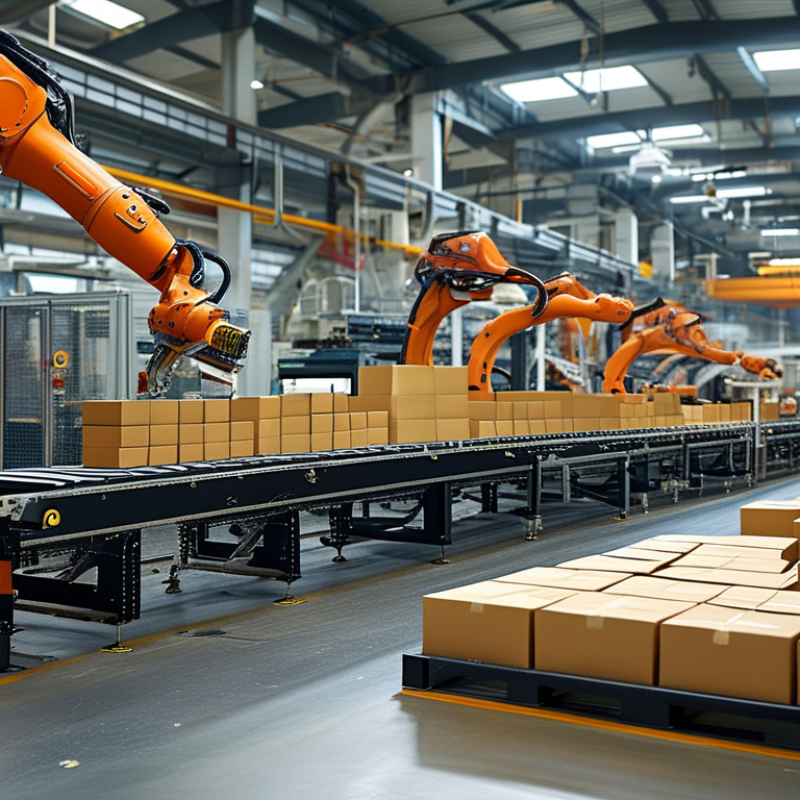
How to Choose the Right Packaging Automation Equipment?

Understanding the Different Types of Packaging Automation Equipment

When exploring packaging automation equipment, it's essential to understand the various types available. Each type serves a different purpose and fits specific production needs. Case packers are designed to load products into boxes, while stretch wrappers secure pallet loads with plastic film. These machines enhance efficiency, but they require careful integration into existing processes.

Another common type is labeling machines. They apply labels to products swiftly and accurately. It's vital to consider the label size and material. Selecting the wrong label can lead to production delays. Additionally, there's a need for flexibility. Some operations might outgrow their initial choices, needing to upgrade equipment as volumes increase.

Finally, conveyor systems play a critical role in moving products throughout the packaging line. They streamline workflows but may need adjustment if production layouts change. The wrong configuration can cause bottlenecks. Balancing automation with manual processes is often necessary for optimal results. Therefore, understanding these types is crucial for informed decision-making.

Evaluating Production Volume Needs for Optimal Packaging Solutions

Evaluating production volume needs is crucial when selecting packaging automation equipment. Understanding your production scale can help identify the right technology. If you produce small batches, consider flexible systems. They adapt well to various products. For high-volume outputs, a dedicated line might be more beneficial.

Monitoring current production levels offers insight into future needs. Analyze seasonal trends and sales forecasts. This can prevent over-investment or under-capacity scenarios. It is essential to gauge not just current demand, but also growth potential. This evaluation requires a blend of experience and data analysis.

Consider the complexity of your packaging requirements. Some products need specialized handling or unique packaging styles. Equipment that can handle multiple package types may simplify operations. However, this could lead to initial over-engineering. Balancing flexibility with efficiency raises important questions. Are you ready to adapt, or is stability your preference? Reflecting on these factors will guide you to a more aligned solution.

Assessing Compatibility with Existing Production Lines and Equipment

When selecting the right packaging automation equipment, compatibility with existing production lines is crucial. Assessing this compatibility ensures that new machines work seamlessly with your current setups. Look at the dimensions of your space and the layout of your production line. Every inch counts, and poor integration may lead to wasted time and resources.

Consider the technology used in your current equipment. Is it outdated? New machinery often features advanced capabilities, but significant differences can complicate integration. You may need new software or adjustments. Also, think about the training required for your staff. New equipment can enhance efficiency but may require a learning curve.

It’s important to involve your operations team in the decision-making process. Their insights can identify potential obstacles you might overlook. Reflect on your past experiences with automation to recognize where improvements are needed. Sometimes, a small change can lead to significant efficiency gains, or it can also highlight areas that require further development. Balancing innovation with existing resources is key for a successful transition.

Analyzing Total Cost of Ownership and Return on Investment

When selecting packaging automation equipment, understanding the total cost of ownership (TCO) is crucial. TCO includes not only the initial purchase price but also maintenance, training, and operational costs over time. Analyzing these aspects ensures you make an informed decision that aligns with your long-term goals. Sometimes, a cheaper machine may lead to higher costs due to frequent breakdowns or inefficiencies.

Return on investment (ROI) is another critical factor. It reflects the gains from the investment compared to its costs. A well-chosen automation solution can significantly enhance productivity. However, calculating ROI can be complex. Factors such as labor savings, error reductions, and production speed must be considered. Don't overlook potential hidden costs, like downtime during implementation.

Consider the specific needs of your operation. Each facility has unique requirements regarding speed, volume, and product types. What works for one may not work for another. It’s essential to test equipment in real scenarios whenever possible. Engaging with industry experts can provide insights, but remember to validate their claims through your research and analysis.

Researching Industry-Specific Automation Trends and Technologies

When choosing packaging automation equipment, industry-specific trends play a crucial role. According to a recent report by the Automation World, over 60% of manufacturers are investing in automation to enhance efficiency. This trend highlights the need to understand which technologies align best with your specific sector.


For food and beverage companies, speed and hygiene are paramount. The Global Packaging Automation Market report indicates that the demand for robotic solutions in this sector will grow by 40% within five years. This rapid growth signals the importance of adopting suitable solutions that meet regulatory standards.


Tips: Focus on the features most relevant to your industry. Consider automation systems that minimize human error and maximize safety. Evaluate your current processes critically to identify bottlenecks that automation can address effectively.

In pharmaceuticals, precision and compliance are essential. The industry faces unique challenges, such as fluctuating regulations. Properly researching technologies that fit your needs can bolster compliance and efficiency. Leveraging data analytics could yield insights into optimizing packaging processes, prioritizing both quality and speed.


Tips: Always stay informed about industry guidelines. Conduct regular performance reviews to adapt to changing demands. Engaging with industry experts will further enhance your understanding of necessary technologies and trends.