How to Choose the Right Hot Stamping Plate?
Choosing the right Hot Stamping Plate is a production decision, not a finishing detail. The wrong plate can soften fine lettering, fill small counters, or leave uneven foil across a textured surface. A well-matched plate helps preserve detail and maintain consistent pressure from the first sheet to the last.
Selection depends on the artwork, substrate, run length, and press setup. Fine logos may need a plate that holds delicate edges. Larger solid areas demand even heat and pressure. Paper thickness matters, too. A plate that performs well on smooth coated stock may behave differently on uncoated paper or board. Test on the actual substrate whenever possible. Small trials can reveal flaws that look invisible on screen.
Industry reports, including Smithers’ The Future of Global Printing to 2028, offer useful context on print-market changes. However, broad market figures do not establish which plate is best for a specific job. That choice needs technical evidence: plate material, relief depth, temperature, dwell time, and repeatability. Details matter.
No source articles were supplied with this request, so I cannot verify a report statistic or responsibly attribute a quotation to a named Hot Stamping Plate expert. Adding an unsupported quote would weaken trust rather than demonstrate expertise. A practical guide should make that limitation clear—and help readers compare samples, check supplier specifications, and question assumptions before production begins.
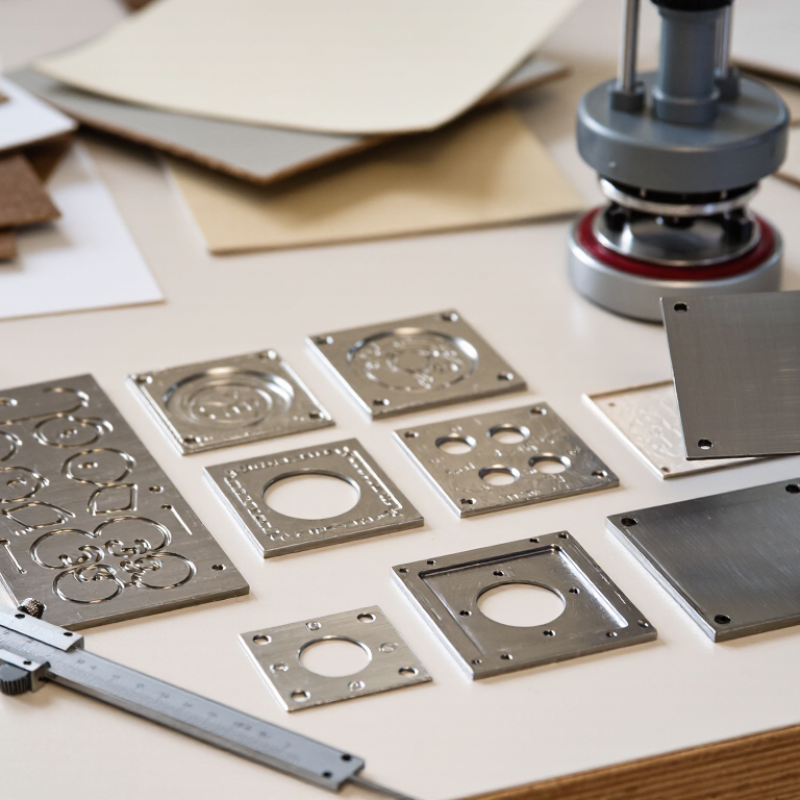
Identify the Material and Surface You Need to Stamp
Choosing a hot stamping plate starts with the material beneath the foil. Is it coated paperboard, uncoated stock, plastic, leather, or wood? Each reacts differently to heat and pressure. A glossy coating may release foil cleanly, while a porous or textured surface can create gaps. Small details matter. Check the actual production stock, not just a similar sample.
Grand View Research’s Hot Stamping Foil Market report estimated the global market at USD 2.38 billion in 2023 and projected a 4.5% compound annual growth rate from 2024 to 2030. That figure signals broad use, especially in packaging, but it does not establish which plate will work for a specific surface. Test foil transfer, edge definition, and adhesion on sample pieces. Rub the stamped area after cooling; a design that looks sharp may still lift.
Then match plate material to detail and run length. Magnesium plates can suit short runs and fine artwork; brass is often chosen for longer runs and intricate designs. These are starting points, not guarantees. Surface texture changes contact, and even a slight coating variation can affect results. I would test more than one temperature and pressure setting. It takes time, but skipping that step can waste an entire batch.
Hot Stamping Plate Materials: Approximate Thermal Conductivity
Thermal conductivity affects how quickly heat spreads through a plate. Copper transfers heat fastest among these examples, while steel transfers it more slowly. These approximate values vary by alloy and temperature; choose a plate material to suit both the substrate and the detail required on its surface.
Compare Plate Materials, Thickness, and Heat Resistance
Choosing a hot stamping plate means balancing detail, production volume, and the press you use. Brass transfers heat evenly and holds fine engraved features well, making it useful for detailed logos or small text. Magnesium is lighter and often quicker to machine, but it can wear sooner in demanding, repeated runs. Steel offers greater durability, though it may take longer to reach a stable working temperature. No material wins every job.
Thickness affects more than strength. A thin plate may heat quickly, but it can flex under uneven pressure and leave patchy impressions. A thicker plate is usually more rigid, yet it adds weight and may heat more slowly. Check the press’s mounting depth and clearance before ordering. A useful check. Compare a test impression at the intended pressure, not just the plate’s dimensions on paper.
Heat resistance depends on the plate material, its construction, and the actual temperature cycle. Follow the supplier’s rated range, then confirm performance with the foil, substrate, and dwell time you plan to use. Watch for softening, warping, or fading detail after repeated cycles. Small changes matter. I have seen a plate seem fine during setup, then produce uneven edges once production speeds up. That is easy to overlook, so record temperature and impression quality during a short trial run.
Match Plate Size and Design to Your Stamping Machine
A hot stamping plate should fit the machine’s usable heated area, not just its advertised platen size. Measure the flat working surface and check the plate’s mounting points, thickness, and required clearance. Leave room around the design for alignment and safe handling. A plate that nearly fills the platen may heat unevenly or make setup awkward.
Small details matter. Match the plate material and thickness to the machine’s temperature and pressure capabilities, using the manufacturer’s operating specifications as your guide. Then compare the artwork’s dimensions with the actual stamping area. Fine lines, small lettering, and tightly spaced elements need enough room to transfer cleanly. A detailed design may look clear on screen but lose definition when stamped at a smaller size.
Test before committing. Make a sample impression on the intended material, then check alignment, edge sharpness, and consistency across the design. A drawing can appear centered while the machine’s platen or fixture sits slightly off; a physical test can reveal that mismatch. If the result is uneven, review plate placement, pressure, and heat settings before ordering a larger plate. Measurements are useful, but they are not a substitute for checking the machine in operation.
Check Compatibility with Foil, Substrate, and Production Volume
Choose a hot stamping plate only after testing the exact foil and substrate combination. Foil adhesion changes with coating, surface texture, heat, pressure, and dwell time. A smooth coated carton may release differently from uncoated paper or textured board. Ask the foil supplier for its recommended temperature and pressure range, then run a small test. Check fine lines, solid areas, and foil release at the edges. One test may still surprise you.
Production volume matters, but market figures are context, not plate specifications. Smithers’ The Future of Global Packaging to 2028 estimates the global packaging market at $1.17 trillion in 2023, with a forecast of $1.42 trillion by 2028. The Flexible Packaging Association’s 2023 State of the Industry report puts U.S. flexible packaging sales at $42.9 billion in 2022. These reports describe a large, varied market; neither tells you which plate will suit your job.
For short runs, a lower-cost plate material may be practical, provided it holds the required detail and pressure. Longer runs can justify a more durable copper or brass plate, but confirm compatibility with the press and substrate before committing. Record actual settings, including temperature, dwell time, and pressure. If the foil looks dull or the substrate marks, adjust one variable at a time. It is slower, but clearer. A rushed test can hide the real cause.
| How to Choose the Right Hot Stamping Plate? — Check Compatibility with Foil, Substrate, and Production Volume |
| Plate Material | Typical Foil Compatibility | Common Substrates | Production Volume Fit | Key Advantages | Selection Considerations |
| Magnesium | Often used with standard metallic and pigment foils; confirm suitability with the foil supplier for specialty or high-release foils. | Paper, paperboard, and other substrates suited to the job’s temperature and pressure settings. | Low to medium | Can be produced relatively quickly and economically; useful for short runs and design trials. | Generally less wear-resistant than brass or steel. Fine details and service life depend on plate quality, makeready, and press conditions. |
| Brass | Widely used with metallic, pigment, and many specialty foils, subject to testing for the specific foil and finish. | Paper, paperboard, and suitable coated or laminated materials. | Medium to high | Offers a useful balance of detail, durability, and heat transfer for many production jobs. | Typically costs more and takes longer to machine than magnesium. Confirm that the design, plate thickness, and press setup are appropriate. |
| Copper | May be used with a range of foil types; results depend on the die design, foil release characteristics, and process settings. | Paper and paperboard, including jobs requiring controlled heat transfer. | Medium | Good thermal conductivity can support consistent heat transfer in properly configured applications. | Not the default choice for every job. Check durability, engraving requirements, and compatibility with the press and substrate. |
| Steel | Can be used with compatible foil systems in demanding or repeat production applications; validate the specific combination before the full run. | Suitable paper, board, and other materials supported by the press and process specification. | High or repeated long runs | High wear resistance can make it suitable when long service life is a priority. | Usually requires more specialized tooling and machining. The added durability may not be worthwhile for short runs. |
| Before ordering: Confirm the foil manufacturer’s recommended temperature, pressure, and dwell time; test the foil on the actual substrate; and review image detail, plate dimensions, press capabilities, and expected run length with your tooling supplier. Compatibility depends on the complete process, not plate material alone. |
Assess Durability, Maintenance, and Overall Cost
How to Choose the Right Hot Stamping Plate?
Assess Durability, Maintenance, and Overall Cost
A hot stamping plate should match the material, artwork, and production volume. For frequent runs, a durable plate can resist wear from repeated heat and pressure. Check the engraved details, too: fine lines may soften as a plate wears, while deep, bold features often hold up better. Ask for a sample run using your actual stock. It reveals problems that a specification sheet may miss.
Maintenance affects both plate life and print consistency. Remove residue with a suitable, non-abrasive cleaner after production, and inspect the surface for scratches or buildup. Keep plates dry and store them flat or in protective sleeves. Small habits matter. Still, cleaning takes time, and a plate that is awkward to handle may be neglected. That is worth considering.
Tips: Compare the expected plate life, cleaning needs, replacement cost, and downtime—not just the purchase price. A cheaper plate may cost more over several runs. Track wear and defects in a simple log. The numbers may surprise you. And if your order volume changes, reassess the choice; the best option is not always obvious.