How to Choose the Best Textile Lamination Machine?
Choosing the best Textile Lamination Machine can influence product quality, production speed, and long-term operating costs. A suitable machine should match your fabric type, coating material, roll width, and expected output. In real production environments, operators often examine the finished fabric under bright inspection lights. They look for bubbles, uneven bonding, wrinkles, and weak edges. Small defects can create expensive waste.
The buying process should begin with clear production requirements. Measure fabric thickness, roll diameter, working width, and daily capacity. Consider heating accuracy, pressure control, cooling performance, and tension stability. These details affect how smoothly different textile layers combine. A machine that performs well with thin fabric may struggle with heavy technical textiles. That assumption can fail.
This guide explains how to compare machine structures, control systems, energy use, maintenance access, and supplier support. Experienced buyers should request test runs using their actual materials. Watch the operator adjust temperature, pressure, and line speed. Ask how quickly the machine reaches stable production conditions. Also inspect cleaning points, emergency controls, spare parts, and training arrangements. These practical checks often reveal more than a polished brochure.
No machine is perfect. Even reliable equipment needs skilled operation and regular maintenance. A lower purchase price may become costly when downtime, waste, or difficult repairs increase. The strongest choice balances performance, safety, serviceability, and verified results. It should support consistent production, not merely impressive specifications. Careful comparison creates a more dependable investment.
What Is a Textile Lamination Machine and How Does It Work?
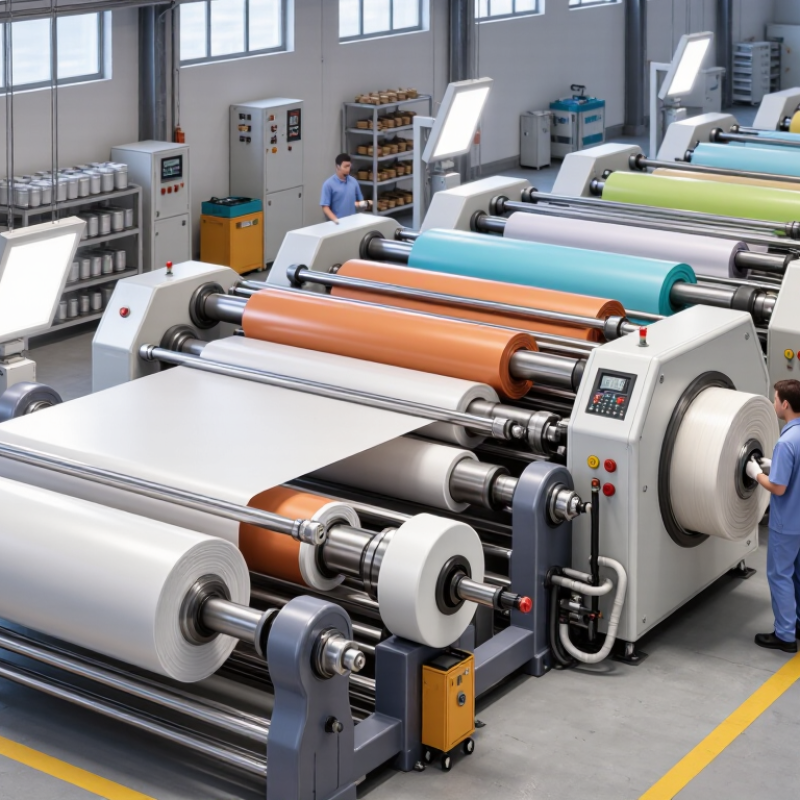
A textile lamination machine bonds two or more material layers into one flexible structure. Common combinations include fabric, foam, film, membrane, and adhesive web. The machine uses controlled heat, pressure, and speed to create a stable bond without destroying the textile surface.
In operation, unwinding rollers feed each layer at a steady tension. An adhesive layer may melt between heated rollers, while pressure closes small gaps between materials. Cooling rollers then help the bond set before the laminated textile is rewound. Temperature, pressure, and line speed must work together. Too much heat can shrink fabric or damage coatings. Too little heat may cause peeling after washing. I have found that tension deserves equal attention, although it is often overlooked. Uneven tension can produce wrinkles, edge curling, or inconsistent width.
Choosing the best textile lamination machine starts with the materials and finished use. A laboratory sample may need a compact, adjustable unit, while continuous production requires stronger unwinding and winding systems. Check the working width, heating range, pressure control, speed range, and cleaning access. Ask for test results using your actual fabric, not a similar sample. Inspect bond strength after stretching, washing, and temperature changes. No machine is perfect. Operators may still need to adjust settings during humid weather or when fabric lots change. Reliable technical support, clear operating instructions, guarding, and documented quality checks also matter. A lower purchase price can become expensive when waste, downtime, and rework increase.
Which Textile Materials and Lamination Methods Fit Your Production Needs?
Choosing a textile lamination machine starts with the fabric, not the machine. Woven polyester needs controlled tension and even heat. Knitted fabrics need gentler handling because they stretch and recover. For waterproof garments, TPU or PU films usually offer flexible bonding and a soft hand. PVC can provide strong barrier performance, but it may feel heavier and less breathable.
Material demand is changing quickly. Textile Exchange’s Materials Market Report 2024 states that global fiber production reached about 124 million tonnes in 2023. It could approach 160 million tonnes by 2030. This growth increases pressure to reduce waste and improve process control. Hot-melt film lamination suits clean, precise bonding with limited adhesive spread. Reactive adhesive lamination may fit multilayer fabrics requiring stronger durability. Flame lamination can work with suitable foam structures, but uneven flame exposure may damage delicate surfaces.
Test small rolls first. Always.
A practical trial should measure peel strength, coating weight, shrinkage, breathability, and wash durability. ASTM and ISO textile testing methods can support comparable results. I would not select a high-speed line only because its output looks impressive. A slower machine may produce fewer rejects on elastic fabric. That difference matters. The World Bank’s What a Waste 2.0 report links manufacturing efficiency with lower material losses, although it does not evaluate textile lamination directly. This limitation deserves attention. Production teams should compare energy use, changeover time, solvent requirements, and actual first-pass yield before choosing the final lamination method.
What Features Affect Bonding Quality, Energy Use, and Maintenance?
Choosing a textile lamination machine requires more than comparing production speed. Bonding quality depends on steady temperature, accurate pressure, and controlled dwell time. These settings must match the fabric, film, adhesive, and line speed. A narrow temperature range can prevent weak edges, bubbles, or fabric distortion. Adjustable nip rollers also matter, especially when materials have different thicknesses.
Watch the heating system closely. Independent heating zones can reduce uneven bonding across wide fabrics. Good insulation lowers heat loss and supports more stable energy use. Automatic standby modes can save power during pauses, but they should restart without damaging adhesive performance. Energy meters are useful during trials. A machine may appear efficient while consuming excessive power during warm-up.
Maintenance features affect production reliability. Choose accessible rollers, removable covers, and clear cleaning points. Adhesive residue often gathers near the nip area. Small deposits can create pressure marks within hours. Sensors should provide readable alarms, not vague error codes. Keep records of temperature drift, roller wear, and cleaning intervals. These details help technicians find recurring faults.
Do not trust a showroom test alone. Request trials with your actual textile structure and adhesive system. Check peel strength after cooling, washing, and repeated handling. The fastest setting may not deliver the strongest bond. Sometimes, slower production gives better consistency. That trade-off is easy to underestimate. A machine with excellent specifications can still disappoint when operators lack training or maintenance time.
How to Evaluate Safety, Total Cost, and Supplier Support Before Buying
How to Choose the Best Textile Lamination Machine?
How to Evaluate Safety, Total Cost, and Supplier Support Before Buying
Safety should be checked on the machine, not promised in a brochure. Inspect guards around rollers, emergency stops, heat insulation, and clear warning labels. Ask for documented risk assessments, test records, and compliance documents suitable for your operating region. During a trial, observe the nip point, threading process, and operator visibility. A hot roller can look harmless from a distance.
Purchase price is only one part of the budget. Calculate electricity, adhesive or film consumption, compressed air, cleaning materials, spare rollers, and planned maintenance. Include training and production losses during setup. A machine that laminates 500 meters per hour may still cost more if it creates frequent wrinkles or requires long warm-up periods. I would not trust a spreadsheet using perfect uptime. Real factories rarely perform perfectly.
Supplier support deserves the same attention as technical specifications. Request installation guidance, operating manuals, preventive maintenance schedules, and a clear warranty process. Ask how quickly technicians respond and whether common spare parts are locally available. Speak with current users, if possible, and ask about unresolved problems, not only success stories. A sample run should test your actual fabric, adhesive, speed, and tension settings. Small details matter, such as whether the supplier records your settings after commissioning. Cheap support can become expensive downtime.
How to Choose the Best Textile Lamination Machine?
Evaluation priorities for safety, total cost of ownership, and supplier support before buying
This buyer scorecard uses a transparent 100-point weighting model: total cost of ownership receives the highest weight because energy, maintenance, spare parts, labor, and downtime can substantially affect long-term production cost. Safety focuses on documented risk assessment, guarding, emergency stops, and electrical compliance. Supplier support covers installation, operator training, response time, documentation, and spare-parts availability.