


How to Choose an SMT Assembly Manufacturer?
Choosing an Smt Assembly manufacturer is not simply a matter of comparing unit prices. The decision can affect product quality, delivery reliability, and the effort required to resolve defects. A low quote may exclude tooling, inspection, or prototype support, so compare what each proposal actually covers. A capable partner should explain its process in clear terms, from component sourcing and feeder setup to solder-paste inspection and final testing. Ask how engineering changes are recorded and how nonconforming boards are handled. Look for practical evidence, not just confident claims. Small details matter. These checks offer a useful starting point, but they cannot predict every production challenge.
A practical evaluation includes reviewing certifications, relevant product experience, equipment, and quality records. Request examples of inspection reports or traceability documents, with sensitive customer information removed. For example, ask whether automated optical inspection is used and how operators respond when it flags a solder joint. Clarify minimum order quantities, lead times, communication channels, and support for design changes. A polished presentation is not proof of consistent performance. No checklist catches everything. If possible, begin with a prototype or pilot run, then compare delivered boards with the agreed specifications. Notice how quickly the manufacturer answers specific questions, not only sales inquiries. The right choice depends on your board’s complexity, volume, budget, and risk tolerance. Some trade-offs remain, and it is worth revisiting assumptions before committing to long-term production. This guide outlines the questions that can help you make a more informed, evidence-based decision.
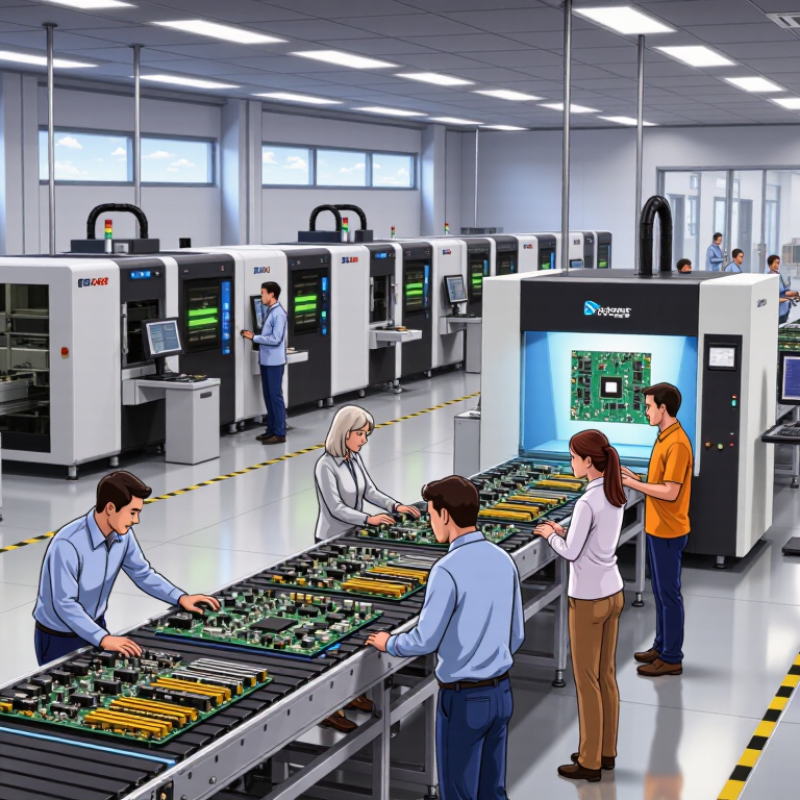
Define Your SMT Assembly Requirements and Production Scope
Define the product before you evaluate an SMT assembly manufacturer. Record board dimensions, layer count, copper thickness, expected annual volume, and monthly peaks. List package types, including fine-pitch QFNs, BGAs, and small passives. Include the prototype quantity and expected transition to repeat production. Small details matter. They affect stencil design, feeder setup, inspection, and line changeovers. World Semiconductor Trade Statistics’ Spring 2024 forecast projected global semiconductor sales of $611.2 billion in 2024, up 16% from 2023. That forecast signals a large, changing component market, not guaranteed availability for your parts. Confirm sourcing assumptions and approved alternatives directly with each candidate manufacturer.
Then define what “complete assembly” means for your program. Specify whether the supplier handles component procurement, solder-paste printing, placement, reflow, inspection, programming, and final testing. State measurable expectations: first-pass yield, traceability fields, defect reporting, and delivery windows. Share sample files and a representative bill of materials; a spreadsheet alone can hide package and lifecycle risks. Ask about equipment limits, such as maximum board size and smallest supported component. Also discuss test fixtures and how engineering changes will be controlled. Your first volume estimate may be wrong. That is normal, but document the assumptions and request pricing at more than one volume level.
How to Choose an SMT Assembly Manufacturer? - Define Your SMT Assembly Requirements and Production Scope
Use this planning table to describe your project clearly and compare prospective assembly providers against the same requirements. Examples are planning references; confirm process limits and acceptance criteria for your specific product.
| Requirement Dimension | Details to Define | Example Requirement or Range | What to Confirm with the Manufacturer |
|---|---|---|---|
| Product and assembly scope | Specify whether you need PCB assembly only or a broader service that includes PCB fabrication, component sourcing, programming, enclosure assembly, or final testing. | Turnkey assembly with component procurement and board-level testing. | Which operations are performed in-house, which are subcontracted, and who manages the handoffs? |
| Production stage and volume | Identify prototype, engineering validation, pilot, or repeat production; provide expected order quantity and annual demand. | Prototype lot of 10–50 boards, followed by a pilot lot and forecasted monthly releases. | Can the provider support the required lot sizes, production changes, and capacity ramp without compromising traceability? |
| Board and panel specifications | Document board dimensions, layer count, thickness, panelization, surface finish, and any unusual materials or design constraints. | Four-layer FR-4 board, approximately 1.6 mm thick; panel details supplied in the fabrication data. | Are the board dimensions, panel design, fiducials, tooling holes, and solder-mask details compatible with the assembly process? |
| Component and package mix | List package types, smallest components, fine-pitch devices, through-hole parts, connectors, and any parts requiring special handling. | Mixed assembly with common chip components, fine-pitch ICs, and a small number of through-hole connectors. | What package and pitch limits can the process reliably support, and what placement or inspection evidence is available? |
| Assembly technology | State whether the design uses surface-mount technology (SMT), through-hole technology (THT), or a combination, and identify both board sides requiring assembly. | Double-sided SMT with selective through-hole soldering on one side. | Can the provider support the required reflow, wave, selective, or hand-soldering operations and sequence? |
| Bill of materials and sourcing | Provide part numbers, manufacturer part numbers where applicable, quantities, approved alternatives, lifecycle constraints, and customer-supplied parts. | Complete BOM with approved alternates identified; critical parts require prior approval before substitution. | How are component authenticity, lot traceability, shortages, substitutions, and obsolete or long-lead-time parts managed? |
| Quality and acceptance criteria | Define workmanship requirements, inspection criteria, defect handling, and any product-specific acceptance requirements. | Acceptance criteria documented before production; workmanship assessed against the agreed standard and product class. | Which workmanship standard and revision will apply, and how are nonconformances, rework, and customer approvals documented? |
| Inspection and testing | Choose the required inspection and test methods, such as automated optical inspection (AOI), X-ray inspection, in-circuit testing, or functional testing. | AOI for assembled boards, X-ray for selected hidden solder joints, and a customer-provided functional test procedure. | Which tests are available, what test fixtures or programs are needed, and what reports or test records will be delivered? |
| Process controls and traceability | Define the level of material, process, and finished-board traceability needed, including serial numbers and record-retention expectations. | Lot-level component and production records, with serial-number tracking for finished boards. | Can production records link materials, process history, inspection results, and rework to each lot or serial number? |
| Special handling and environment | Identify moisture-sensitive devices, electrostatic-discharge precautions, cleanliness needs, conformal coating, or other handling requirements. | Moisture-sensitive components handled according to their labeling and applicable handling procedures; ESD controls required. | What storage, floor-life, bake, ESD, cleaning, coating, and environmental controls are available and documented? |
| Schedule and logistics | Provide target dates, delivery location, shipping method, packaging needs, and whether production will be released in multiple batches. | Prototype delivery requested by a defined date, with repeat orders released in scheduled lots. | What is the quoted lead time, what assumptions affect it, and how are schedule changes or material delays communicated? |
| Engineering data and change control | Prepare the Gerber or ODB++ data, BOM, assembly drawings, pick-and-place files, test instructions, and revision information. | All files carry matching revision identifiers; changes are issued through a documented approval process. | Which file formats are accepted, how are discrepancies resolved, and how are revisions controlled between builds? |
| Commercial and service expectations | Clarify quotation scope, tooling or setup charges, minimum order quantities, warranty terms, payment terms, and post-delivery support. | Itemized quotation covering setup, assembly, sourcing, inspection, testing, and shipping as separate scope items where applicable. | Are exclusions, one-time charges, rework terms, warranty coverage, and support responsibilities stated in writing? |
Tip: Share the same controlled design files and written acceptance criteria with every provider you evaluate so quotations and capabilities can be compared consistently.