How to Implement Pick and Place Automation in Your Manufacturing Process?
The manufacturing landscape is rapidly evolving, driven by the need for efficiency and precision. Pick and place automation has emerged as a crucial solution. According to a report by ResearchAndMarkets, the global pick and place robotics market is expected to reach $4.6 billion by 2026. This growth highlights the importance of integrating automation in manufacturing processes.
Many businesses are adopting pick and place automation to enhance productivity and reduce labor costs. The flexibility of these systems allows manufacturers to adapt to changing demands. Moreover, automation decreases the occurrence of errors and boosts overall product quality. However, some companies struggle with implementation. They face challenges such as high initial investments and the need for skilled personnel.
Successful implementation requires thorough planning and understanding of specific needs. Each manufacturing environment is unique, and a one-size-fits-all approach may not work. Businesses must conduct a detailed analysis to identify the best solutions. As the industry continues to embrace advancements, companies should reflect on their automation strategies and remain open to adjustments.
Understanding Pick and Place Automation: An Overview
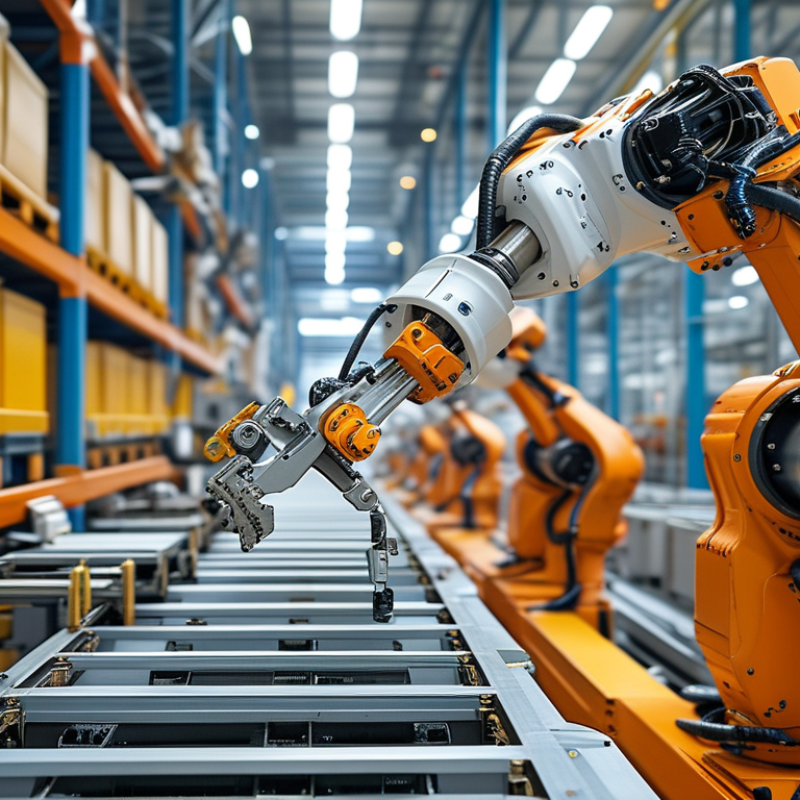
Pick and place automation is reshaping modern manufacturing. This technology enhances efficiency and accuracy while reducing human error. According to a report by MarketsandMarkets, the global pick and place automation market is projected to reach $6.89 billion by 2026, growing at a CAGR of 10.8%. This indicates a significant shift in how manufacturers approach production lines.
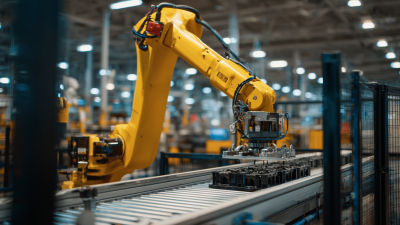
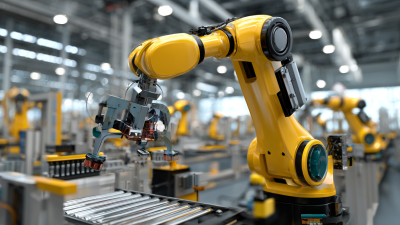
Understanding the mechanics behind pick and place automation is crucial. Robots equipped with specialized grippers can handle various items. They are programmed to pick products from one location and accurately place them at another. Companies benefit from increased speed and precision. However, initial setup costs can be high, and not all systems are user-friendly. Training staff to operate these systems can take time and resources.
Implementing automation requires careful planning. Identifying the right products for automation is essential. Not everything benefits from this technology. Erratic product shapes or sizes can create challenges. Ongoing maintenance is also necessary. Organizations should consider potential downtime during adjustments. A thorough evaluation enhances the likelihood of seamless integration into existing workflows.
Pick and Place Automation in Manufacturing
This chart illustrates the potential impact of implementing pick and place automation in manufacturing processes. Key metrics such as efficiency improvement, reduction in labor costs, error rate decrease, and production speed increase are presented, showcasing the benefits of automation.
Assessing Your Manufacturing Needs for Automation Integration
Automation integration in manufacturing is not a one-size-fits-all approach. Each facility has unique demands that influence the choice of automation systems. Start by evaluating your current processes. Identify repetitive tasks where automation could enhance efficiency. This may include assembly, packaging, or material handling. Focus on areas with high error rates and labor costs. The goal is to streamline operations while maintaining quality.
Engaging your team in this assessment is vital. Their insights can highlight pain points that management might overlook. Consider the workspace layout too. A well-planned design will support effective automation solutions. Understand the limitations of existing equipment as well. Some machines may require substantial upgrades, while others might be perfectly suited for automation with minor adjustments. Be prepared to pivot your strategy as you learn more about your needs.
It's essential to foresee challenges during this integration. Resistance to change from staff can occur. Training programs will be necessary for a smooth transition. Misaligning technology with your manufacturing goals can lead to frustration. Ongoing evaluation will help in refining the automation process. Be open to iterating on your solutions as you receive feedback. This adaptability will enhance the effectiveness of your automation journey.
Selecting the Right Equipment and Technology for Pick and Place
Implementing pick and place automation in manufacturing requires careful consideration of equipment and technology. According to a recent report by the International Federation of Robotics, over 73% of manufacturers report enhanced efficiency with automation solutions. However, not every piece of technology fits all environments. Identifying the right technology begins with understanding specific manufacturing needs and workflows.
Cobots, or collaborative robots, are becoming increasingly popular. They can work alongside human staff and adapt to different tasks. A study from McKinsey highlights that implementing such robots can increase productivity by 30%. However, many companies struggle with integrating these machines. Staff training and proper configuration are often overlooked. Without these, even the best technology can fall short in effectiveness.
It’s essential to evaluate various factors before choosing technology. Factors like weight capacity, precision, and speed of operation are crucial. The wrong choice can lead to wasted resources and inefficiencies. A company may need to rethink its equipment selection if downtime increases post-implementation. Always prioritize reliable options, but keep in mind that perfection does not exist in any system. Being open to adjustments is vital for long-term success.
Designing a Workflow for Effective Pick and Place Operations
Designing an effective workflow for pick and place operations is crucial in manufacturing. An estimated 25% of production costs come from manual handling. With automation, companies can reduce these costs significantly. Incorporating robotic systems into the workflow can enhance speed and precision, leading to improved overall productivity. Many businesses witness a 20-30% increase in output after automation.
It's essential to assess the layout of your workspace. A clear pathway for robots can minimize downtime and ensure smooth operation. Workers should have defined roles that complement automated systems. Training staff to understand these workflows is key, as human oversight remains critical. Studies show that companies with well-defined processes see a 15% decrease in errors.
Flexibility in workflow design is also vital. Consumer demands can shift rapidly. Systems need to adapt without extensive downtime. Regular reviews of the operations allow for adjustments based on performance metrics. Organizations must be willing to refine processes continuously. Embracing this iterative improvement reflects a commitment to innovation and efficiency.
Training Staff and Implementing Changes in the Production Line
Implementing pick and place automation in manufacturing involves more than just technology. Staff training plays a crucial role in this process. The staff should understand how automated systems function. Regular training sessions can help them adapt to new equipment and processes. Knowledgeable workers can troubleshoot issues efficiently. This hands-on understanding reduces downtime and improves productivity.
Adapting to automation may create reluctance among some employees. They might fear job displacement or feel overwhelmed by new tasks. Management should encourage open discussions about these concerns. Providing support and continuous learning opportunities can ease the transition. Employees can participate in workshops to develop their skills.
Changes on the production line may also require process adjustments. It is important to assess workflow after automation implementation. Some areas might need reevaluation for efficiency. Seeking employee feedback can highlight potential issues. This collaborative approach fosters a culture of improvement and innovation. Addressing these challenges is essential to achieve long-term success in automation.