Top 10 Machine Tending Robots for Efficient Manufacturing?
In today’s manufacturing landscape, efficiency is paramount. As companies strive to optimize production, the reliance on technology has surged. The machine tending robot has emerged as a crucial solution. These robots automate tasks that were traditionally done by humans. They handle materials, load and unload machines, and ensure seamless workflows.
Machine tending robots offer precision and speed. They can work around the clock without fatigue. This reduces downtimes and boosts productivity. However, implementing these systems is not without challenges. Proper integration requires careful planning and a skilled workforce to manage them.
As we explore the top 10 machine tending robots, it’s essential to consider their features and real-world applications. Each model presents unique advantages and potential drawbacks. Choosing the right one demands a thorough understanding of your specific manufacturing needs and goals. Let’s dive into the details and discover how these robots can transform your production processes.
Top 10 Machine Tending Robots for Efficient Manufacturing
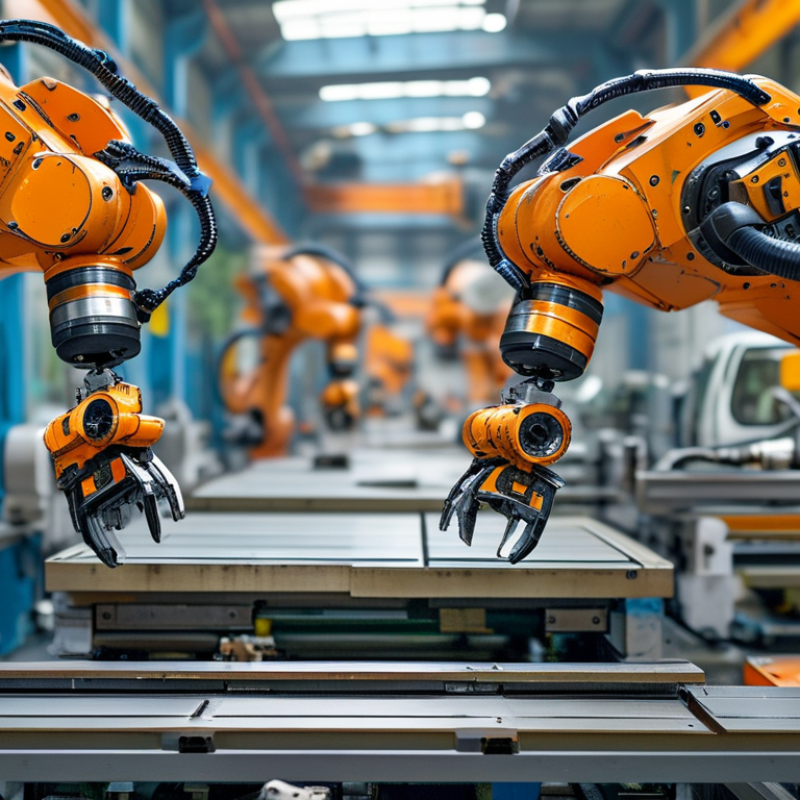
Machine tending robots are revolutionizing the manufacturing landscape. These machines handle intricate tasks, allowing human operators to focus on higher-level functions. In environments with heavy machinery, robots promote safety by reducing direct operator engagement. Increased efficiency and speed are fundamental aspects of these systems, leading to enhanced production rates. This shift is not just about robots replacing humans; it's about collaboration.
When deploying machine tending robots, manufacturers must consider various factors. The type of machinery, the specific tasks, and the training required for seamless operation all matter significantly. Challenges can arise, such as integrating new technology with existing systems or maintaining flexibility in production. Each plant is unique, and a one-size-fits-all solution may not apply. Identifying the best fit is essential for overcoming potential hurdles.
The potential for error in robotic systems exists. These robots need regular maintenance and updates to function optimally. Underestimating this aspect can lead to unplanned downtimes. Manufacturers should be prepared to reassess and adapt their approaches. A commitment to learning and improvement will help ensure that machine tending robots contribute effectively to the production line. Embracing this technology demands not just investment but also a culture of continuous adaptation.
Overview of Machine Tending Robots and Their Role in Manufacturing
Machine tending robots play a crucial role in manufacturing efficiency. They automate the handling of materials, minimizing human intervention. According to a report by the International Federation of Robotics, the use of industrial robots has increased by 12% per year from 2015 to 2020. This shift reflects a growing trend towards automation in various industries.
These robots can operate independently, significantly reducing cycle times and increasing productivity. For instance, factories using machine tending robots report a decrease in downtime and operational errors. However, implementing such technology requires careful planning and investment. Companies need to balance automation with their workforce, ensuring employees are trained for new roles.
Despite the clear advantages, challenges do exist. Robots might struggle with complex tasks that require adaptability. Additionally, initial setup and maintenance can be costly. Manufacturers must weigh these factors against potential long-term benefits. The integration of machine tending robots can undoubtedly enhance efficiency, but it also necessitates a thoughtful approach to technology adoption.
The Economic Impact of Implementing Machine Tending Robots
The integration of machine tending robots into manufacturing processes significantly shapes economic efficiency. These robots streamline tasks such as loading and unloading materials, reducing cycle times. Companies note that machine tending robots can operate around the clock. This leads to higher productivity and output.
However, transitioning to robotic solutions requires careful planning. Initial investments can be substantial. Businesses may face challenges in training staff to work alongside automation. It’s crucial to gauge the return on investment accurately. Some firms may experience a lack of immediate results, causing hesitation in full implementation.
Additionally, not all industries see the same benefits. Smaller companies might struggle to justify the costs. They may feel overwhelmed by technology. The economic impact varies based on the sector and existing workflow. Companies must analyze their unique situations before adopting such technology.
Key Features to Consider When Selecting Machine Tending Robots
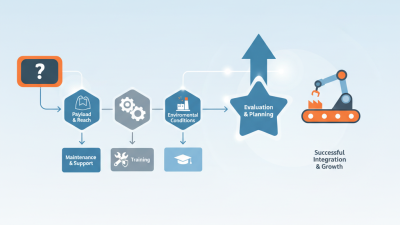
When selecting machine tending robots, a few key features can significantly influence efficiency in manufacturing. Speed and payload capacity are vital metrics. According to a report by the International Federation of Robotics, robots can speed up operations by 40% in some cases. A robot with a higher payload can handle heavier parts more effectively, reducing the need for human intervention. This capability often leads to enhanced productivity on the factory floor.
Another critical aspect is the ease of integration into existing systems. A study by McKinsey indicates that companies often struggle with integrating automation solutions, resulting in delays and increased costs. Choosing robots that come with user-friendly interfaces and compatibility with various machining operations can mitigate these challenges. Flexibility in programming is also essential. Robots that support various tasks can easily adapt to changing production demands.
Lastly, safety features should not be overlooked. Research from the Occupational Safety and Health Administration shows that integrating automation can lower workplace injuries by up to 60%. Hence, selecting robots equipped with advanced safety mechanisms, such as sensors and emergency stop functions, is imperative. These factors contribute to a safer and more effective manufacturing environment.
Case Studies: Successful Integration of Machine Tending Robots
Machine tending robots have transformed manufacturing processes significantly. Successful case studies highlight how integrating these robots can enhance productivity and reduce operational costs. Companies often report increased efficiency and improved safety, enabling workers to focus on complex tasks. In one instance, a medium-sized factory integrated a robot for loading and unloading materials. This change resulted in a 30% reduction in cycle time.
Implementation isn't always seamless. Some organizations faced challenges with programming and initial deployment. Customizing robotics to fit existing workflows can be tricky. It's crucial to allow a sufficient transition period. This period ensures that both machines and personnel adapt to the new system.
When considering machine tending robots, it's wise to assess your current processes. Identify areas that could benefit from automation. Seek feedback from employees, as they often provide insights that can shape effective integration strategies. Regular evaluation of robot performance is also necessary to ensure desired outcomes. Fine-tuning setups based on real-world data can enhance effectiveness over time.
Conclusion
Machine tending robots play a crucial role in modern manufacturing, streamlining operations by automating the loading and unloading processes in machine shops. This article delves into the top 10 machine tending robots that enhance efficiency, highlighting their economic impact and the benefits of their implementation. Key features to consider when selecting these robots include payload capacity, precision, and ease of integration into existing systems.
Furthermore, the article presents compelling case studies showcasing successful integration of machine tending robots across various industries, demonstrating significant productivity and cost savings. As we look ahead, future trends in machine tending robotics, particularly in the context of Industry 4.0, indicate an ongoing evolution toward smarter, more adaptable systems that further optimize manufacturing processes.