Top 10 Automated Material Handling Solutions for Efficiency?
In today’s fast-paced industrial landscape, efficiency is paramount. Automated material handling solutions play a crucial role in achieving this goal. They streamline processes and reduce manual labor. However, not all systems are equal. Companies must choose wisely to maximize their investment.
Many businesses have embraced automated material handling, yet challenges remain. For instance, integration with existing systems can be complex. Additionally, the initial costs may deter some operators. However, the benefits often outweigh the drawbacks. Increased speed and accuracy are vital in maintaining a competitive edge.
Emerging technologies continuously reshape automated material handling. Robotics, AI, and IoT are transforming traditional practices. They offer unprecedented levels of flexibility and scalability. It is essential for businesses to stay informed about these advancements. Emphasizing reliability and expertise in these systems can lead to improved outcomes.
Introduction to Automated Material Handling Solutions
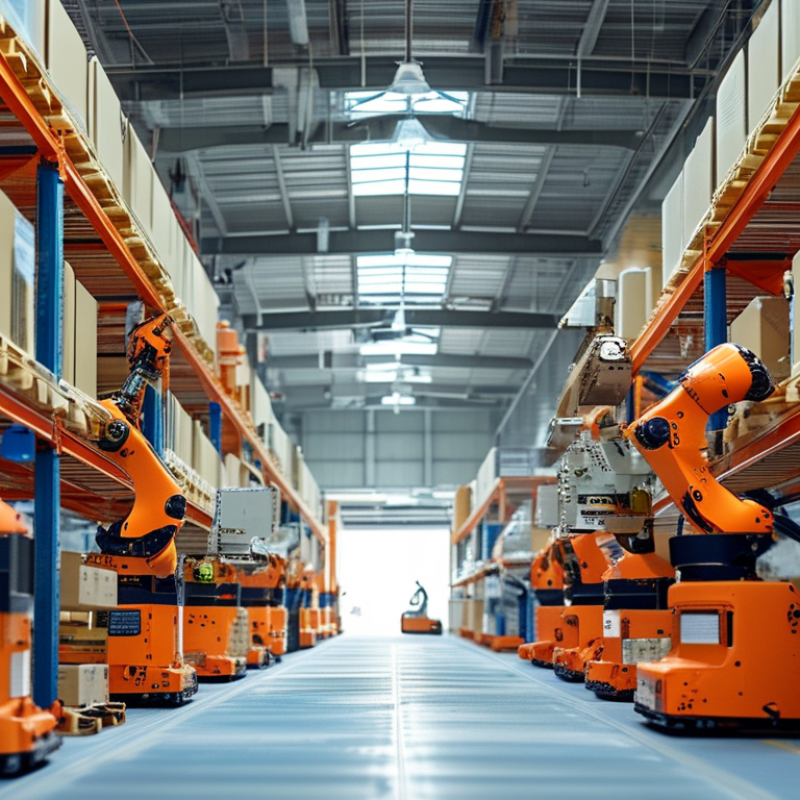
Automated material handling solutions are transforming industries. They play a crucial role in increasing efficiency and productivity in warehouses and factories. These systems utilize technology to move, track, and store materials. They reduce manual labor, which can lead to costs and errors. Businesses can benefit from adopting automated solutions.
The integration of robotics and artificial intelligence enhances workflow. Robots can operate continuously, even in complex environments. They navigate obstacles and adapt to changes. Automation not only speeds up processes but also improves safety. However, challenges remain. Implementing these systems requires careful planning and investment. Sometimes employees may feel uneasy about new technologies. Training is essential to ensure a smooth transition.
Automation brings a wealth of advantages, but it is not a one-size-fits-all solution. Not all systems work for every industry. Each business must evaluate its unique needs. A custom approach can mitigate risks associated with automation. Continuous reflection on the effectiveness of these solutions is vital. Companies should remain open to adjustments and improvements.
Top 10 Automated Material Handling Solutions for Efficiency
| Solution |
Description |
Efficiency Gain (%) |
Implementation Time (Months) |
Cost Range (USD) |
| Automated Guided Vehicles |
Self-driving vehicles for transporting goods. |
30 |
6-12 |
50,000-200,000 |
| Conveyor Systems |
Move products along a belt or track. |
25 |
3-9 |
20,000-100,000 |
| Robotic Palletizers |
Automated robots for stacking products. |
40 |
9-15 |
100,000-300,000 |
| Automated Storage and Retrieval Systems |
Automated systems for storing and retrieving items. |
50 |
12-24 |
200,000-500,000 |
| Sortation Systems |
Systems for sorting items automatically. |
35 |
6-12 |
80,000-250,000 |
| Warehouse Management Systems |
Software for optimizing warehouse operations. |
20 |
3-6 |
10,000-50,000 |
| Mobile Robots |
Robots that navigate autonomously in warehouses. |
30 |
6-12 |
15,000-80,000 |
| Drones |
UAVs for inventory management and monitoring. |
20 |
3-6 |
5,000-30,000 |
| 3D Printing |
Additive manufacturing for custom parts on demand. |
15 |
6-12 |
2,000-100,000 |
| IoT Solutions |
Use of connectivity to streamline operations. |
25 |
4-8 |
10,000-60,000 |
Key Benefits of Implementing Automated Material Handling Systems
Automated material handling systems (AMHS) offer various key benefits. They enhance efficiency by streamlining workflow, reducing manual labor. With automation, tasks such as sorting, picking, and transporting materials become quicker and more precise. This leads to fewer errors and minimizes product damage. Increased productivity is a direct outcome of these systems, driving overall operational success.
One major advantage is improved safety. Many workplaces have hazards. Automating tasks helps mitigate these risks by reducing human involvement in dangerous situations. Workers can focus on more complex tasks, boosting their morale. However, the shift to automated systems may require retraining staff. Some may resist change. It’s important to address this challenge thoughtfully.
Cost savings also play a vital role. AMHS may require an initial investment, but the long-term savings are notable. Lower labor costs and reduced waste contribute significantly to the bottom line. Yet, the cost-effectiveness of automation can vary among different industries. Conducting a thorough analysis is essential. This ensures that adopting automation aligns with specific operational goals and financial capacities.
Top Technologies Driving Efficiency in Material Handling
In today’s fast-paced industrial landscape, automated material handling solutions are becoming essential for boosting efficiency. Technologies such as automated guided vehicles (AGVs) and robotic arms streamline processes. They reduce manual labor and minimize errors. These systems can operate around the clock, ensuring consistent productivity.
Implementing new technologies requires careful planning. Organizations often underestimate the training needs of employees. It's vital to take time for proper onboarding. Engaging staff in the transition promotes a smoother adoption. When workers understand the technology, productivity increases.
Data analytics also plays a critical role. Real-time insights help in decision-making and process optimization. Companies can identify bottlenecks and respond quickly. However, relying solely on data can lead to blind spots. Human oversight remains crucial. Balance technology with personal experience for the best outcomes.
Case Studies: Successful Implementation of Automated Solutions
Automated material handling (AMH) solutions have transformed industries by streamlining processes and improving operational efficiency. A report by the Material Handling Industry of America indicates that companies implementing these solutions can see efficiency gains of up to 30%. However, the path to successful integration is complex.
In one notable case, a large warehouse adopted automated guided vehicles (AGVs) to reduce manual labor. Initially, employee resistance caused delays. However, after clear communication about the benefits, the transition led to a 25% reduction in operational costs. Another facility leveraged autonomous mobile robots (AMRs) for inventory management, reducing picking errors by 40%. The upfront investment was challenging, yet the long-term return proved the value of automation.
Challenges remain, such as ensuring employee retraining and adapting workflows. Companies often overlook these factors, leading to implementation failures. Over 70% of businesses report difficulties in change management. To overcome these hurdles, leaders must prioritize clear strategies and employee engagement. Understanding that automation is not just technology, but a shift in culture, is essential for sustainable success.
Future Trends in Automated Material Handling Solutions
As the demand for efficiency in logistics grows, automated material handling solutions are evolving. Recent reports indicate that up to 75% of companies are adopting automated technologies to boost warehouse productivity. These innovations include autonomous mobile robots (AMRs), which significantly reduce manual labor and enhance inventory management.
The trend towards automation reflects a shift in workforce dynamics. In many sectors, labor shortages are prompting companies to explore alternatives. Approximately 54% of warehouse managers now consider automated systems essential. However, integrating these solutions poses challenges. Companies must navigate costs, training requirements, and operational adjustments. Data from leading industry studies indicate that about 30%% of initial implementations face setbacks.
Continuous improvement and assessment are vital. Companies must regularly evaluate performance metrics to ensure systems meet their operational goals. Investing in automation without a clear strategy can lead to inefficiencies. Striking a balance between technology and human oversight becomes increasingly important. This evolving landscape requires a thoughtful approach to maximize the benefits of automation.