Top 10 Outrunner Motors You Should Consider for Your Projects?
Outrunner motors have gained significant popularity in various DIY projects and robotics. These motors stand out due to their unique design and performance characteristics. The outer rotor design allows for higher torque and efficiency, making them ideal for more demanding applications. Enthusiasts appreciate how these motors can enhance the performance of drones, RC vehicles, and even electric bicycles.
Selecting the right outrunner motor is crucial for project success. With many options available, it can feel overwhelming. Each motor offers distinct advantages and unique specifications. Therefore, it’s essential to consider your project's specific requirements. This includes weight, size, and power output. The right choice can elevate your project, while the wrong one may lead to underwhelming results.
In this article, we’ll explore the top 10 outrunner motors you should consider for your projects. Each motor will be examined in terms of performance, reliability, and user reviews. Engaging with user experiences can provide valuable insights. This information will help you make a well-informed decision, ensuring your project shines.
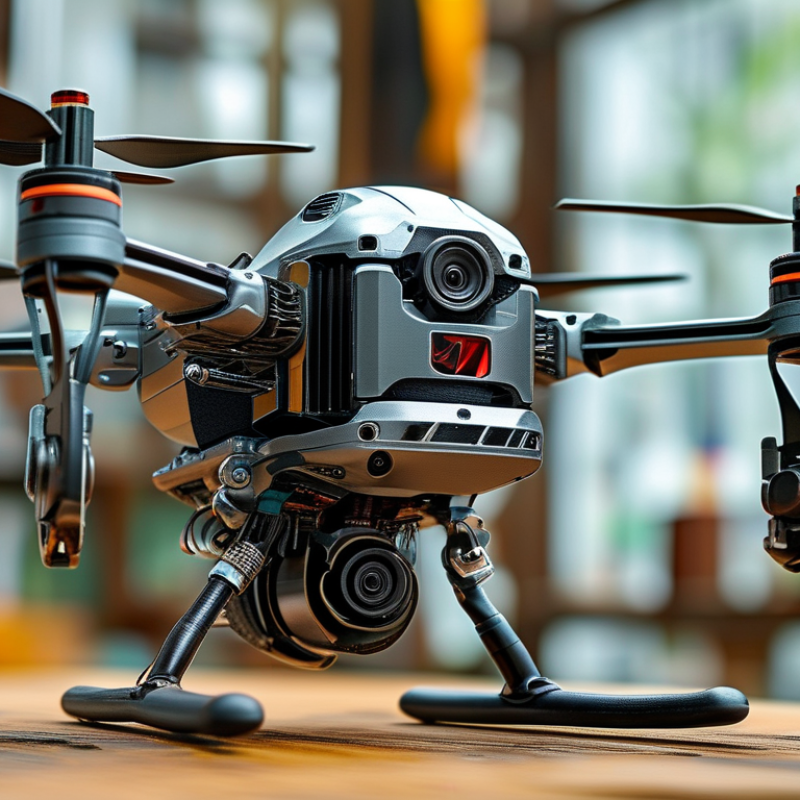
Overview of Outrunner Motors and Their Applications
Outrunner motors are popular in various applications due to their unique design. Unlike traditional motors, they feature a rotating outer rotor. This design provides higher efficiency and better torque. They are lightweight and capable of delivering high power-to-weight ratios. Many hobbyists and professionals choose outrunner motors for projects requiring precision and reliability.
These motors find applications in drones, RC vehicles, and robotics. In aerial drones, outrunner motors allow for agile movement. Their efficiency translates to longer flight times, critical for aerial photography. In RC cars, these motors enhance speed and responsiveness. Robotics also benefits from their compact size and high torque, making precise movements easier to achieve.
However, selecting the right outrunner motor can be challenging. Factors such as weight, size, and power must be considered. Users often find themselves overwhelmed by options. It’s essential to match the motor specifications with the project needs. Testing motors in real applications can also reveal performance discrepancies. Be prepared for some trial and error in finding the optimal fit.
Key Features to Look for in Outrunner Motors
When selecting an outrunner motor, several key features should guide your decisions. The efficiency rating of the motor is crucial. A high-efficiency outrunner can enhance project performance and prolong battery life, an essential factor for unmanned aerial vehicles (UAVs) and drones. Industry reports indicate that motors with efficiency ratings above 85% can significantly reduce energy consumption.
Torque is another vital feature. A motor with high torque can provide better acceleration and responsiveness. This is particularly important for robotics and RC vehicles, where performance is paramount. Additionally, ensure the motor has a suitable weight-to-power ratio. Lightweight motors deliver better agility while maintaining sufficient power, which can affect the project's design and functionality.
Tip: Consider looking for outrunner motors with customizable features. Customization options can help tailor the motor to specific project needs, improving overall performance.
Not every outrunner motor is perfect. Some may have design flaws or limitations in power output. Comparing specifications can be challenging and time-consuming. Always seek reviews from experienced users to avoid potential pitfalls. A thorough understanding of your project's requirements will guide your choice effectively.
Top Performance Characteristics of the Best Outrunner Motors
When selecting an outrunner motor, performance characteristics are crucial. High torque output is essential for applications requiring powerful acceleration. Look for motors that provide consistent performance across various loads. Efficiency is another key trait. A well-designed motor will maximize energy use, translating into longer operational times.
Tips: Always check the motor's weight-to-power ratio. A lighter motor can enhance overall performance in dynamic applications. Consider the cooling system as well; efficient cooling extends the motor's lifespan.
Another important factor is compatibility. Ensure that the outrunner motor fits your project’s specifications. Dimensions, weight, and required voltage should all be validated before making a purchase. A mismatch can lead to inefficiencies or even damage.
Tips: Do thorough testing with your chosen motor. Initial performance may not reflect real-world use. Always be prepared for adjustments and refinements to achieve optimal results.
Top 10 Outrunner Motors You Should Consider for Your Projects
| Motor Model | KV Rating (RPM/V) | Max Current (A) | Max Power (W) | Weight (g) | Dimensions (mm) |
| Motor A | 2200 | 60 | 1200 | 120 | 28 x 36 |
| Motor B | 2500 | 50 | 1250 | 130 | 30 x 40 |
| Motor C | 2000 | 55 | 1100 | 100 | 25 x 35 |
| Motor D | 3000 | 70 | 1500 | 140 | 32 x 42 |
| Motor E | 2800 | 65 | 1400 | 150 | 34 x 45 |
| Motor F | 3500 | 75 | 1600 | 160 | 36 x 50 |
| Motor G | 1800 | 45 | 900 | 110 | 22 x 30 |
| Motor H | 1900 | 40 | 800 | 120 | 24 x 32 |
| Motor I | 2300 | 50 | 1200 | 130 | 30 x 40 |
| Motor J | 2400 | 65 | 1300 | 145 | 33 x 43 |
Comparative Analysis of the Leading Outrunner Motor Brands
When selecting an outrunner motor, understanding key features can help in your projects. Many models vary in efficiency, torque, and weight. An efficient motor will conserve energy while providing optimal performance. Torque is crucial for powering heavier loads. For specific applications, choose motors with the right balance between weight and power output.
Brand reputation also plays a significant role in decision-making. Some brands consistently receive high ratings for durability and performance. However, not all highly-rated motors perform well in every scenario. Individual project needs can differ greatly. It’s important to evaluate what suits your specific requirements rather than following brand hype.
Performance under load is another area to consider. Some motors excel in high-temperature conditions, while others may struggle. Testing different motors for your particular application can reveal their strengths and weaknesses. Documenting these experiences leads to better choices in future projects. Embrace the imperfections and learn from them; this path often leads to more innovative solutions.
Performance Comparison of Top Outrunner Motors
Practical Tips for Integrating Outrunner Motors into Your Projects
Integrating outrunner motors into your projects can elevate performance and efficiency. These motors are known for their high torque and lightweight design. According to industry reports, the demand for outrunner motors in robotics and drones is projected to grow significantly, given their capability. Incorporating them effectively can lead to remarkable innovation.
When integrating an outrunner motor, consider the motor's specifications carefully. Choose a model that matches your project's voltage and current requirements. An overpowering motor may damage components. On the other hand, using an undersized motor can lead to inefficiency and operational failures.
Another key factor is ensuring proper heat dissipation. Outrunner motors can generate significant heat during operation. A cooling system or proper ventilation can mitigate overheating, increasing longevity. Monitor your motor’s temperature regularly. This helps prevent performance drops due to heat issues.
Always test and iterate on your design. Prototyping can reveal unanticipated challenges. Assess the motor’s performance and adjust accordingly. Structures may need reinforcement, or weight distribution might need attention. These reflections are vital for successful integration.