Top Tips for Choosing the Right ASRS Racking System?
When selecting an ASRS racking system, the decision can be daunting. Expert logistics consultant Mark Thomas emphasizes, "Choosing the right ASRS racking system is crucial for efficiency." His advice is invaluable for businesses looking to optimize storage and workflow.
The ASRS racking system significantly impacts space utilization and operational speed. Today’s market offers various types. Each system caters to different needs depending on your industry. Be aware of factors like load capacity, accessibility, and system compatibility. A poorly chosen ASRS can lead to costly inefficiencies.
Reflect on your inventory and workflow processes. Conduct a thorough assessment before making any decisions. The right ASRS racking system enhances productivity and minimizes wasted space. Consider consulting with industry professionals to gather insights. Their experience can guide you through the complexities of selecting an ASRS that aligns with your business goals.
Understanding Automated Storage and Retrieval Systems (ASRS)
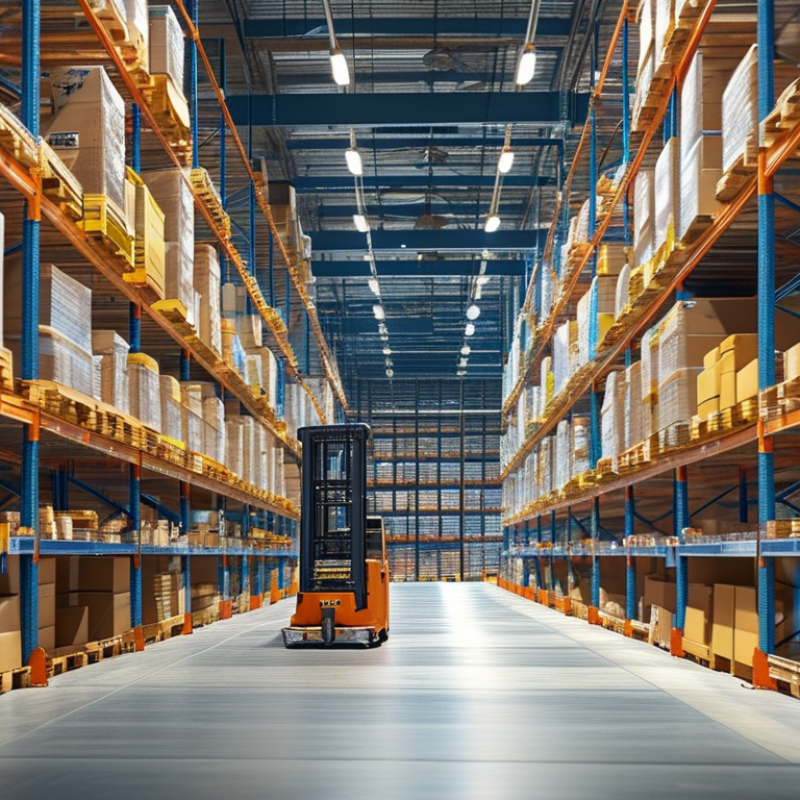
Automated Storage and Retrieval Systems (ASRS) are changing the landscape of warehouse operations. These systems enhance efficiency by automating the processes of storing and retrieving goods. According to the Material Handling Industry of America (MHIA), ASRS can improve storage density by up to 50% compared to traditional methods. This makes it a valuable choice for many businesses looking to optimize their space.
Implementing an ASRS requires careful consideration. Proper planning is crucial, as these systems necessitate significant upfront investments. A report from logistics experts indicates that organizations can see a return on investment within five years, yet the implementation process can be daunting. Some facilities struggle with integrating ASRS into existing workflows. Others find maintenance challenging, leading to unexpected downtimes.
Additionally, the adaptability of the system is vital. Different industries require different configurations. A flexible design can accommodate changes in inventory without excessive costs. However, rigidity in design may lead to inefficiencies. Companies often need to assess their long-term requirements to avoid potential pitfalls. While ASRS offers substantial benefits, thoughtful evaluation of an organization's specific needs is essential for success.
Key Factors to Consider When Choosing ASRS Racking Systems
When selecting an ASRS racking system, several critical factors come into play. Understanding your space is essential. Measure your warehouse dimensions, including ceiling height and floor layout. This ensures the racking system fits comfortably while maximizing storage capacity. The type of products you store also matters. Different items require various racking styles. Consider whether you need standard pallets, small bins, or specialized equipment.
Another important aspect is the throughput requirements. How fast do you need to access items? Systems vary significantly in their pick rates. Some offer quicker retrieval but may consume more floor space. Balancing speed and space efficiency often leads to operational reflection. What is your real need?
Finally, consider scalability for future growth. Your storage needs will evolve. Investing in a flexible racking system allows easy adjustments over time. Avoid systems that may lock you into a specific layout or limit your options. This insight can save costs later. Keeping these factors in mind fosters a more reliable decision-making process.
Top Tips for Choosing the Right ASRS Racking System
The bar chart above illustrates the importance level of various factors when choosing an ASRS racking system. Each factor is rated from 1 to 10, highlighting the key considerations for effective selection.
Types of ASRS Racking Systems and Their Applications
When selecting an Automated Storage and Retrieval System (ASRS) racking system, understanding different types is crucial. Each type serves specific applications, from standard pallet racking to more advanced solutions like mini-load systems. Traditional pallet racks are ideal for bulk storage and high-efficiency operations. They allow quick access and high storage density but may not be optimal for smaller items.
Another common type is the shuttle racking system. It enhances storage flexibility and minimizes travel time for goods. These systems suit environments with varying item sizes, supporting both large pallets and small components. Moreover, they can be easily expanded, a major advantage for growing businesses.
Tip: Assess your inventory heat map. Identify slow and fast-moving items. This knowledge helps determine the most suitable racking type.
Consider operational needs. Mini-load systems work well for items that are small and numerous, while drive-in systems maximize space for bulk goods. Think about efficiency, and remember that sometimes, oversizing or undersizing your system can lead to unnecessary costs and inefficiencies. Take time to reflect on actual requirements; every detail counts when finding the best solution.
Evaluating Space Efficiency and Layout in ASRS Design
When evaluating space efficiency in ASRS design, it is crucial to consider your facility’s layout. The arrangement of racking systems directly impacts storage density and retrieval speed. Measure your available space accurately to avoid overly complex configurations. Inefficient use of vertical height can lead to wasted capacity.
Consider the specific needs of your inventory. For example, not all products require the same access frequency. Incorporating a mix of racking heights can optimize space and facilitate faster picking.
Tip: Analyze product flow patterns. Group frequently accessed items in easily reachable locations. This reduces travel time and improves operational efficiency.
Remember that adaptability is vital. Your ASRS should accommodate future changes in inventory or operational demands. Flexibility in design can save costs in the long run. Regularly assess your layout. Update your racking systems to align with evolving business needs.
Cost Implications and Budgeting for ASRS Implementation
Implementing an Automated Storage and Retrieval System (ASRS) can be a significant investment. Budgeting for this system requires a clear understanding of cost implications. The initial costs can vary greatly, often ranging from tens of thousands to millions of dollars, depending on the complexity of the design and the technology employed. According to a recent industry report from the Material Handling Industry of America, ASRS systems can reduce retrieval times by up to 75%. The long-term efficiency gains can indeed justify the initial outlay, but businesses must consider ongoing operational costs as well.
While analyzing costs, one must not overlook additional expenses. Maintenance, software upgrades, and employee training can add substantial amounts. Industry research indicates that ongoing costs can constitute up to 15% of the initial investment per year. This means that companies should set aside a clear budget for training workers on new systems, which is critical for optimal performance. Reflecting on these factors is essential. Underestimating costs could lead to budget overruns and ineffective implementation of the ASRS. It's also crucial to compare various system designs and scalability options, as these factors can significantly impact overall expenses.