

• Gantry Robot Manufacturer & Articulated Arm Integrator

What Is an Acrylic Jar With Lid Used For?

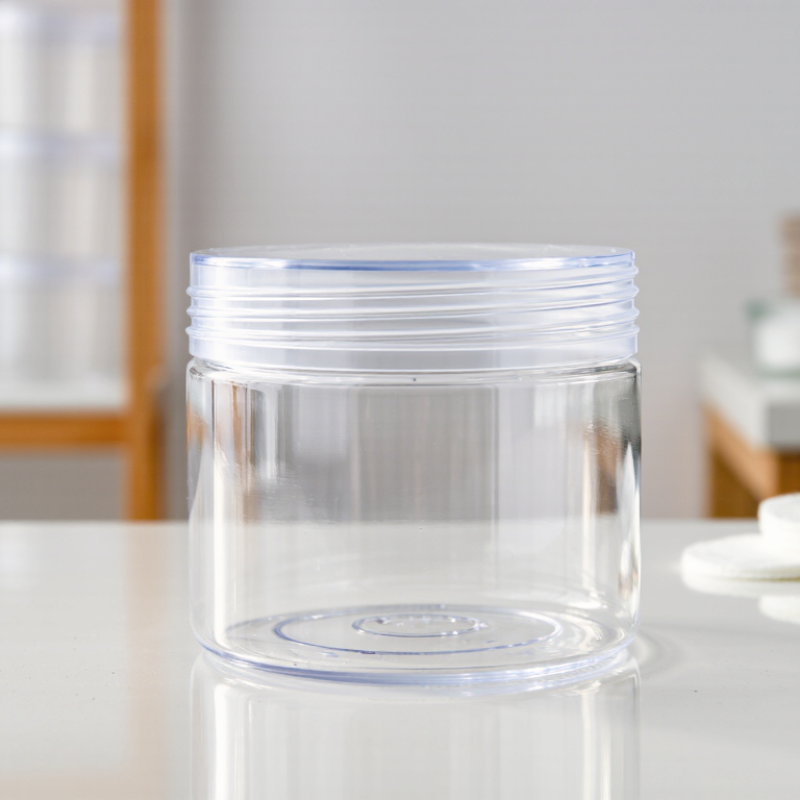
An Acrylic Jar With Lid is a practical container for organizing, displaying, and protecting everyday items. Its clear walls make contents easy to identify without opening the jar. This simple feature saves time in kitchens, bathrooms, workshops, and retail spaces. Many users store dry snacks, cotton pads, bath salts, buttons, beads, or small craft supplies inside.

The lid helps reduce dust, moisture, and accidental spills. A secure closure also keeps shelves looking cleaner. For food storage, choose a jar labeled for food contact and follow the manufacturer’s temperature guidance. Acrylic is lightweight and less likely to shatter than glass, making it useful in busy homes or classrooms. However, it can scratch, cloud, or react poorly to high heat and harsh cleaners. Hand washing is often the safer choice.

Details matter. A wide opening makes scooping rice or bath salts easier. A tight-fitting lid suits items that need better protection. A stackable shape can turn a crowded cabinet into a more usable space. Still, not every acrylic jar performs equally well. Thickness, seal quality, and material grade can vary between products. I have found that attractive clarity does not always mean long-term durability. Check the product description carefully, especially before storing liquids, oily products, or warm contents. With sensible selection and regular cleaning, this jar can support neat, visible, and flexible storage in many daily settings.
What Is an Acrylic Jar With Lid Used For?

What an Acrylic Jar With Lid Is: PMMA, 1.18 g/cm³ Density, and ~92% Clarity

What Is an Acrylic Jar With Lid Used For?

An acrylic jar with lid is a lightweight container made from PMMA, or polymethyl methacrylate. PMMA has a density of about 1.18 g/cm³, making it easier to handle than glass. Its clarity can reach approximately 92%, so stored items remain easy to see. This glass-like appearance suits displays, sample storage, craft materials, and dry household supplies. The transparent walls also help users check quantity without opening the lid.

In practical use, the jar can hold beads, cotton pads, powders, small accessories, or office items. A fitted lid helps reduce dust, moisture exposure, and accidental spills. However, the lid does not automatically create an airtight seal. The result depends on its shape, gasket, and manufacturing tolerance. Clear PMMA feels clean and professional, but it can scratch when cleaned with rough sponges. Soft cloths work better.

Acrylic is also lighter and less likely to shatter than ordinary glass. That makes it useful in retail counters, studios, bathrooms, and organized workspaces. It still needs reasonable care. High heat may deform the material, and strong chemicals can cloud its surface. I have found that visual clarity is its strongest advantage, although fingerprints quickly reduce that effect. A jar may look perfect in a product photo, yet daily handling reveals small compromises. Choosing the right lid fit matters as much as choosing the transparent body.

How Acrylic Jars Store Cosmetics, Creams, Powders, and Small Essentials

An acrylic jar with a lid offers a clear, lightweight home for daily cosmetics and personal-care products. Its transparent walls let you check the remaining cream without opening the container. This helps during busy mornings. A wide opening works well for facial cream, body butter, scrub, or hair mask. The lid should close firmly, but not require force. In my experience, a clean screw lid reduces accidental spills inside a travel pouch.

For powders, a shallow acrylic jar can hold loose setting powder, mineral powder, or bath powder. A sifter insert helps control the amount released. Without one, fine particles may scatter around the rim. That is messy. A small spatula works better for creams than dipping fingers into the jar. It limits repeated contact and keeps the surface neater. However, acrylic is not automatically sterile. Wash and dry the jar before filling it, and avoid mixing old product with new contents.

These jars also organize small essentials, including cotton pads, hair ties, beads, travel accessories, and sewing items. Clear storage saves time because the contents remain visible in a drawer or cabinet. Keep the jar away from strong heat and harsh solvents, which may cloud or weaken some acrylic materials. I would also label the filling date, especially for water-rich creams. That habit is easy to forget, and transparent packaging can create a false sense of safety. The container protects the product, but storage habits still matter.

What Is an Acrylic Jar With Lid Used For? — How Acrylic Jars Store Cosmetics, Creams, Powders, and Small Essentials

Storage Category Typical Contents Recommended Jar Size Why an Acrylic Jar Works Important Storage Considerations
Face Creams Moisturizers, night creams, eye creams, and facial masks 15–100 mL The wide opening makes creams easy to access, while the rigid container helps protect the product from crushing during storage. Use clean, dry hands or a cosmetic spatula. Keep the lid tightly closed to reduce exposure to air and moisture.
Body Creams and Balms Body butter, hand cream, heel balm, and solid moisturizing products 50–250 mL Suitable for thicker formulas that need a stable, wide-mouth container for convenient scooping. Avoid placing the jar near direct heat, since heat can soften or melt certain creams and balms.
Loose Powders Setting powder, mineral powder, clay powder, bath powder, and dry masks 30–150 mL The jar provides a reusable, lightweight container and can help keep dry products organized when properly sealed. Powders should remain completely dry. A sifter insert or shaker lid may be useful for controlled dispensing.
Pressed Powders Blush, bronzer, eyeshadow, and highlighter refills 15–60 mL The smooth interior can accommodate small pans, inserts, or loose pressed-powder pieces. Add a secure inner insert when needed. Prevent impact and excessive pressure to reduce cracking or breakage.
Lip and Eye Products Lip scrubs, cosmetic pigments, glitter, and cream eyeshadow 5–30 mL Small jars provide easy access to low-volume products and help separate different colors or formulas. Use a clean applicator for hygiene. Avoid sharing applicators between users or products.
Hair Care Products Hair pomade, styling wax, edge control, and treatment masks 30–150 mL The broad opening is practical for thick, semi-solid formulas that cannot be dispensed easily from a narrow bottle. Remove residue from the threads before closing the lid to help maintain a clean seal.
Craft and Hobby Supplies Beads, sequins, buttons, charms, glitter, and small embellishments 15–250 mL Clear or translucent acrylic makes small items easy to identify and sort without opening every container. Choose a lid with a dependable fit and label each jar to prevent mixing similar materials.
Small Everyday Essentials Hair ties, cotton swabs, clips, pins, screws, buttons, and travel accessories 30–500 mL Rigid walls help organize small loose items, while stackable shapes can save space in drawers and cabinets. Do not overfill. Leave enough space for the lid to close without pressing against the contents.
Travel-Sized Toiletries Small amounts of cream, scrub, mask, or solid personal-care products 5–60 mL Compact jars are convenient for carrying limited quantities and separating products inside a travel kit. Check that the lid is securely closed before placing the jar in a bag. Use an additional sealed pouch for leak-prone formulas.
Best Material Advantages General-purpose cosmetic and organizational storage Varies by application Acrylic is lightweight, rigid, easy to clean, and available in clear, translucent, or opaque designs. Acrylic is not automatically airtight, chemically compatible, or heat resistant for every formula. Test the container with the intended contents before long-term use.

Why Lids Matter: Sealing, Contamination Control, and Product Protection

What Is an Acrylic Jar With Lid Used For?

Why Lids Matter: Sealing, Contamination Control, and Product Protection

An acrylic jar with a lid stores creams, powders, samples, and other sensitive products. Its clear wall helps staff check color, texture, and fill level quickly. The lid does more than complete the package. It limits dust, moisture, and accidental contact during storage and daily handling. UNEP’s 2023 Turning off the Tap report states that packaging consumes about 36% of global plastic production. That figure makes closure design worth careful attention.

A well-fitted lid creates a practical barrier between the product and its surroundings. Threads, liners, and inner seals can reduce leakage and airborne contamination. They also slow moisture exchange, which may protect texture and weight. For cosmetic products, ISO 22716 guidance supports controlled manufacturing, hygienic handling, and suitable packaging protection. A clean jar can still fail when its lid fits poorly. Small gaps are easy to miss. They are not harmless.

In routine filling work, operators should check closure torque, liner placement, and visible damage. A lid that feels tight may still seal unevenly. Over-tightening can distort threads or stress the acrylic. Under-tightening can invite leakage during transport. Tamper-evident features add another layer of confidence, especially when many people handle the container. I would not treat acrylic as automatically protective. It can scratch, cloud, or crack, so impact testing and compatibility checks remain necessary. Even simple storage needs disciplined inspection.

What Is an Acrylic Jar With Lid Used For?

Acrylic jars with lids are commonly used to store dry goods, cosmetics, craft materials, samples, and small household items. The lid helps reduce exposure to dust, moisture, handling, and accidental spills, while acrylic provides visibility and impact resistance.

The chart shows typical properties of clear acrylic (PMMA) that support product protection. Acrylic itself is not an airtight seal; sealing performance depends on the lid design, fit, threads, and any gasket or liner used.

Typical values for general-purpose clear PMMA: visible-light transmission approximately 92%, density approximately 1.18 g/cm³, 24-hour water absorption approximately 0.3%, and tensile strength approximately 70 MPa. Values vary by grade and manufacturing process.

Where Acrylic Jars Fit FDA Packaging Guidance and ISO 22715 Practices

What Is an Acrylic Jar With Lid Used For?

Acrylic jars are commonly used for creams, balms, masks, powders, and cosmetic samples. Their clear walls help users inspect color and remaining volume. A tight lid can reduce dust entry and slow moisture loss. Still, a jar is not automatically suitable for every formula.

Under FDA guidance, cosmetic packaging materials should not transfer harmful substances into products. Cosmetic manufacturers also carry responsibility for product safety, even without routine premarket approval. For food-contact applications, the material must match an applicable FDA authorization, such as the relevant 21 CFR provision or a valid food-contact notification. Acrylic alone proves nothing. Testing should examine odor, discoloration, swelling, cracking, and ingredient migration after storage.

ISO 22715 practices encourage controlled packaging specifications, clear identification, and checks for container-closure compatibility. Practical evaluations may include heat-cold cycling, drop testing, torque checks, and aging studies. One weakness is often overlooked: wide-mouth jars expose products to fingers and air during repeated use. An airless format may perform better for sensitive formulas, but it can increase cost and complicate filling.

The OECD Global Plastics Outlook reported 353 million tonnes of plastic waste in 2019, with only 9% recycled. This figure makes material selection more important, not merely cosmetic. Recyclability claims need evidence, local-system review, and accurate labeling. A polished jar can still create a poor packaging decision.

How to Select Acrylic Jar Size, Closure Type, and Care for Reuse

An acrylic jar with a lid suits cosmetics, dry foods, craft supplies, and small bathroom essentials. Its clear walls make contents easy to identify. Acrylic is lightweight and more impact-resistant than ordinary glass. However, it can scratch and may cloud after repeated washing. That detail matters.

Select the jar size by measuring real usage, not imagined storage needs. A 100–250 millilitre jar fits creams, cotton pads, spices, or beads. Larger 500–1,000 millilitre jars suit snacks and household powders. The 2023 Global Plastics Outlook from the OECD reports that plastic waste could nearly triple by 2060 without stronger reuse systems. Choosing a refillable size can reduce unnecessary replacement. Smaller is sometimes better.

Closure type should match the product. A screw lid provides a stronger seal for dry goods and frequent handling. A snap lid offers quicker access but may loosen after heavy use. For powders, choose a lid with a tight inner fit. For creams, leave enough headspace to prevent overflow. Clean acrylic with mild soap, lukewarm water, and a soft cloth. Avoid abrasive pads, boiling water, and harsh solvents. The U.S. Environmental Protection Agency identifies reuse as a key strategy for reducing packaging waste. Still, reuse is not automatically hygienic. Wash, rinse, and dry the jar completely before refilling. Inspect the lid seal each time. A cloudy surface is a warning, not merely a cosmetic flaw.