Why Choose a Portable Massage Table for Your Business?
A portable Massage Table can make a small wellness business more flexible. It lets practitioners serve clients in studios, shared rooms, or carefully planned home visits without relying on a permanent treatment space. The benefit is practical, not magical. A table still needs to feel stable, clean, and comfortable during everyday appointments.
Imagine carrying a folded table from a car into a quiet room, then setting it up beside a fresh sheet and a small supply case. Weight matters when that trip happens several times a week. So do secure leg locks, clear setup instructions, and a surface that is easy to wipe between clients. Check the maker’s weight rating and dimensions before buying, and compare them with your clients, vehicle, and storage space. Details count.
Portability can also support a more adaptable schedule. Independent therapists may use one room for different services, while new businesses can avoid committing to bulky equipment too soon. Still, lighter is not always better. A table that feels awkward or shifts under pressure can disrupt a session and undermine trust. Test the height adjustments, inspect the joints, and, when possible, try folding and carrying the table yourself.
There is a trade-off. A portable model may offer less storage or a different feel than a stationary table. That may be fine for one practice, but not another. The right choice depends on real working habits, client needs, and the space available—not just a product photo.
What Is a Portable Massage Table?
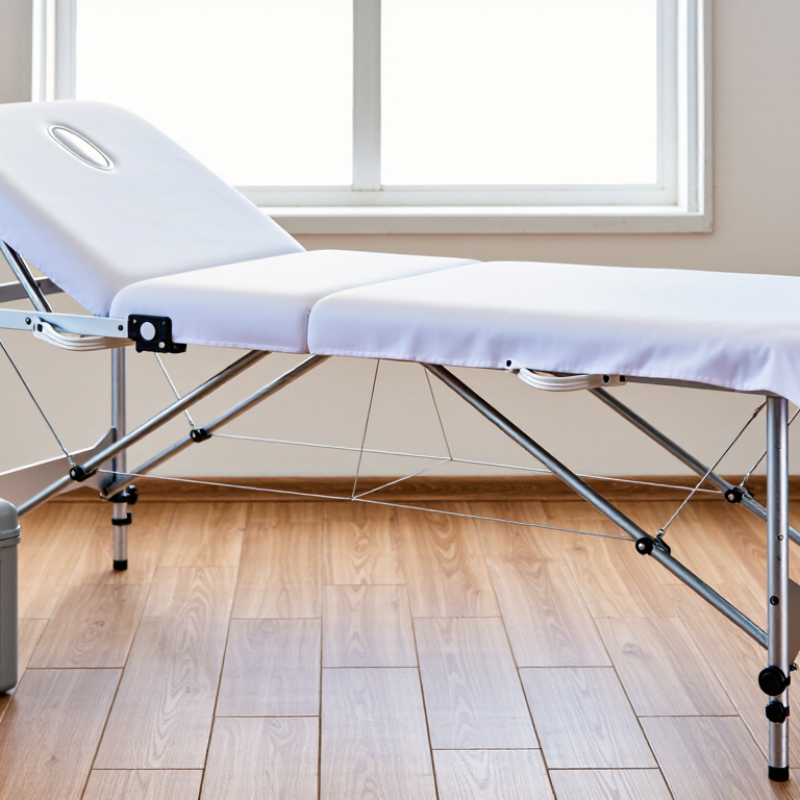
A portable massage table is a padded, foldable surface designed for hands-on bodywork outside a permanent treatment room. It usually has a hinged frame, adjustable legs, a face cradle, and a carrying case. Set up in a client’s home, a hotel room, or a rented studio, it creates a stable work surface without requiring a fixed massage bed. The key is practical fit: check the table’s working height, weight, width, and stated load capacity, then make sure its feet sit firmly on the floor. A table that is easy to carry but awkward to adjust may slow every appointment.
Portability can matter as more therapists work across different settings. The U.S. Bureau of Labor Statistics projects employment of massage therapists to grow 18% from 2023 to 2033, much faster than the average for all occupations. That projection describes employment, not demand for portable equipment, so it should not be treated as a sales forecast. Still, it helps explain why flexible work arrangements deserve attention. Before buying, test how quickly the table opens, whether the face cradle stays secure, and how the padding feels during a full session. Small details matter. A carrying case can help, but it will not make a heavy table feel light on stairs.
How Does a Portable Massage Table Support Business Operations?
A portable massage table can make a small practice easier to run across studios, client homes, and temporary treatment rooms. The U.S. Bureau of Labor Statistics reported that about 42% of massage therapists were self-employed in 2022. It also projected employment growth of 18% from 2023 to 2033, much faster than the average for all occupations. Those figures point to a field where flexible work arrangements matter. A folding table helps a therapist set up in a spare room or event space without relying on permanent treatment furniture.
Before buying, check: the table’s weight, working capacity, folded dimensions, and adjustment range.
Setup should be practical, not just quick. A carrying case and secure locking legs can make trips between appointments less awkward. At a client’s home, a therapist can unfold the table near an outlet, lay out clean linens, and keep oils within reach. Small details count.
Still, portability has trade-offs: a lighter table may feel less stable, and repeated lifting can strain the therapist. The BLS notes that massage work can be physically demanding, so transport plans and safe lifting habits deserve attention. A portable table supports operations best when it fits the therapist’s body, vehicle, and appointment routine—not merely the product description.
What Features Matter When Choosing a Portable Massage Table?
A portable massage table should be light enough to carry between appointments, but not so light that it feels unstable. Check the table’s weight, folded dimensions, carrying case, and working weight capacity; confirm whether that capacity includes both the client and therapist. Adjustable legs help accommodate different body heights and treatment positions. A table that is too low can strain your back over a busy day. The U.S. Bureau of Labor Statistics projects massage therapist employment will grow 18% from 2023 to 2033, suggesting that dependable equipment may matter for a growing number of practitioners. Growth alone, though, does not tell you which table fits your work.
Test the table before buying, if possible. Press gently on its corners, listen for creaks, and check whether the legs lock firmly on the floor. Padding should support the client without feeling excessively soft, while wipeable upholstery makes cleanup easier between sessions. Look for rounded edges, sturdy hinges, and accessories that suit your services, such as a face cradle. NIOSH ergonomic guidance emphasizes reducing awkward postures and handling loads carefully; a manageable carry weight and quick setup can help, but they cannot replace sound lifting habits. Small details count. No table is perfect. A wider surface can feel comfortable for clients yet become awkward in a crowded room, so measure your setup space before choosing.
Which Businesses Benefit Most from Portable Massage Tables?
Portable massage tables are especially useful for therapists who work beyond a fixed clinic. Independent massage therapists can carry one to clients’ homes, offices, or wellness events, then set up in a quiet room with enough floor space. A padded table, adjustable height, and secure locking legs matter more than flashy extras. Setup should feel steady, not rushed.
They also suit mobile physical wellness providers, sports massage practitioners, and spa teams serving hotels or retreats. At a weekend athletic event, for example, a table can turn a small treatment tent into a practical work area. Beauty professionals offering body treatments may benefit too, provided the table supports the service and can be cleaned between clients. Check the weight and folded dimensions before buying; a table that is technically portable can still be tiring to lift into a car.
Small studios with limited storage may use a portable table as an extra treatment surface during busy periods. It folds away when the room needs to serve another purpose. That flexibility has limits. Some models wobble on uneven floors, and carrying equipment up stairs can wear on a therapist’s back. Test the table, inspect its stability, and consider who will transport it. Convenience is real, but it is not automatic.
Why Choose a Portable Massage Table?
Portable tables make it easier to serve clients across changing locations, from homes and events to shared treatment spaces. The chart compares business types by how useful portability can be in their day-to-day operations.
Scores are qualitative planning ratings, not survey results. Higher scores indicate that mobility and flexible setup are more central to the business model.
How Can You Maintain a Portable Massage Table for Long-Term Use?
A portable massage table earns its place through regular care, not just sturdy construction. After each client, remove oil and lotion with a mild cleaner, then use a surface disinfectant suitable for the upholstery. Follow its label’s wet contact time; wiping it dry too soon can reduce effectiveness.
The CDC’s 2018 report estimated that about 1 in 31 U.S. hospital patients had at least one healthcare-associated infection on any given day. That figure is not specific to massage practices, but it reinforces why shared surfaces deserve careful cleaning. Check seams and face-cradle covers, where residue can hide.
Tips: Dry the table fully before folding it. Keep it away from heaters and direct sunlight, which may dry or crack upholstery. Each week, inspect the frame, hinges, cables, and leg locks. Open the table and press gently on each corner; watch for wobble or a slipping lock. Tighten only parts intended for user adjustment, and follow the manufacturer’s care instructions. Small checks take minutes.
Carry the table with its frame supported, rather than dragging it across a floor. Store it in a clean, dry place, with no heavy equipment stacked on top. I’ve found that maintenance gets skipped when a room is busy; a simple checklist near the storage area helps. Record repairs and repeated looseness, too. A table that looks clean may still need mechanical attention.