

• Gantry Robot Manufacturer & Articulated Arm Integrator

Why Choose a Recycling Baler Machine?

Why Choose a Recycling Baler Machine?

Global waste volumes are rising faster than many facilities can handle. The United Nations Environment Programme reports that municipal solid waste may grow from 2.3 billion tonnes in 2023 to 3.8 billion tonnes by 2050. This pressure makes efficient material handling increasingly important.

A Recycling Baler Machine compresses cardboard, paper, plastics, and selected packaging into dense, stackable bales. Picture a busy warehouse: loose cartons fill walkways, while a properly sized baler creates uniform bundles ready for storage or collection. The U.S. Environmental Protection Agency’s Advancing Sustainable Materials Management reports show that paper and cardboard remain major recyclable material streams in the United States. Better sorting and compaction can support cleaner operations, lower storage demand, and fewer collection trips.

David Biderman, a recognized waste-management industry expert, states, “Recycling succeeds when materials are recovered efficiently and markets can use them.” His point matters. A baler is not a complete recycling strategy. Contamination, poor training, unsuitable wire, and weak buyer specifications can still reduce value. That is the uncomfortable part.

The right Recycling Baler Machine depends on material type, daily volume, moisture, available floor space, and operator experience. Energy use matters too. So does maintenance access. Facilities should compare capacity claims with real working conditions, not only brochure figures. Reports provide direction, but site data provides the final answer. A careful assessment can turn scattered recyclables into consistent, marketable bales. Small details matter.
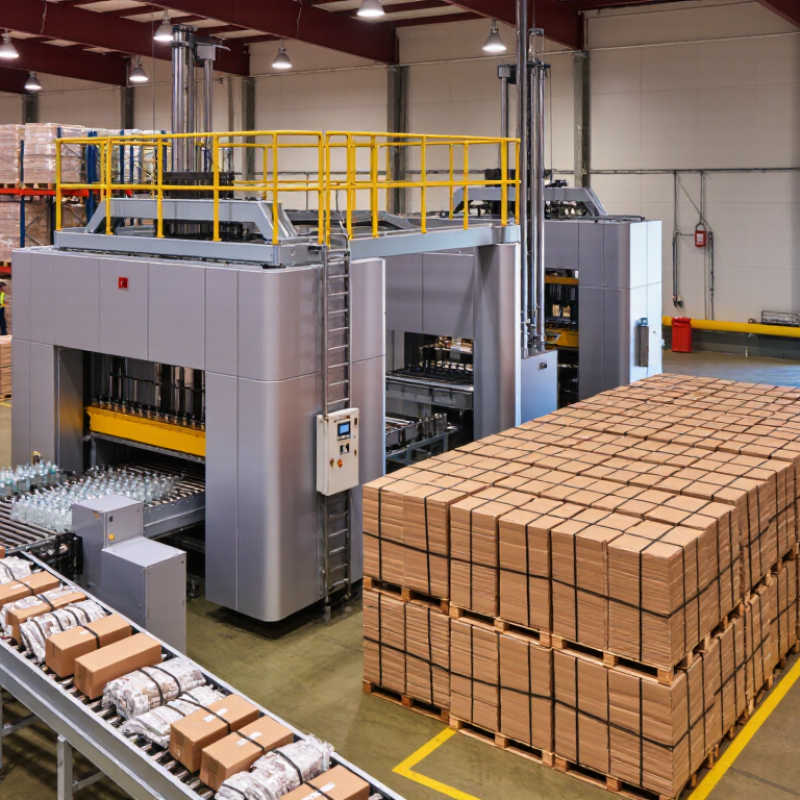
Why Choose a Recycling Baler Machine?

What a Recycling Baler Machine Is and How It Compresses Materials

A recycling baler machine is industrial equipment that compresses loose recyclable materials into compact bales. It commonly handles cardboard, paper, plastic film, textiles, and some light packaging waste. The operator loads materials through a feed opening or conveyor. Inside the chamber, a hydraulic ram pushes the material against a fixed wall. Pressure removes trapped air and reduces the material’s volume. The result is a denser, easier-to-handle bale.

The compression process depends on material type, moisture, and loading pattern. Cardboard usually forms firm blocks, while plastic film needs careful feeding to prevent stretching or uneven packing. Sensors can monitor the chamber and stop the ram when the selected pressure or bale size is reached. Ties, wire, or approved straps then hold the bale together. It is not a magic box. Poorly sorted loads still produce unstable bales.

In practical recycling facilities, operators check the chamber, hydraulic lines, and safety interlocks before use. They also remove loose material around the loading area. A clean chamber improves compression consistency. Overloading may strain the system and create irregular bales. Underloading wastes energy and storage space. These details seem minor, but daily handling often exposes weaknesses that a specification sheet misses. Regular inspections, clear training, and accurate material records support safer operation and more reliable bale quality.

Which Recyclables Can Be Baled: Paper, Cardboard, Plastics, and Metals

Why Choose a Recycling Baler Machine?

A recycling baler can turn loose recyclables into dense, manageable packages. This matters when a warehouse floor fills with cardboard quickly. The U.S. Environmental Protection Agency reported about 46 million tons of paper and paperboard were recycled in 2018. Dry cardboard and office paper usually bale well after removing food, liquids, and plastic liners. The result is easier handling, safer storage, and fewer collection trips.

Plastic recyclables require more careful sorting. PET bottles, HDPE containers, and clean plastic film can often be compacted separately. Mixed plastics should not be baled blindly. The OECD reported that only 9% of global plastic waste was recycled in 2019. Contamination and poor sorting remain serious obstacles. A baler cannot correct those problems. It only compresses what operators place inside it.

Metals also respond well to baling, especially aluminum cans and light-gauge steel containers. Dense metal bales reduce storage volume and support more efficient transport. However, wet loads, sealed containers, and sharp fragments require strict inspection. In daily operations, bale density should be checked against material type, moisture, and wire safety. Small mistakes happen. Reviewing them regularly improves consistency, even when the equipment appears simple.

How Balers Cut Material Volume by Up to 90% for Efficient Storage

Why Choose a Recycling Baler Machine?

How Balers Cut Material Volume by Up to 90% for Efficient Storage

A recycling baler compresses loose cardboard, paper, plastic film, or textile waste into dense, stackable bales. In practical operations, volume reductions can reach up to 90%, depending on the material and equipment settings. This creates clearer aisles and reduces the number of collection trips. It also makes storage safer and easier to organize.

The result is measurable. A full cart of loose cardboard may become one compact bale with consistent dimensions. Dry, clean material usually compresses better than damp or mixed waste. Bale density depends on pressure, chamber size, feeding habits, and tying method. Operators should check these factors instead of trusting the highest advertised figure. The first setup is rarely perfect. Small adjustments often improve bale shape and stability.

Tips: Keep materials as dry as possible. Remove unsuitable items before loading. Feed the chamber evenly, without forcing oversized pieces inside. Inspect hydraulic lines, doors, and safety controls regularly. Record bale weight and volume for several days. This data shows whether the machine is truly improving storage efficiency. A simple floor marking can also help operators compare loose material with finished bale space. One overlooked detail: unstable bales can waste space again. Practical training matters.

Why Recycling Facilities Use 60–1,500 kN Baling Press Forces

Why Choose a Recycling Baler Machine?

Recycling facilities handle cardboard, plastics, textiles, and metals with different densities. That is why baling presses commonly range from 60 to 1,500 kN. Lower forces suit clean cardboard and light packaging. Higher forces compress dense plastics, mixed materials, or metal scrap. The correct force depends on feedstock, moisture, bale size, and required throughput.

UNEP’s Global Waste Management Outlook 2024 estimates that municipal solid waste could rise from 2.1 billion tonnes in 2023 to 3.8 billion tonnes by 2050. More material requires better handling. The US EPA reported 292.4 million tons of municipal solid waste generated in 2018, with a recycling and composting rate of 32.1%. These figures explain the demand for compact, stackable bales. In daily operation, a firm bale saves floor space and reduces handling time. Still, maximum force is not always the best choice. Excessive compression can damage equipment or create unstable bales.

Tips: Match press force to actual material tests, not only supplier tables. Measure bale density, cycle time, motor load, and wire performance during a normal shift. A wet cardboard load may behave very differently from a dry one. Keep records for several weeks. Real facilities are rarely as consistent as spreadsheets suggest. Regular inspection of the chamber, guides, and hydraulic system also helps maintain predictable pressure and safer operation. Industry guidance from the Association of Plastic Recyclers stresses that contamination and material variability can strongly affect recycling quality, so force selection should support the whole process, not compression alone.

How Baler Machines Support the 32.1% U.S. Municipal Recycling Rate

Why Choose a Recycling Baler Machine?

The widely cited 32.1% U.S. municipal recycling rate shows progress, but it also reveals a stubborn gap. Recyclable material only retains value when it stays clean, sorted, and economical to transport. A recycling baler compresses loose cardboard, paper, plastics, or metal into stable, stackable bales. Less volume helps. This change can turn crowded floors into controlled storage areas while reducing unnecessary collection trips.

In daily municipal operations, consistency matters more than impressive machine speed. Operators can feed separated material, check moisture and contamination, then bind dense bales for shipment. Uniform bale sizes help forklifts, weighing systems, and downstream processors work with fewer interruptions. Baling is not magic. It does not create recycling markets or repair badly sorted material. However, it supports the chain after collection, where scattered loads and storage delays often increase costs. Better material handling can help communities protect recovered value and improve diversion performance over time.

The right machine depends on material type, daily volume, floor space, and staff training. A vertical unit may suit a small transfer station, while a high-throughput system may fit a larger facility. Safety interlocks, accessible controls, and routine inspections deserve equal attention. A common mistake is choosing equipment only by maximum pressure. Real performance may fall when moisture, contamination, or inconsistent feeding is ignored. The 32.1% rate should encourage honest review, not easy promises. Disciplined sorting and public participation still determine what gets recovered.