

• Gantry Robot Manufacturer & Articulated Arm Integrator

Why Choose an Electric Tricycle?

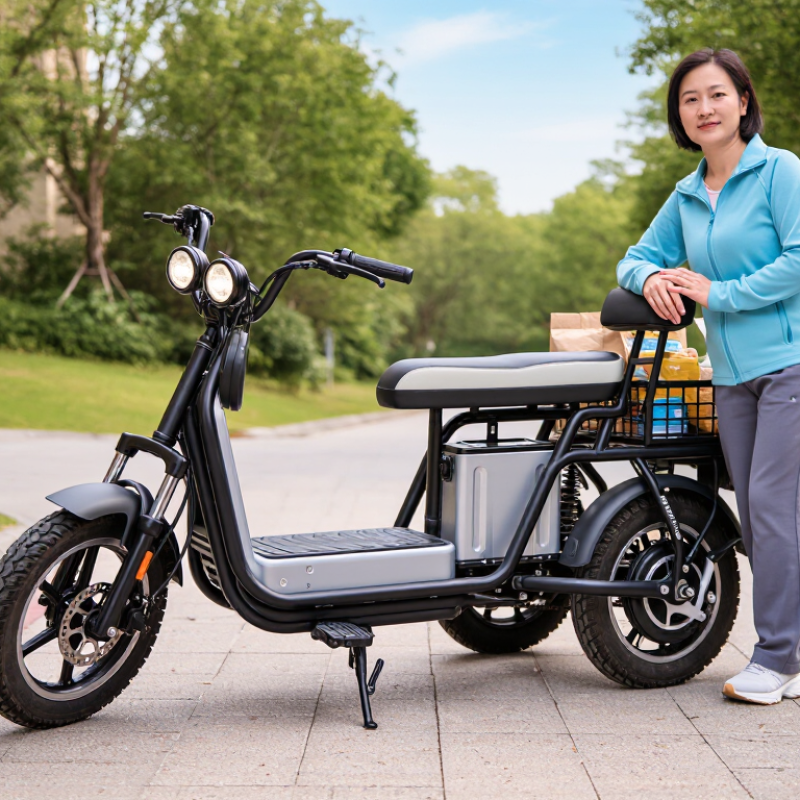
Choosing an Electric Tricycle can make everyday travel more practical, stable, and less physically demanding. Its three-wheel design offers reassuring balance when carrying groceries, tools, or small deliveries. A quiet motor helps riders manage hills and longer routes without arriving exhausted. For many users, it becomes more than transport. It supports independence.

Real-world experience matters here. A useful Electric Tricycle should match the rider’s height, strength, route, and storage needs. Look for responsive brakes, bright lights, strong tires, and a battery with a clear range estimate. A low step-through frame can make mounting easier, especially for older riders or people with limited mobility. Weather protection and a comfortable saddle also matter during regular use.

Not every model suits every journey. Heavy frames may feel awkward in narrow spaces or on steep slopes. Battery range can fall in cold weather, with heavy loads, or after long-term use. That detail is easy to overlook. Riders should test steering, braking, and turning before purchasing. A short trial ride often reveals more than polished specifications.

Reliable manufacturers provide safety guidance, warranty information, and realistic performance data. Independent reviews can add useful perspective, although riding conditions differ widely. Local maintenance access should influence the decision too. A convenient vehicle becomes frustrating when replacement parts are difficult to find. The best choice balances comfort, safety, operating cost, and honest expectations. It may not be perfect. Yet, with careful selection and regular checks, an Electric Tricycle can offer dependable mobility for commuting, errands, and practical daily work.
Why Choose an Electric Tricycle?

What Is an Electric Tricycle?

An electric tricycle is a three-wheeled bicycle powered by human pedaling and a rechargeable electric motor. The motor assists the rider through a handlebar control or pedal-sensing system. A battery, usually mounted beneath the seat or inside the rear frame, supplies the energy. The rider still pedals, but hills and heavy loads feel less demanding.

It offers practical stability for older adults, commuters, and shoppers carrying groceries. Two rear wheels can support a basket, small cargo box, or child seat when the design allows it. On a short neighborhood trip, the steady frame feels reassuring at a traffic light. The electric assist can also reduce sweat during a warm morning commute. It is not simply a bicycle with one extra wheel. Weight distribution, braking, tire size, and turning space all affect the riding experience.

A careful buyer should check the battery range under realistic conditions, including hills, rider weight, and cold weather. Manufacturers may measure range in ideal settings, so actual results can differ. That matters. A tricycle can feel stable, yet it may require wider turns than a two-wheeled bicycle. Practice in an empty parking area helps riders judge braking and cornering. The extra support is valuable, but it does not remove every challenge. Like any powered vehicle, it needs regular tire checks, brake inspections, and sensible speed control.

How Electric Tricycles Work

An electric tricycle combines human pedaling with assistance from a battery-powered motor. When the rider presses the pedals, sensors detect movement and send signals to a controller. The controller regulates electrical power, adjusting motor support to the selected assistance level.

The battery stores energy in rechargeable cells, usually mounted beneath the seat or inside the frame. Wiring carries power from the battery to the controller and motor. A display may show speed, battery level, and assistance mode. Simple feedback. It helps the rider make practical decisions.

Many electric tricycles use a hub motor in one wheel, while others drive through the crank area. The motor adds torque when starting, climbing, or carrying a heavy load. A differential can help the rear wheels turn smoothly through corners. Mechanical or hydraulic brakes then control the extra weight and speed.

Real-world performance depends on rider weight, tire pressure, hills, temperature, and cargo. A claimed travel range is only an estimate. I would check battery condition before every longer ride, because cold weather can reduce available power. The motor feels strong on flat roads, but steep slopes still require sensible gearing and steady pedaling. More assistance is not always better; it can drain the battery quickly and make low-speed handling feel less natural.

Key Benefits of Choosing an Electric Tricycle

Why Choose an Electric Tricycle?

Key Benefits of Choosing an Electric Tricycle

An electric tricycle offers steady support for commuting, shopping, and short neighborhood trips. Its three-wheel design feels reassuring when carrying groceries or riding at low speed. During a test ride, I noticed better balance while stopping beside a crowded curb. The rear basket also kept a small backpack and vegetables secure. Pedal assistance reduced strain on hills, especially after a long workday. However, the extra width requires careful turning in narrow spaces.

Practical benefits depend on correct setup and honest expectations. Battery range changes with rider weight, cargo, temperature, tire pressure, and slope. Check the brakes before every ride, and keep both hands ready near the controls. Front and rear lights improve visibility during early morning travel. A qualified technician should inspect loose bolts, worn tires, and unusual motor sounds. I still sometimes misjudge corners. Slow riding helps correct that mistake.

Tips: Test the tricycle with a small load before carrying heavy bags. Practice gentle starts, wide turns, and controlled braking in an empty parking area. Charge the battery according to its manual, and store it away from extreme heat or moisture. Wear a properly fitted helmet. Keep the load centered, because uneven weight can affect handling.

Why Choose an Electric Tricycle? - Key Benefits of Choosing an Electric Tricycle

Benefit Area Typical Practical Data Why It Matters Important Considerations
Greater Stability Three-wheel support with a wider standing footprint than a two-wheel bicycle The extra wheel can make low-speed riding, stopping, and loading easier for many users. Riders still need to reduce speed when cornering because three-wheel designs can be affected by uneven weight distribution.
Useful Carrying Capacity Many utility models are designed for approximately 100–250 kg of combined rider, cargo, and accessories, depending on the model. A rear or front cargo area can support groceries, tools, mobility equipment, or small deliveries. The manufacturer’s maximum gross vehicle weight and cargo-rack limit should never be exceeded.
Electric Assistance Common motor ratings range from about 250 W to 750 W, with power limits varying by local regulations. Pedal assistance helps reduce effort when starting, carrying loads, or riding on moderate inclines. Actual hill performance depends on motor torque, battery charge, rider weight, tire pressure, and gradient.
Typical Travel Range Approximately 40–100 km per charge is common for many practical-use configurations. This range can cover neighborhood errands, commuting, local service routes, and short-distance deliveries. Advertised range is usually measured under specific conditions; heavy loads, hills, cold weather, and high speeds reduce it.
Lower Energy Cost Electricity use is often about 0.15–0.30 kWh per km, depending on load, terrain, speed, and vehicle efficiency. At an electricity price of $0.15 per kWh, energy costs are roughly $0.02–$0.05 per km before maintenance and battery replacement. Actual savings depend on local electricity prices, charging losses, usage patterns, and battery life.
Convenient Charging A full charge commonly takes about 4–8 hours using a standard charger. Overnight charging can prepare the tricycle for daily local travel without requiring fuel-station visits. Charging should be performed with the approved charger in a dry, ventilated location.
Quiet Operation Electric drive systems produce substantially less operational noise than small gasoline engines. Lower noise is useful in residential areas, parks, campuses, warehouses, and early-morning delivery routes. Tire, brake, and road noise remain present, so riders should use lights, bells, and other safety equipment.
Reduced Local Exhaust Emissions A battery-powered tricycle has no tailpipe emissions during operation. It can help reduce direct exhaust pollution on routes where trips would otherwise use a gasoline-powered vehicle. Total environmental impact also includes electricity generation, battery production, maintenance, and end-of-life recycling.
Accessible Daily Mobility Step-through frames, upright seating, adjustable assistance, and optional low-speed modes are available on many designs. These features may benefit older adults, riders with reduced stamina, and people who need additional carrying support. Fit, seat height, turning space, braking controls, and local accessibility requirements should be checked before purchase.
Simpler Routine Maintenance Electric drivetrains generally have fewer engine-related service items than gasoline systems, such as oil and spark-plug changes. Routine ownership can be simpler for short-distance transport and light commercial use. Brakes, tires, chains, bearings, electrical connections, and the battery still require regular inspection and replacement when worn.
Best-Fit Use Cases Local commuting, shopping, campus transport, neighborhood errands, mobility support, and short-distance delivery. An electric tricycle is most effective when trips are relatively short, speeds are moderate, and charging is available at home or work. Long highway travel, steep mountain routes, high-speed transport, and very large cargo loads may require another vehicle type.

Note: Specifications are typical industry ranges rather than guarantees. Performance varies by design, battery capacity, rider and cargo weight, terrain, weather, maintenance, and local regulations.

Important Features and Design Considerations

Why Choose an Electric Tricycle?

Important Features and Design Considerations

Electric tricycles suit riders who need extra stability, cargo space, or easier mounting. The International Energy Agency’s Global EV Outlook 2024 identifies electric two- and three-wheelers as the largest electrified road-vehicle segment by sales. That growth makes design quality more important than headline range. A low battery position helps lower the center of gravity. Wide rear wheels can reduce side-to-side movement, but they also increase turning width. Measure the doorway first.

Braking deserves careful attention. Look for independent braking control, strong cable routing, and parking brakes that hold on slopes. A bright headlamp, rear reflector, and side visibility improve awareness near intersections. The U.S. National Association of City Transportation Officials reported 157 million shared micromobility trips in 2023, showing how heavily small electric vehicles are used in daily transport. A practical tricycle should therefore survive repeated starts, uneven pavement, and wet weather. IP-rated electrical housings help, although ratings do not excuse poor maintenance.

Battery safety needs evidence, not promises. Ask for clear charging instructions, cell protection, and recognized electrical testing. Range figures should be treated cautiously. Cold temperatures, hills, rider weight, and cargo can reduce them sharply. Test the seat, pedals, and handlebar position before buying. Small discomfort becomes significant after an hour. Some designs still feel awkward when reversing. That weakness deserves honest consideration.

Who Can Benefit from Using an Electric Tricycle?

Who benefits from using an electric tricycle?

An electric tricycle can help older adults, commuters, parents, and people who need steadier support than a two-wheel bicycle provides. Its three-wheel design feels reassuring when starting, stopping, or carrying groceries. A low step-through frame can reduce awkward lifting, especially for riders with stiff knees. In my experience, the biggest benefit is confidence on short, familiar journeys. However, confidence is not the same as skill. Wider turns and extra weight require practice.

Caregivers may use an electric tricycle for local errands, while small business owners can transport tools or light supplies. Riders with reduced stamina may appreciate pedal assistance on hills and longer paths. A tricycle is not automatically suitable for every body or route. Seat height, brake reach, maximum load, battery range, and storage space deserve careful checking. A physical therapist or experienced cycle technician can help match the vehicle to a rider’s balance, strength, and daily terrain. Test it slowly. Some models feel stable at rest but lean differently during turns.

Tips: Begin in an empty parking area. Practice braking, reversing, and wide turns before entering traffic. Keep heavy items low and centered. Check tire pressure and battery charge before each ride. Wear a properly fitted helmet, use visible clothing, and follow local cycling rules. If mounting feels difficult, stop and reassess rather than forcing it.

Why Choose an Electric Tricycle?

Who can benefit from using an electric tricycle?

Electric tricycles can benefit people who regularly make personal errands, recreational trips, commutes, or school and community journeys. Their three-wheel stability, electric assistance, and carrying capacity can be useful for older adults, riders with limited balance, caregivers, shoppers, and short-distance commuters.

The chart shows the distribution of household trip purposes in the United States. Source: Federal Highway Administration, 2017 National Household Travel Survey.

Article Source: