
• Gantry Robot Manufacturer & Articulated Arm Integrator

2026 Best Automated Storage and Retrieval System for Buyers?

Choosing the 2026 best automated storage and retrieval system requires more than comparing glossy product brochures. Buyers must examine throughput, storage density, software integration, safety controls, maintenance access, and long-term operating costs. A system that performs well in a new facility may struggle inside an older warehouse with uneven floors, narrow aisles, or limited ceiling height.

Real performance depends on daily details. Can operators retrieve a fast-moving carton during the busiest shift? Does the control software connect reliably with warehouse management systems? How quickly can technicians replace a sensor without stopping the entire operation? These questions reveal practical value better than impressive cycle-time claims. Site visits, customer references, and verified service records should support every serious purchasing decision.

There is no universal winner. That matters.

This guide evaluates leading solutions for different buyer priorities, including pallet storage, tote handling, spare parts, cold environments, and high-volume distribution. It considers installation complexity, energy use, worker training, cybersecurity, and expansion potential. Some figures may vary between facilities, and vendor data is not always measured under identical conditions. Buyers should request test results based on their own loads, order profiles, and peak-season demands.

The goal is a clearer decision, not a perfect ranking. An automated storage and retrieval system should fit the operation’s real constraints, budget, workforce, and growth plans. Careful verification remains essential, especially when projected savings look unusually high.
2026 Best Automated Storage and Retrieval System for Buyers?

What Is an Automated Storage and Retrieval System?

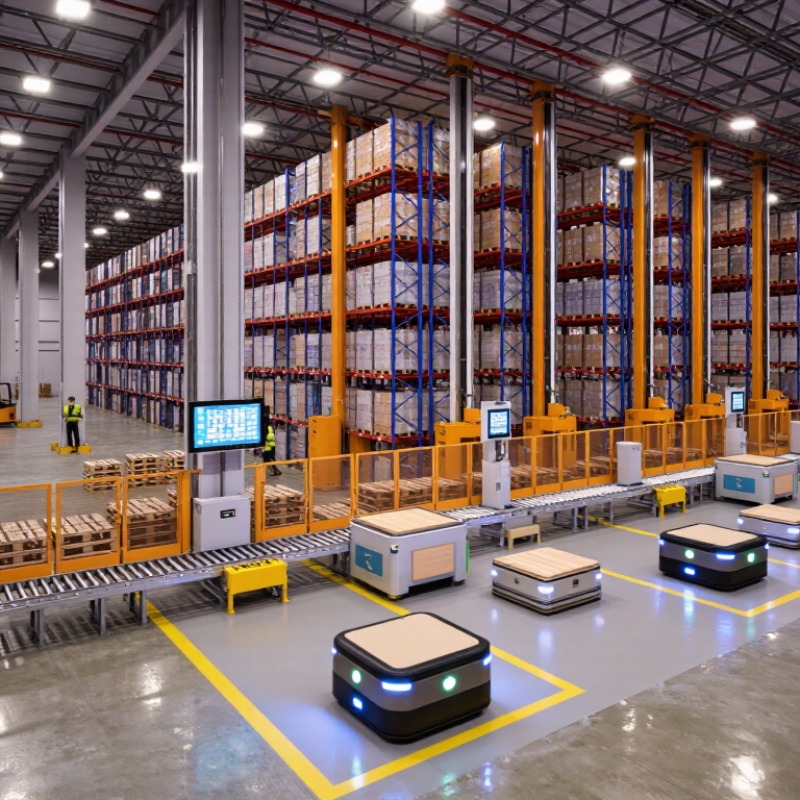
An automated storage and retrieval system, or ASRS, is a warehouse solution that stores and retrieves goods with limited manual handling. It combines storage racks, computer controls, conveyors, lifts, and automated vehicles. The system receives an inventory request, identifies the correct location, and moves the item to a designated workstation.

In a working warehouse, a tote may arrive at a picking station within minutes. Scanners confirm the item, while sensors monitor position, weight, and movement. Software records each transaction, helping workers trace stock changes and reduce search time. Different designs support pallets, cartons, bins, or small individual products. Choosing the right design depends on product size, order frequency, ceiling height, and required throughput.

That sounds simple. It is not.

Poorly measured demand can create expensive unused capacity. Fast equipment may also expose weak packing processes or inaccurate inventory data. A reliable evaluation should examine safety controls, maintenance access, emergency procedures, integration with existing software, and employee training. I have found that the most impressive speed figures often describe ideal conditions, not daily operations. Buyers should request practical performance data, including peak-period results, recovery time after faults, and accuracy records. A carefully matched ASRS can improve space usage and order consistency, but automation does not repair unclear processes by itself.

2026 Best Automated Storage and Retrieval System for Buyers? - What Is an Automated Storage and Retrieval System?

ASRS Type Typical Storage Unit Typical Load Range Typical System Height Indicative Throughput Best-Fit Applications Main Strength Important Limitation
Unit-Load ASRS Pallets or heavy-load platforms Approximately 500–1,500 kg per load About 6–30 m Approximately 30–150 pallet movements per hour per crane, depending on layout High-bay warehouses, manufacturing, food and beverage, and reserve pallet storage High storage density and efficient vertical utilization Requires compatible pallets, stable loads, and significant installation planning
Mini-Load ASRS Totes, cartons, trays, or small bins Approximately 5–300 kg per load About 5–25 m Approximately 60–600 tote or carton movements per hour per aisle, depending on configuration E-commerce, spare parts, pharmaceuticals, electronics, and order fulfillment Fast access to many small stock-keeping units Load dimensions and weight must remain within strict tolerances
Shuttle-Based ASRS Pallets, totes, or cartons placed in deep-lane channels Approximately 50–1,500 kg per load About 4–20 m Often 100–500 load movements per hour per system, depending on the number of shuttles High-volume storage, cold storage, buffer inventory, and batch handling Scalable capacity and strong performance for repetitive storage and retrieval Deep-lane storage can reduce direct access to individual loads
Vertical Lift Module Trays, shelves, bins, and small components Usually up to 500 kg per tray, subject to design About 2–20 m Approximately 20–150 transactions per hour per module Maintenance stores, tools, medical supplies, and high-value parts Compact footprint, controlled access, and ergonomic goods-to-person picking Less suitable for very high-volume pallet operations
Horizontal Carousel Bins, shelves, totes, and small cartons Approximately 10–250 kg per carrier or shelf Generally 2–4 m Approximately 100–400 picks per hour per operator, depending on product mix Small-parts fulfillment, apparel, records, and kitting operations Efficient goods-to-person picking in low- or medium-height facilities Requires space for carousel rotation and operator access
Vertical Carousel Shelves, trays, and hanging carriers Approximately 10–500 kg per carrier, depending on design About 2–10 m Approximately 60–200 transactions per hour per module Tools, spare parts, documents, and small inventory with limited floor space Uses vertical space while reducing walking and bending Carrier height and product dimensions can restrict storage flexibility
Autonomous Mobile Robot Storage Mobile racks, shelves, totes, or pallets Approximately 50–1,500 kg per mobile unit or load Usually 2–10 m, based on rack design Highly variable; commonly 100–500 movements per hour per operating zone Flexible fulfillment, seasonal operations, retrofits, and mixed-SKU storage Flexible deployment and easier expansion than fixed-aisle equipment Performance depends on traffic management, battery charging, and floor quality
Buyer’s Selection Guide: The most suitable ASRS depends on load unit, item dimensions, inventory turnover, required throughput, available building height, order profile, temperature conditions, integration requirements, and budget. Throughput figures are indicative planning ranges; actual performance varies with software, layout, load characteristics, operating hours, and the number of machines installed.

How AS/RS Technologies Differ for Various Warehouse Needs

Choosing the best automated storage and retrieval system in 2026 depends on warehouse conditions, not marketing claims. A high-bay crane system suits stable pallets, dense storage, and predictable movement. It needs strong floor accuracy and enough ceiling height. Shuttle systems handle many pallets efficiently, especially where storage lanes change frequently. However, they may require careful scheduling during peak periods.

Small-load warehouses need different technology. Mini-load systems serve cartons, totes, and individual items with precise robotic handling. Vertical lift modules save floor space and support controlled access for compact products. Goods-to-person systems can reduce walking, but their performance depends on accurate inventory data and well-designed workstations. Small loads need precision. Product size matters.

Warehouse managers should compare storage density, hourly throughput, SKU variety, load weight, and expansion plans. Temperature, dust, fire protection, and maintenance access also affect the decision. In real site assessments, I have seen companies choose faster equipment while ignoring replenishment delays. That mistake creates expensive congestion. A practical test should measure complete order cycles, including picking, software commands, exceptions, and manual intervention. No system is perfect. Even reliable automation can struggle when item dimensions vary or staff bypass scanning procedures. A phased installation, clear service training, and verified performance data often provide more confidence than an ambitious capacity estimate.

2026 Best Automated Storage and Retrieval System for Buyers?

How AS/RS technologies differ for various warehouse needs

The chart compares common AS/RS configurations using a practical 1–5 suitability scale. Unit-load systems are generally strongest for pallet storage and high throughput, mini-load systems suit carton and tote handling, shuttle systems provide flexible high-density storage, and vertical lift modules are well suited to small-item picking where floor space is limited. Actual performance depends on load size, order profile, building height, aisle design, software, and operating conditions.

Which Features Matter Most When Comparing AS/RS Solutions?

2026 Best Automated Storage and Retrieval System for Buyers?

When comparing AS/RS solutions, start with the work, not the machine. Measure daily order lines, peak-hour demand, item dimensions, and replenishment patterns. A system handling 2,000 small totes differs greatly from one moving heavy pallets. Throughput matters, but retrieval consistency matters more during a 4 p.m. shipping rush.

Look closely at storage density, picking accuracy, and software integration. The control system should exchange reliable data with your warehouse management software. Ask how it handles missing inventory, barcode errors, network interruptions, and urgent orders. Also inspect the user interface. A clear screen can reduce training time beside a noisy conveyor. Energy use, maintenance access, spare-part availability, and operator safety deserve equal attention. Cheap access is not always cheap ownership.

Run a realistic pilot.

Use real SKU sizes and imperfect orders. Our first capacity estimate was too optimistic because empty spaces were ignored. That mistake changed the equipment comparison. Buyers should request uptime records, recovery procedures, and measurable service targets. Scalability is useful, but only when extra modules can be added without rebuilding the entire workflow. A reliable AS/RS should support future growth while remaining understandable to the people who operate it every day.

How to Evaluate Costs, Capacity, Safety, and Scalability

2026 Best Automated Storage and Retrieval System for Buyers?

How to Evaluate Costs, Capacity, Safety, and Scalability

The best automated storage and retrieval system is not always the fastest one. Buyers should calculate total ownership costs, including installation, software, energy, maintenance, training, and future upgrades. Request a five-year cost model from each supplier. A low purchase price can hide expensive service requirements. It happens often.

Capacity starts with real inventory data. Measure SKU dimensions, weights, daily order lines, seasonal peaks, and replenishment patterns. Then test the system with actual containers, not ideal samples. A design holding 10,000 small items may struggle with irregular cartons. Keep unused space in the calculation. Growth needs room.

Safety deserves technical verification. Check access guarding, emergency stops, light curtains, load limits, fire protection, and maintenance access. Ask for risk assessments, inspection records, operator training, and documented safety procedures. Compliance claims should be supported by evidence. Do not accept vague promises.

Scalability should be tested against a five-year forecast. Can storage modules, workstations, lifts, or software licenses expand without shutting down operations? Review integration with inventory and order systems, recovery procedures, spare parts, and local technical support. Measure promised throughput during peak periods, not average hours. A simulation may look convincing, yet poor data can produce a confident mistake. Build a pilot plan with clear acceptance targets for accuracy, uptime, response time, and safe manual recovery.

How to Select the Best AS/RS Provider for a 2026 Project

2026 Best Automated Storage and Retrieval System for Buyers?

How to Select the Best AS/RS Provider for a 2026 Project

Selecting an AS/RS provider starts with your operation, not a glossy equipment brochure. Measure daily orders, peak waves, SKU sizes, weights, and replenishment patterns. Include future growth, but avoid paying for capacity that may never be used. A practical provider should study your floor plan, fire systems, ceiling height, and workflow before recommending equipment. Ask for tested throughput figures under conditions similar to yours.

Experience matters during integration. The provider must connect reliably with your warehouse management and control systems. Request clear interface responsibilities, cybersecurity practices, training plans, and commissioning milestones. Examine service response times, spare-parts availability, and technician coverage. Speak with current users about downtime, not just installation results. A spreadsheet may look convincing, yet one weak interface can delay every shipment.

Tips: Build a weighted comparison table. Score safety, capacity, energy use, integration, maintenance, and total ownership cost. Ask providers to demonstrate exception handling, such as a damaged tote or an unavailable location. Small failures reveal design quality. Confirm performance guarantees in writing, including acceptance tests and remedies. Be honest about uncertain forecasts; a flexible system may outperform a larger one. I have seen projects overdesigned for impressive peak numbers, while normal-day utilization stayed surprisingly low. That mistake deserves another review.