Top 5 Benefits of Automated Material Handling Systems?
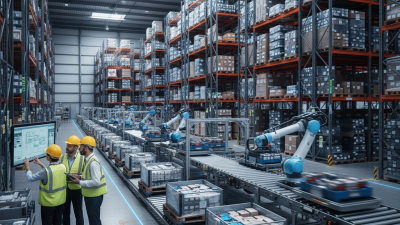
In today's fast-paced industrial landscape, businesses are increasingly turning to automated material handling systems. These systems streamline processes and improve efficiency in various sectors. From manufacturing plants to warehouses, the integration of automation is reshaping how materials are managed and moved.
Automated material handling enhances productivity by minimizing human error and reducing labor costs. However, introducing such systems requires careful planning and investment. Not every business is ready for a complete overhaul of their operations. Some companies struggle with adapting their workflows to incorporate new technologies.
While the benefits are significant, companies must also consider potential challenges. Employees may face retraining needs and job displacement concerns. Balancing automation with a skilled workforce is vital. An informed approach will lead to more successful implementation and achieve optimal results in the long term.
Understanding Automated Material Handling Systems
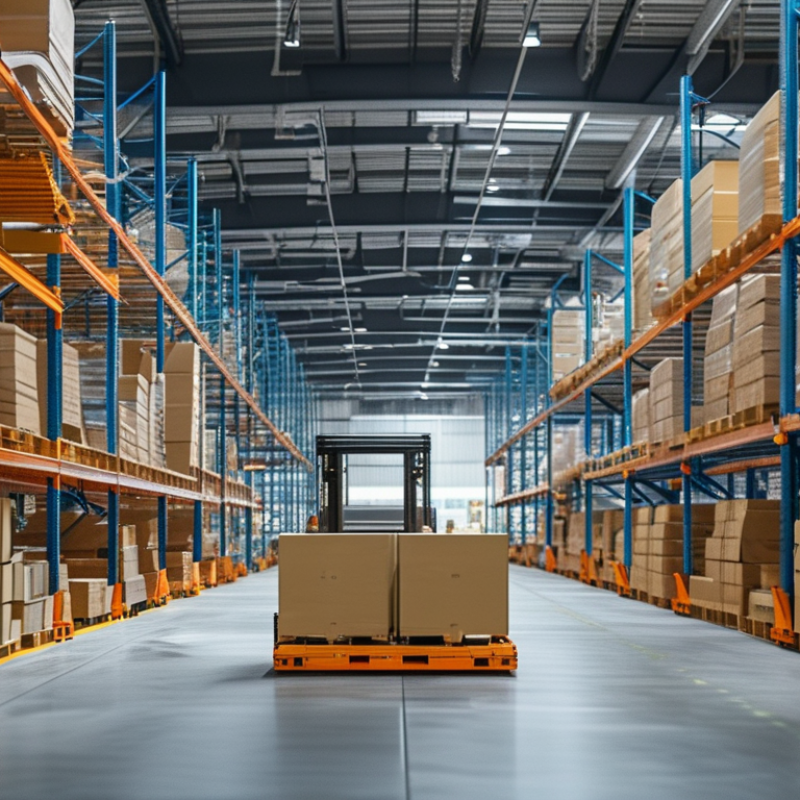
Automated Material Handling Systems (AMHS) are transforming industries with remarkable efficiency. These systems streamline processes and reduce human error. A recent industry report indicates that companies employing AMHS can enhance productivity by up to 30%. This is achieved by optimizing workflows and minimizing the time spent on manual tasks.
In warehouses and manufacturing plants, the use of robotics has increased significantly. According to a study, around 61% of companies plan to invest in automated solutions by 2024. This shift is not just about speed; it also involves safety and precision. Automated systems can handle heavy and hazardous materials better than human workers. However, there are challenges to consider. Implementing these technologies requires upfront costs and training for existing staff.
Moreover, reliance on automation can lead to vulnerabilities. If a system fails, operational downtime can become a significant issue. Various studies highlight that organizations should maintain a balance between automation and human oversight. As industries adapt, continued evaluation of these systems will be crucial for sustained success.
Increased Efficiency and Productivity through Automation
Automated material handling systems (AMHS) streamline operations in warehouses and manufacturing facilities. By reducing manual labor, these systems boost efficiency and productivity significantly.
Automation ensures materials move quickly and accurately, minimizing delays and errors.
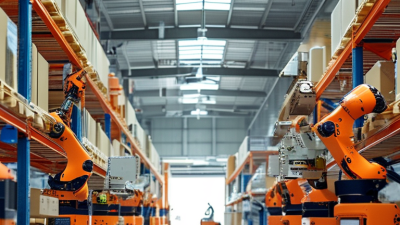
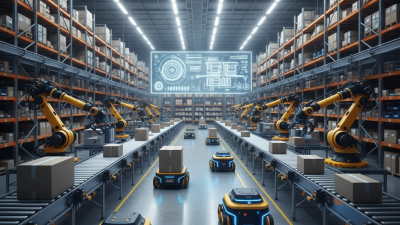
Investing in AMHS can transform workflows. For instance, robotic systems can transport items through a warehouse, improving speed. This helps staff focus on complex tasks rather than repetitive ones.
Over time, this leads to higher output and reduced operational costs.
When implementing AMHS, it's essential to consider integration with existing processes.
Evaluate how these systems can complement your current setup. Analyzing workflow bottlenecks is crucial.
Addressing these issues before implementing automation can yield better results. Training staff to work alongside automated systems is another vital factor.
Proper training enhances efficiency and builds confidence in using new technologies.
Regular assessments of the system's performance can identify areas needing improvement, ensuring continuous growth and adaptation.
Enhanced Safety Standards in Material Handling Operations
Automated material handling systems significantly enhance safety standards in various operations. According to the Occupational Safety and Health Administration (OSHA), workplace injuries cost companies over $1 billion annually. Implementing automation can reduce these incidents by minimizing human error, which is a leading cause of accidents. Automated systems streamline repetitive tasks, allowing workers to focus on more complex and less hazardous responsibilities.
In environments where heavy lifting is common, automated handling solutions reduce the risk of musculoskeletal injuries. A report by the National Safety Council states that ergonomic improvements can lead to a 30% drop in injury rates. Automated systems, like conveyor belts and robotic arms, help alleviate physical strain on employees. Workers can operate in a safer environment, leading to increased productivity and morale.
However, transitioning to automated systems requires careful planning. Some companies may face initial resistance from staff worried about job security. Education and training play crucial roles in easing this transition. It’s essential to address these concerns proactively. Safety standards should continuously evolve alongside technological advancements, ensuring that all employees feel valued and protected. Balancing automation with human oversight can yield the best safety outcomes.
Cost Reduction and Resource Optimization Benefits
Automated material handling systems have become essential in modern industries. One of the key advantages they offer is cost reduction. By minimizing manual intervention, companies can significantly lower labor costs. Automated systems also reduce the risk of errors, which can lead to expensive mistakes. It's not just about saving on wages; it's about creating a more efficient workflow.
Resource optimization is another crucial benefit. These systems streamline inventory management. They ensure that materials are stored effectively, reducing waste. With real-time tracking, companies gain better control over their resources. This data-driven approach can lead to smarter decisions and improved productivity.
In crafting an automated material handling strategy, consider assessing your current processes. Identify bottlenecks that may still exist. Constant evaluation is vital for optimizing operations. Additionally, invest in training for your team. A well-informed workforce can make the most of new technologies. Make small adjustments regularly, and aim for continuous improvement. The journey toward optimization is ongoing; embrace it.
Top 5 Benefits of Automated Material Handling Systems
| Benefit |
Description |
Estimated Cost Reduction (%) |
Resource Optimization |
| Reduced Labor Costs |
Automation leads to fewer manual labor requirements. |
20-30% |
Efficient workforce allocation. |
| Increased Efficiency |
Faster material handling and processing times. |
15-25% |
Streamlined operations. |
| Better Inventory Management |
Improved tracking and storage of materials. |
10-20% |
Optimal stock levels maintained. |
| Enhanced Safety |
Reduction of workplace accidents. |
5-15% |
Safer work environment. |
| Scalability |
Easily adapt to changing business needs. |
Varies |
Flexible resource allocation. |
Improved Inventory Management and Tracking Accuracy
Automated material handling systems have revolutionized inventory management. One of their standout benefits is enhanced tracking accuracy. These systems minimize human errors in counting and sorting. With precise algorithms, they improve the way stock levels are monitored. Reliable data leads to better decision-making.
However, adopting such technology can present challenges. Integrating new systems with existing processes may not be seamless. Staff may require training to adapt to the change. Yet, once operational, these systems provide real-time insights into inventory. Companies can retrieve information quickly, reducing delays and avoiding stockouts.
In terms of inventory management, automated systems also enhance visibility. Businesses can track items throughout the supply chain. This transparency fosters trust and collaboration among partners. Still, businesses should periodically review their systems. Identifying areas for improvement can ensure they continue to meet evolving needs.
Top 5 Benefits of Automated Material Handling Systems
This chart illustrates the top five benefits of automated material handling systems. Each benefit is rated from 1 to 10 based on its impact, demonstrating significant improvements in inventory management and tracking accuracy, along with other advantages.