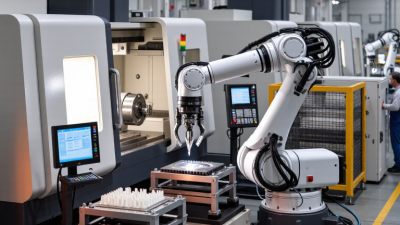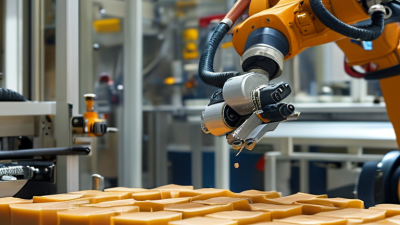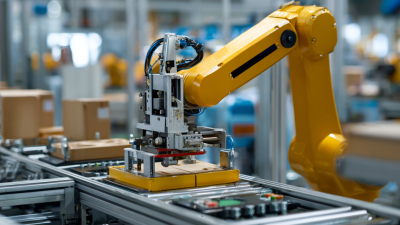

A machine tending robot loads and unloads machine tools, presses, or inspection stations. In a typical cell, it grips a metal blank, places it into a CNC machine, then removes the finished part. The sequence looks simple. Reliable operation is not. Gripper choice, machine access, cycle timing, and part variation all matter. A poorly planned setup can create new delays instead of reducing them.
Joe Campbell, a robotics applications expert formerly associated with Universal Robots, has highlighted machine tending as a practical application for collaborative robots. That perspective points to an important question: does the application suit the equipment, process, and people on the shop floor? A robot may help operators avoid repetitive loading and unloading, while supporting steadier production during long shifts. Yet results depend on careful integration, realistic cycle-time expectations, and appropriate safety measures. No shortcut here.
This overview examines why manufacturers choose a machine tending robot, what benefits they can reasonably expect, and which limitations deserve attention. It also considers programming, tooling, floor space, and the work required to keep a cell running. A robot is not an instant fix. Some tasks remain better suited to people, especially when parts change often or require delicate judgment. The practical choice begins with the actual process—not the promise of automation.
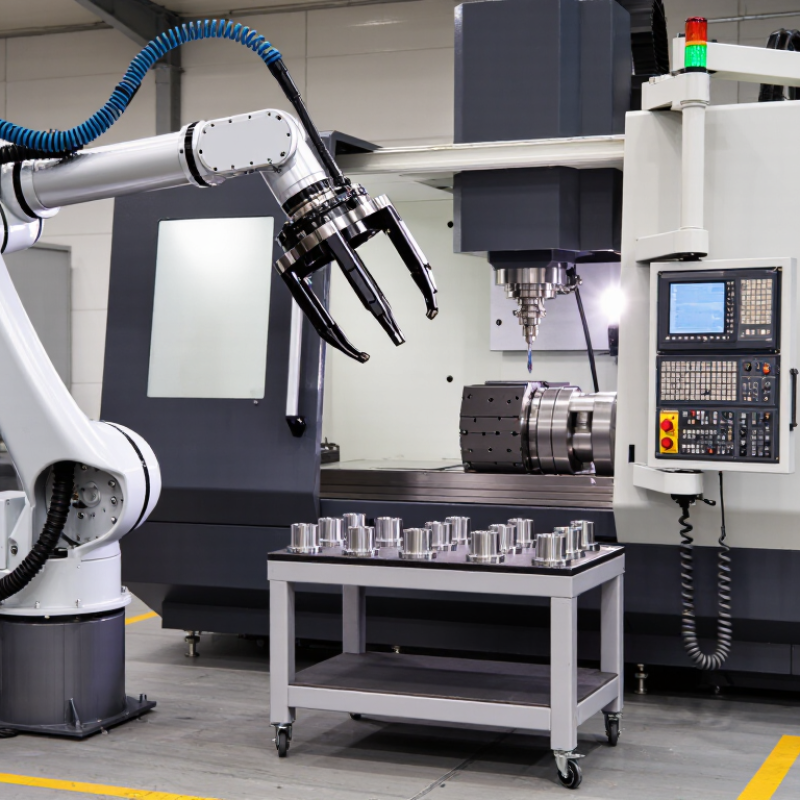
A machine tending robot is an industrial robot that loads parts into equipment and removes them when a process is complete. It commonly works with CNC machines, presses, or inspection stations. Think of a metal blank waiting in a tray beside a machine. The robot grips it, opens the machine door, places the part in the correct position, and starts the cycle. When machining ends, it removes the finished piece and places it in a designated area.
The robot is only one part of the setup. A gripper must match the part’s shape and weight, while sensors can check whether the part is present or properly seated. The cell may also need safety guarding and a clear arrangement for incoming and finished parts. Small placement errors matter. A crooked workpiece can interrupt production or affect machining quality. Not magic.
In practice, a machine tending system takes over repetitive handling so operators can focus on tasks such as setup, inspection, and process adjustments. Its usefulness depends on the machine, part variety, and production schedule; one layout rarely fits every job. The first arrangement may not be the best. Testing cycle timing and access during real shifts can reveal awkward handoffs that a tidy drawing misses.
A machine-tending robot moves parts between a storage area and a machine tool, such as a CNC mill or lathe. Its controller follows programmed positions and coordinates each move with the machine’s cycle signals. A gripper holds the workpiece; sensors can confirm that a part is present and properly seated. Small details matter. Part orientation, fixture clearance, and door timing all affect a reliable handoff.
Before operation, a technician defines safe travel paths, grip points, and the sequence for loading and unloading. The robot waits for a signal that the machine is ready, opens or enters the work area, removes the finished part, and places the next one in the fixture. It then clears the enclosure and signals the machine to resume cutting. Interlocks and guarded work areas help keep people separated from moving equipment.
The first cycle may look smooth, yet small shifts in raw stock can reveal weak assumptions. A slightly different grip or a crowded tray may cause misalignment. Test with real parts, check repeatability, and adjust the setup before routine production. Not every task suits automation. Complex parts or frequent changeovers may require extra setup time, and human oversight remains important when conditions change.
A machine-tending robot can load raw blanks into a CNC machine, remove finished parts, and repeat the cycle with consistent timing. In a typical cell, the robot opens the machine door, places a part in the chuck, and waits for the machining cycle to finish. That matters. It can reduce routine handling and keep a machine supplied during unattended periods, when the process and safety setup allow it.
The biggest benefit is often more productive use of skilled workers. Instead of repeatedly lifting parts and pressing cycle buttons, an operator can check tool wear, inspect dimensions, or prepare the next batch. A steady robot cycle may also make output easier to plan. Still, results depend on the details: part variation, gripper design, machine access, and how quickly chips or swarf collect around the work area.
A robot is not an instant fix. A poorly planned cell can move delays elsewhere, such as to part loading or inspection. Begin by recording actual cycle times and noting where operators wait or handle parts. Test the gripper with real components, including oily or awkward blanks. Small issues matter. A slightly misaligned part, for example, may interrupt production until someone resets the cell. Regular checks of fixtures, sensors, and grippers help maintain reliable operation.
| Benefit | Operational impact | Illustrative measure | Important consideration |
|---|---|---|---|
| More productive machine time | A robot can load and unload parts consistently, reducing the time a machine waits for manual tending. | Example: If a 60-second cycle includes 15 seconds of manual tending and automation reduces that interval to 5 seconds, the theoretical cycle becomes 50 seconds—up to 20% more cycles per hour, if other constraints remain unchanged. | The actual gain depends on machine cycle time, robot motion, part handling, and whether tending is the production bottleneck. |
| Reduced repetitive handling | Automated loading and unloading can reduce repeated bending, reaching, and handling of parts near the machine. | Example: At one part per 60-second cycle, a machine running for 8 hours completes up to 480 cycles. A robot performing each load and unload could take on those 480 tending sequences. | People are still needed for tasks such as setup, inspection, replenishment, troubleshooting, and maintenance. |
| More consistent part placement | Programmed robot motions provide repeatable handling paths, which can help make loading and unloading more consistent. | Track loading errors, misloads, scrap, and rework before and after installation using the same definitions and production mix. | Robot repeatability alone does not guarantee part accuracy; fixtures, grippers, machine condition, and process settings also matter. |
| Extended or unattended operation | With suitable part supply, fault handling, and safety measures, a machine may continue running during periods when an operator is not stationed at it. | Measure productive machine hours per shift and the number of stops that require operator attention. | Unattended running is appropriate only when the complete cell can safely manage foreseeable faults, material limits, and process risks. |
| Flexible production support | Reprogrammable robot paths and interchangeable tooling can support different parts or machine-tending tasks. | Compare changeover time, tooling requirements, and validated programs across the planned part families. | Flexibility depends on part variation, gripper design, fixturing, programming effort, and the required changeover frequency. |
| Potential labor-cost improvement | Automation can shift staff time from repetitive tending to higher-value activities, or support a different staffing pattern. | Estimate annual value using: labor hours redeployed × loaded hourly cost, plus verified contribution from additional saleable output, minus annual operating costs. | A robot does not automatically eliminate a position or deliver a positive return. Include integration, tooling, maintenance, and downtime costs. |
| Improved process visibility | Robot and machine signals can help record cycle status, faults, and production counts for analysis. | Review cycle time, availability, stop causes, parts produced, and scrap rate over comparable production periods. | Useful reporting requires reliable sensors, clear event definitions, and consistent data collection. |
Note: The numerical cycle example is illustrative, not a guaranteed performance claim. Actual results depend on the machine, parts, cell design, production mix, and safety requirements.
Machine tending robots are well suited to metal fabrication, automotive production, plastics processing, and electronics assembly. Typical tasks include loading raw parts into CNC machines, removing finished components, and tending injection-molding equipment. A robot can place a metal blank against a fixture, close the machine door, and wait through a predictable cycle. Small parts matter. Consistent positioning can reduce handling variation, though the result depends on gripper design and accurate setup. These systems are most practical when parts, cycle times, and machine interfaces stay reasonably consistent.
Some jobs are repetitive. That is useful. In a busy workshop, a robot may tend several machines while operators inspect parts, change tools, or manage material flow. Before installation, teams should check cycle time, reach, payload, guarding, and how the machine signals that it is ready. Safe access for maintenance matters too. A cell that runs well on paper may become awkward when an operator needs to clear a jam or change a fixture. This part is easy to underestimate. Not every cell suits automation; frequent product changes or delicate, irregular parts may need more flexible handling and careful testing.
Why Choose a Machine Tending Robot?
Factors to Consider When Choosing a Machine Tending Robot
Choosing a machine tending robot starts with the machine, not the robot. Check the machine’s door opening, control signals, cycle time, and available floor space. A robot may have enough reach on paper but still struggle around a fixture or open door. Measure the actual path. A tape measure helps, though it cannot show every cable or chip tray in the way.
Consider the parts and how often they change. Small, consistent components may need a simple gripper; mixed shapes can require adjustable fingers or quick tool changes. Note part weight, surface finish, and how parts arrive. A slick casting behaves differently from a dry, flat plate. Test the grip with real parts if possible. It sounds obvious, but this step is easy to rush.
Also assess safety, integration, and maintenance. The robot must work with guards, sensors, and the machine’s existing controls, with clear access for operators. Ask who will troubleshoot it and how long routine changeovers take. A system that saves cycle time but needs a specialist for every adjustment may not fit the shop. Honestly, the best choice is not always the fastest robot; the bottleneck may be loading, inspection, or material delivery. Check the whole process before setting performance targets.
Factors to Consider When Choosing a Machine Tending Robot
The 1–5 scores are an illustrative planning example, not industry benchmarks. Assess each factor against your parts, machine, production targets, workspace, and safety requirements before selecting a robot.