
• Gantry Robot Manufacturer & Articulated Arm Integrator

Top 10 Automated Storage and Retrieval Systems in China

China’s warehouses are changing fast. E-commerce growth, tighter delivery windows, and labor constraints are pushing operators to rethink storage and picking. An automated storage and retrieval system (AS/RS) can move goods between compact racks and workstations with less manual travel. Yet speed alone is not enough. Throughput, load type, building height, software integration, and maintenance access all shape whether a system fits.

The scale of automation is clear. The International Federation of Robotics reported 276,288 industrial robots installed in China in 2023, representing 51% of global installations. This figure does not measure warehouse AS/RS adoption directly, but it signals the country’s deepening investment in automation. MHI’s 2024 Annual Industry Report also identifies robotics and automation as a major area of planned supply-chain technology adoption. Plans are not deployments, though. That distinction matters.

The underlying warehouse challenge is well established. In their peer-reviewed review of warehouse operations, researchers J. Gu, M. Goetschalckx, and L. F. McGinnis wrote, “Warehousing is an important component of every logistics system.” Their work reminds readers that equipment choices sit within a wider operating system. A shuttle may look impressive on a showroom floor. In a live facility, uneven order profiles or awkward carton sizes can expose its limits. The following ten systems offer a practical view of China’s AS/RS landscape, not a universal ranking. Exact performance claims deserve scrutiny; published figures may rely on different test conditions.
Top 10 Automated Storage and Retrieval Systems in China

Automated Storage and Retrieval Systems: Definition and Core Components

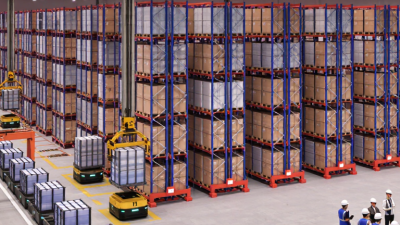
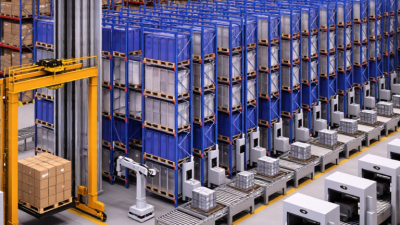
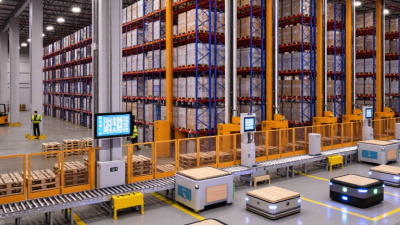
Automated Storage and Retrieval Systems (AS/RS) use controlled equipment to place and retrieve inventory with limited manual handling. A typical installation combines high-density racks, storage and retrieval machines, conveyors or shuttles, and load carriers such as pallets or totes. Software coordinates the work: a warehouse management system assigns inventory locations, while a warehouse control system directs equipment movements. Sensors, scanners, and safety interlocks help confirm that loads are positioned correctly. Small errors matter. A misread tote can interrupt an entire aisle.

MHI’s 2024 Annual Industry Report found that 55% of surveyed supply-chain professionals planned to increase investment in supply-chain technology and innovation. This is not an AS/RS adoption rate, but it shows why automation decisions deserve careful evaluation. Before selecting a system, operators should compare item dimensions, peak order volume, storage density, and retrieval speed. They should also check how the equipment integrates with existing software and how quickly staff can clear a jam. One limitation is easy to overlook: forecasts rarely capture every unusual product or seasonal surge.

Tips: Test real loads, not ideal samples. Check retrieval time during peak demand, and keep a clear manual recovery procedure. A little friction remains; plan for it.

How AS/RS Technologies Operate in Chinese Warehouses

In a Chinese warehouse, an automated storage and retrieval system moves goods between receiving, storage, and picking zones. At the dock, staff scan a carton label and confirm its size and destination. The warehouse management system assigns a storage location, while the control system sends movement instructions to cranes, shuttles, or lifts.

Small errors matter.

A stacker crane travels along a narrow aisle, raises a load, and places it in a rack slot. Shuttle systems can move totes or pallets across dense storage lanes. When an order arrives, the system retrieves the required unit and sends it to a picking station, where a worker checks the item and quantity. The automation reduces walking, but it does not remove the need for careful exception handling.

Performance depends on accurate inventory data, stable labels, and well-planned traffic flows. Operators inspect sensors, rails, and safety barriers, and they keep a manual recovery process ready for faults.

A dusty label can delay a tote. That detail is easy to underestimate.

During commissioning, teams should test peak-hour order patterns, not just ideal movements. A layout may look efficient on paper and still create queues near the packing area.

Criteria for Comparing AS/RS Solutions in China

Comparing automated storage and retrieval systems in China should begin with the warehouse’s actual order profile, not a headline capacity figure. Record SKU count, peak lines per hour, item dimensions, load weights, and seasonal changes. A carton operation needs different retrieval logic from a facility handling full pallets. Measure the peak.

Storage density matters, but so does access speed. Check aisle width, building height, floor capacity, and the space needed for conveyors and maintenance. Consider local temperature and humidity, especially where goods or equipment need stable conditions. Ask how the system handles a blocked location or a failed sensor. A fast machine is less useful if recovery takes hours.

Compare software integration, energy use, spare parts, training, and service response times alongside purchase and installation costs. Request a simulation using representative order data, then test it against a busy shift and a system interruption. A common planning mistake is treating average throughput as a safe target; peaks can expose bottlenecks. No spreadsheet captures every disruption. Allow room for operational learning, and document the assumptions behind each comparison.

Top 10 Automated Storage and Retrieval Systems in China

Top 10 Automated Storage and Retrieval Systems in China

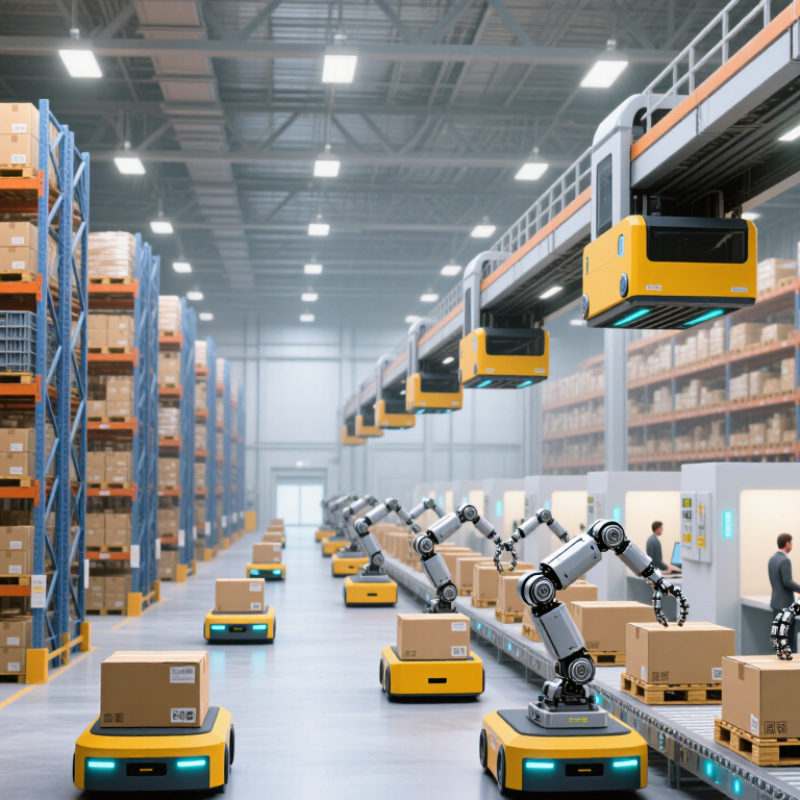
China’s automated storage market serves busy factories, distribution centers, and e-commerce operations. A practical top ten compares system types rather than brand claims: pallet stacker-crane systems, high-bay unit-load systems, mini-load cranes, pallet shuttles, four-way shuttles, tote shuttles, autonomous mobile robot storage, robotic bin systems, vertical lift modules, and vertical carousels. These options differ in capacity, speed, and layout needs. Pallet cranes handle dense pallet storage. Tote shuttles support small-item picking. Mobile robots can offer flexible routes, but they need clear traffic rules. Some systems fit poorly.

Selection should begin with real inventory data, order profiles, and building dimensions. Compare storage density, retrieval time, peak throughput, energy use, and maintenance access. Check how the system connects with warehouse software and existing conveyors. Measure the real flow. Then test peak days. A site visit can reveal practical details, such as aisle clearance, replenishment delays, or noisy transfer points. Even a careful assessment may miss seasonal changes, so leave room for adjustment. A ranked list is only a starting point; the right configuration depends on the operation, not its headline position.

Industries and Warehouse Needs Served by AS/RS

Automated storage and retrieval systems serve warehouses where space, accuracy, or order speed creates daily pressure. Manufacturers use pallet systems to hold components near production lines and retrieve them when scheduled. A compact buffer can reduce forklift traffic, though layout must match actual production rhythms. Space is tight. If demand changes often, fixed storage rules may become a constraint rather than a benefit.

Retail and e-commerce operations use AS/RS to manage many small orders, seasonal peaks, and frequent stock movement. Mini-load systems can retrieve totes of apparel, electronics, or household goods, while pallet systems suit bulk inventory. Cold stores benefit too. Automated movement can limit how long workers spend in chilled areas, but equipment and storage design must withstand low temperatures. Food warehouses may need gentle handling for cases with varied sizes.

Pharmaceutical and medical-supply facilities value controlled access and traceable inventory, alongside clear procedures for exceptions. Spare-parts warehouses face another challenge: a tiny component may be urgently needed, even if it moves slowly. AS/RS can make such stock easier to locate, but only when item data stays accurate. It is not a magic fix. Poorly planned replenishment, awkward packaging, or unreliable demand forecasts can still cause delays.