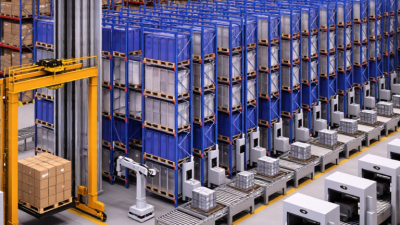
Why Choose an ASRS Racking System for Your Warehouse?
Warehouse space can disappear faster than expected. A few extra pallet rows may block travel paths, while slow picking leaves orders waiting near the dock. An asrs racking system combines high-density storage with automated equipment that moves loads between storage locations and picking points. Depending on the design, it may use cranes, shuttles, or lifts. The right configuration depends on the goods, throughput, building dimensions, and operating priorities.
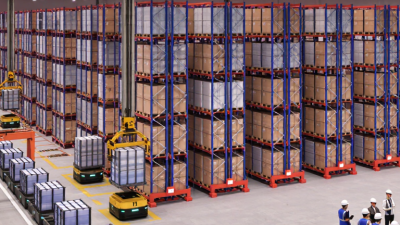
The practical appeal is easy to picture. In a tall warehouse, a storage crane can retrieve a pallet from an upper level without requiring a worker to drive a forklift down a narrow aisle. This can make better use of vertical space and support more consistent inventory handling. It may also reduce routine travel and improve access to stock records when integrated with warehouse software. Results vary, though. A system designed around peak demand can be underused during quieter periods.
There is a catch. An ASRS requires careful planning, reliable maintenance, and staff training. Teams should assess load sizes, order patterns, fire protection, and the time needed to recover from equipment interruptions. A site visit and a detailed workflow review are more useful than choosing equipment from a headline capacity figure. Even a strong design can miss real-world details, such as awkward pallet conditions or seasonal product changes. That is worth questioning early. This guide explains the main reasons to consider an ASRS racking system, along with the trade-offs warehouse teams should weigh before investing.
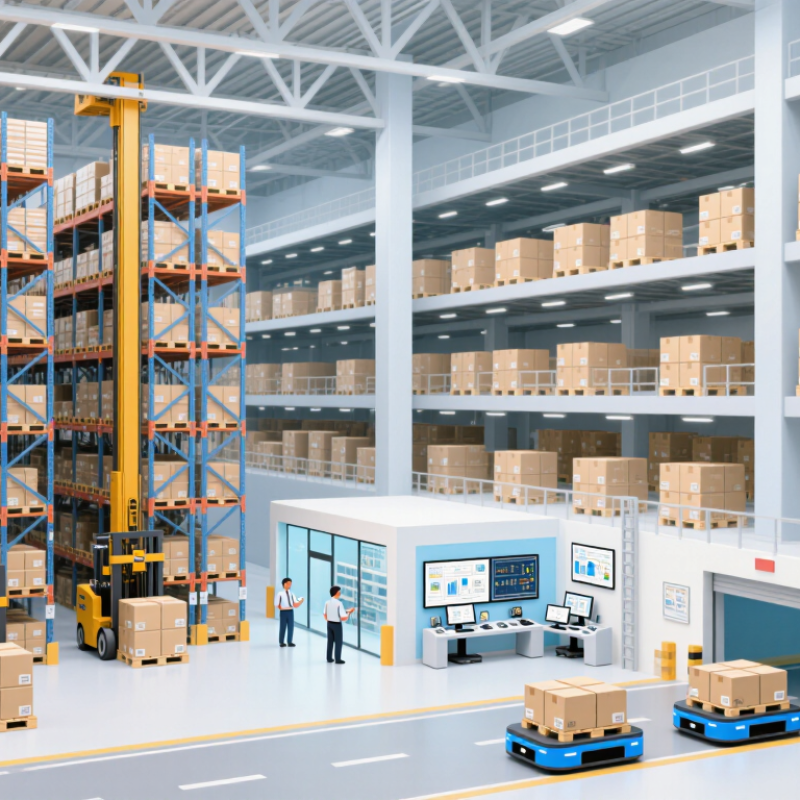
What Is an ASRS Racking System?
An ASRS racking system is a warehouse storage arrangement where machines place and retrieve goods from high-density racks. ASRS stands for Automated Storage and Retrieval System. Depending on the design, equipment may include cranes, shuttles, lifts, or conveyors. A warehouse control system helps direct movements and track inventory locations.
In a typical pallet system, a crane travels along an aisle, lifts a pallet, and stores it in a selected rack position. Smaller systems may move totes or cartons instead. Sensors and software help coordinate each task, while workers usually load or collect items at designated stations. A misplaced barcode can still cause trouble. Automation does not erase every human error.
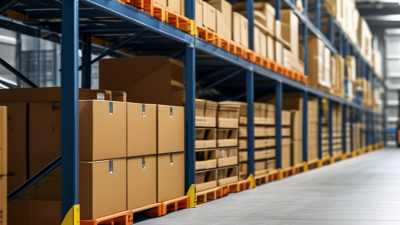
The right layout depends on the goods, building height, order patterns, and required throughput. Pallet dimensions, floor conditions, and access for maintenance also matter. A system designed for uniform loads may struggle with irregular packaging. That trade-off deserves scrutiny. Before choosing a design, warehouse teams should compare expected demand with practical constraints, including downtime procedures and staff training.
How Does an ASRS Racking System Operate?
An ASRS racking system links storage racks with automated equipment and warehouse software. When an order arrives, the control system identifies the required item and its location. Sensors, barcode readers, or other tracking tools help confirm the load before movement begins.
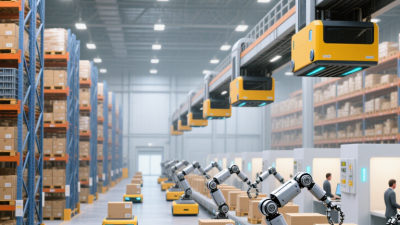
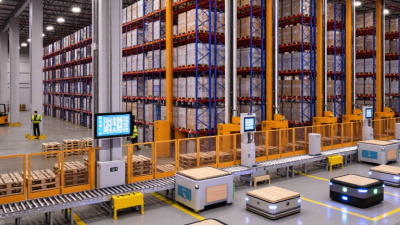
A crane, shuttle, or lift carries the pallet or tote through the rack structure. Conveyors may transfer it between storage aisles and a picking station. The system checks position and movement as equipment travels, then records the item’s new status. At the station, an operator can pick the requested quantity, or another automated process can handle the next step. Not quite a hands-free process.
The cycle also works in reverse. Staff or inbound equipment present a load, the software assigns an available location, and a machine stores it. Actual workflows depend on the building layout, load dimensions, and control software. A bent carton or unreadable label may trigger an exception and require human attention. That pause matters. Before installation, teams should test how the system handles unusual loads, maintenance stops, and software interruptions—not only the ideal cycle.
What Benefits Does It Offer to Warehouse Operations?
An ASRS racking system can use warehouse height that conventional forklifts may not reach efficiently. In a high-bay facility, compact storage lanes can free floor space for packing, staging, or future growth. That matters. A crane or shuttle retrieves the requested load and delivers it to a picking station, reducing long walks between aisles. Operators can spend more time handling orders and less time searching for pallets.
The system also records each storage and retrieval move, which can improve inventory visibility and reduce misplaced goods. Consistent, controlled movements may lower some handling damage and keep people away from busy equipment zones. But automation is not a cure-all. It works best when load dimensions, order patterns, and peak demand are understood before design begins. A warehouse with irregular items or frequent layout changes may need a different approach. Maintenance planning matters, too: a stalled crane can interrupt access to many stored loads. Review real order data, allow for service access, and test the workflow with the people who will use it daily. Their feedback often reveals small problems on paper.
Why Choose an AS/RS Racking System?
High-density AS/RS designs are commonly reported to reduce the floor space needed for storage by around 40–60% compared with conventional storage layouts. Actual results depend on building height, inventory mix, and system design. This is an industry-reported range, not a guaranteed outcome.
Which Warehouses Are Best Suited to ASRS Racking?
ASRS racking is best suited to warehouses that need dense storage, repeatable handling, and dependable inventory control. It works particularly well where floor space is tight but vertical clearance is available. In a distribution building, pallets can move through fixed lanes while operators avoid long forklift trips.
Short pauses matter.
Facilities with steady order patterns and many pallet positions often gain the most. A cold-storage warehouse may also benefit because fewer manual trips can reduce time spent in low temperatures. High-volume manufacturers can use ASRS to feed production lines with predictable material movements.
The system still needs accurate load data and disciplined stock records; automation cannot correct poor inputs.
The building must support the required rack height, floor loading, and equipment layout. A site review should check column spacing, fire protection, access for maintenance, and expected peak demand.
Not every warehouse needs it. Seasonal businesses with irregular inventory may find simpler racking more practical, even if storage density is lower. That trade-off deserves an honest review before installation.